Yorktown Health Vernon Hills
chronic.jpeg

How often you should check your blood sugar depends on the type of diabetes you have and the medicines you take. People with type 1 diabetes usually check 4 to 10 times a day. People with type 2 diabetes who take insulin may check several times daily. If you manage diabetes with diet alone, you might not need to check every day.

This guide will help you understand when to check, what the numbers mean, and how to create a testing plan that works for you.

Why Blood Sugar Checking Matters

Checking your blood sugar is like checking the gas gauge in your car. It tells you where you are right now and helps you make smart choices about what to do next.

The Centers for Disease Control and Prevention considers regular blood sugar testing the most important action you can take in managing type 1 and type 2 diabetes. When you check regularly, you learn how food, exercise, stress, and medicine affect your numbers.

Here’s what regular checking helps you do:

Track how well your diabetes plan is working. Checking shows if your medicine doses are right or need changes.

Catch problems early. You can spot high or low blood sugar before it becomes serious.

Make better food choices. You’ll see which foods make your sugar spike and which keep it steady.

Stay safe during exercise. Testing before and after helps prevent dangerous lows.

Understand your patterns. Morning numbers, after-meal numbers, and bedtime numbers all tell a story about your body.

How Often to Check Based on Your Diabetes Type

Type 1 Diabetes Testing Schedule

If you have type 1 diabetes, your healthcare professional may suggest a continuous glucose monitor or blood sugar testing 4 to 10 times a day. Your pancreas doesn’t make insulin anymore, so your blood sugar can change quickly.

You’ll need to check:

  • Before every meal and snack
  • Before, during, and after exercise
  • Before you go to bed
  • Sometimes in the middle of the night
  • After treating low blood sugar
  • More often when you’re sick
  • More often if you change your routine or start new medicine

Think of it this way: every time you eat or move, your blood sugar responds. Checking helps you stay one step ahead.

Type 2 Diabetes Testing Schedule

If you take insulin to manage type 2 diabetes, your healthcare professional might recommend a continuous glucose monitor or blood sugar testing several times a day. The exact number of times depends on the type and amount of insulin you use.

Your testing schedule depends on your treatment:

If you take insulin: Check before meals and at bedtime. If you take insulin more than once a day, you may need to check 3 to 6 times daily. The American Diabetes Association recommends that most people using intensive insulin regimens assess glucose concentrations prior to meals and snacks, at bedtime, prior to exercise, when they suspect low blood sugar, after treating low blood sugar until they are normal, and prior to performing critical tasks such as driving.

If you take other diabetes pills: Your doctor will tell you how often to check. Some people check once a day, others check a few times a week.

If you manage with diet and exercise only: You might not need daily checks. Your doctor may ask you to check a few times a week to make sure your plan is working.

Prediabetes Monitoring

If you have prediabetes, higher-than-normal blood sugar levels, you should get your blood sugar checked annually. Your doctor may also suggest checking at home sometimes to see how food affects your numbers.

Gestational Diabetes Testing

If you have gestational diabetes, you will need to check your blood sugar levels a few times a day for the rest of your pregnancy. Most women check four times daily: once in the morning before eating and after each meal.

Your diabetes team will give you exact times and target numbers. This helps keep both you and your baby healthy during pregnancy.

Best Times of Day to Check Blood Sugar

Timing matters just as much as frequency. Different times give different information about how your body handles sugar.

Fasting Blood Sugar (Morning Check)

Testing before you’ve had anything to eat or drink in the morning, also known as a fasting blood sugar, can let you know how well your body manages blood sugar while you sleep. This is usually your first check of the day, right after you wake up.

A good fasting number for most people with diabetes is 80 to 130 mg/dL. Your target might be different, so ask your doctor what’s right for you.

Before Meals

Checking before you eat helps you decide if you need extra insulin or if you should wait before eating. When testing in pairs (pre-meal and post-meal), a pre-meal reading can act as a reference for how the food you eat and any pre-meal medications affect your glucose levels.

Pre-meal targets are usually 80 to 130 mg/dL for most adults with diabetes.

After Meals

Check your blood sugar 2 hours after you start eating. This shows how your body handled that meal. Two hours after the start of a meal, blood sugar should be less than 180 mg/dL.

If your after-meal numbers are often high, you might need to:

  • Eat smaller portions
  • Choose foods with less carbs
  • Add more protein or healthy fats
  • Adjust your medicine with your doctor’s help

Before Bed

Bedtime checks help you stay safe while sleeping. If your blood sugar is too low at bedtime, you could have problems during the night. If it’s too high, you might wake up with a high number.

Most people aim for 100 to 140 mg/dL at bedtime, but your target may be different.

During the Night

For people with newly diagnosed type 1 diabetes, those at risk for severe hypoglycemia, or those who have other medical needs, testing during the night may be advised. Common times to test at night are right before bed, 2 hours after you fall asleep and at 3:00 a.m.

Keep juice or glucose tablets by your bed in case you need to treat low blood sugar quickly.

Before and After Exercise

Since exercise often lowers blood sugar, it is important to check your blood sugar before a workout and to have a snack if blood sugar is below your target to help prevent hypoglycemia.

Physical activity can drop your sugar quickly or make it rise, depending on what you do and how long you do it. Check before you start and again after you finish.

Understanding Your Blood Sugar Numbers

Knowing your numbers is half the battle. Understanding what they mean is the other half.

Normal Blood Sugar Ranges

Normal fasting blood glucose levels range between 70 and 100 mg/dL. Blood sugar targets vary for each person depending on several factors, such as whether you have diabetes.

For people without diabetes:

  • Fasting (morning): 70 to 99 mg/dL
  • After eating: Under 140 mg/dL

Target Ranges for Diabetes

A blood sugar target is the range you try to reach as much as possible. Before a meal: 80 to 130 mg/dL. Two hours after the start of a meal: less than 180 mg/dL.

Your personal targets depend on:

  • How long you’ve had diabetes
  • Your age
  • Other health problems you have
  • If you’re pregnant
  • How often you have low blood sugar

Prediabetes Range

A blood sugar of 100 mg/dL or higher is considered abnormal. A range of 100-125 mg/dL falls under the category of prediabetes. If your fasting blood sugar falls in this range, work with your doctor to prevent type 2 diabetes.

When Blood Sugar Is Too Low

For most people with diabetes, hypoglycemia is when your blood sugar level is below 70 milligrams per deciliter or 3.9 millimoles per liter. Low blood sugar needs quick treatment.

Signs your blood sugar is low:

  • Shaking or trembling
  • Sweating
  • Fast heartbeat
  • Feeling hungry suddenly
  • Feeling dizzy or confused
  • Feeling cranky or anxious

If your blood sugar drops below 70 mg/dL, follow the 15-15 rule: Eat or drink 15 grams of fast-acting carbs to raise your blood sugar. After 15 minutes, check your blood sugar. If it’s still below 70 mg/dL, have another 15 grams of fast-acting carbs. Repeat until your blood sugar is at least 70 mg/dL.

Fast-acting carbs include:

  • 4 glucose tablets
  • Half a cup of juice
  • Half a cup of regular soda (not diet)
  • 1 tablespoon of honey or sugar

When Blood Sugar Is Too High

Blood sugar over 180 mg/dL after meals is too high for most people. If you’re sick and your blood sugar is 240 mg/dL or above, use an over-the-counter ketone test kit to check for ketones. High ketones can be dangerous and need immediate medical care.

Signs your blood sugar is high:

  • Feeling very thirsty
  • Needing to pee more often
  • Feeling tired
  • Having blurry vision
  • Getting headaches

Two Ways to Check Blood Sugar

You have two main options for checking your blood sugar at home.

Blood Sugar Meters (Finger Stick Method)

The most common type of blood sugar monitoring involves using a glucose meter and test strips. This is a “finger stick check.” You prick your fingertip with a small needle called a lancet to produce a blood drop.

Here’s how to do a finger stick test:

  1. Wash your hands with soap and warm water. Dry them completely.
  2. Put a test strip in your meter.
  3. Use the lancet to prick the side of your fingertip.
  4. Squeeze gently to get a drop of blood.
  5. Touch the test strip to the blood drop.
  6. Wait a few seconds for your number to appear.
  7. Write down your result with the date and time.

Tips for easier testing:

  • Prick the side of your finger, not the pad. It hurts less.
  • Rotate which fingers you use to avoid sore spots.
  • Hold your hand down to help blood flow to your fingers.
  • Keep your meter and strips at room temperature.

Continuous Glucose Monitors (CGMs)

Continuous glucose monitors measure blood sugar every few minutes. They use a device placed on the skin along with a sensor placed under the skin. These disposable sensors last for 10 days to two weeks before they need to be changed.

CGMs have several benefits:

  • No finger sticks (or very few)
  • See your sugar levels 24/7
  • Get alerts when your sugar goes too high or low
  • See how fast your sugar is rising or falling
  • Review patterns over days or weeks

Most people with type 1 and type 2 diabetes should aim for a time in range of at least 70 percent of readings, meaning 70 percent of readings, you should aim for roughly 17 out of 24 hours each day to be in range (not high or low).

CGMs work great for people who:

  • Take insulin multiple times daily
  • Have trouble feeling when blood sugar goes low
  • Want to see trends and patterns
  • Are pregnant with diabetes
  • Have type 1 diabetes

When to Check More Often

Sometimes you need to check your blood sugar more than usual.

When You’re Sick

Illness makes blood sugar harder to control. Even a cold can make your numbers jump. Check at least 4 times a day when you’re sick, or as often as your doctor suggests.

When Starting New Medicine

New diabetes medicine can change your blood sugar in unexpected ways. Check more often for the first few weeks to see how the new medicine affects you.

When Changing Your Routine

Travel, new work schedules, or big life changes can throw off your diabetes control. Extra checks help you stay safe during these times.

Before Driving

People using intensive insulin regimens should assess glucose concentrations prior to performing critical tasks such as driving. Low blood sugar while driving is dangerous. Always check if you feel off before getting behind the wheel.

During Pregnancy

Pregnancy changes how your body uses insulin. Women with diabetes often need to check 4 to 8 times daily during pregnancy to keep both mom and baby healthy.

Creating Your Personal Testing Schedule

Your testing schedule should fit your life and your diabetes type. Here’s a simple way to start if you don’t have a schedule yet.

If you don’t have a schedule yet, try starting out by checking 2 times a day in the following pattern: Day 1: Before breakfast and 2 hours after starting breakfast. Day 2: Before lunch and 2 hours after starting lunch. Day 3: Before dinner and 2 hours after starting dinner. Repeat this pattern for 1 month.

This rotation helps you see patterns at different times without checking constantly. After a month, bring your meter to your doctor appointment. Together, you can look at your numbers and adjust your plan.

Questions to ask your doctor:

  • What are my personal target ranges?
  • How many times should I check each day?
  • What times are most important for me?
  • When should I call if my numbers are off?
  • Do I need a CGM instead of finger sticks?

Keeping Track of Your Results

Writing down your blood sugar numbers helps you and your doctor see patterns. Many meters save your results and connect to your phone or computer.

What to record:

  • Date and time
  • Blood sugar number
  • What you ate
  • If you exercised
  • Any medicine you took
  • How you felt

You might notice patterns like:

  • Your morning numbers are always high
  • Certain foods make your sugar spike
  • Exercise drops your sugar too much
  • Stress makes your numbers go up

Share these patterns with your doctor. Together, you can make a plan to handle them.

Managing Your Diabetes at Yorktown Health

Living with diabetes means regular checkups with a healthcare team that knows you well. At Yorktown Health, we provide comprehensive diabetes management services for families in Vernon Hills.

Our team helps you:

  • Set personal blood sugar targets
  • Learn when and how to check
  • Understand your numbers
  • Adjust medicines as needed
  • Manage diabetes during pregnancy

We also offer annual physicals for adults and chronic disease management to keep your diabetes in control and prevent problems.

Tools and Tips for Easier Testing

Making blood sugar checking easier helps you stick with it.

Keep supplies in multiple places: Have a meter and strips in your car, at work, and in your purse or backpack. You’re more likely to check if supplies are handy.

Set reminders: Use your phone to remind you when to check. After a while, it becomes a habit.

Track patterns, not perfection: Don’t get upset about every high or low number. Look for patterns over days and weeks instead.

Join a support group: Talking with others who check their blood sugar daily can give you new tips and keep you motivated.

Update your testing plan: As your life changes, your testing needs change too. Review your plan with your doctor every few months.

Common Questions About Blood Sugar Checking

Do I need to check if I feel fine?

Yes. You can’t always feel when blood sugar is too high or too low, especially if you’ve had diabetes for a long time. Regular checking catches problems before you feel symptoms.

Can I check too often?

Not really, but checking more than needed can be expensive and stressful. Work with your doctor to find the right balance for you.

What if I can’t afford enough test strips?

Talk to your doctor. They might prescribe a different testing schedule that uses fewer strips. Some insurance plans cover more strips if your doctor explains why you need them. Programs through diabetes organizations sometimes help with costs too.

Should I check before or after exercise?

Both. Check before to make sure you’re safe to start. Check after to see how the activity affected you. Over time, you’ll learn your patterns.

What if my meter and lab results don’t match?

Home meters can be off by 10 to 15 percent. Lab tests are more accurate. If your meter seems way off, bring it to your next appointment. Your doctor can test it against lab equipment.

Special Situations That Affect Testing

Alcohol and Blood Sugar

Drinking alcohol can drop your blood sugar hours later, even after you go to bed. If you drink, check your blood sugar before bed and possibly during the night.

Stress and Blood Sugar

Stress hormones can make blood sugar rise. If you’re going through a stressful time, you might need to check more often and adjust your medicine.

Hormones and Blood Sugar

Women may notice blood sugar changes during their monthly cycle. Checking more often during this time helps you see patterns and plan ahead.

Working With Your Healthcare Team

Your doctor, diabetes educator, and dietitian all play a role in your diabetes care. Regular visits help you:

Review your blood sugar records together. Your team can spot patterns you might miss and suggest changes to improve your numbers.

Adjust medicines safely. Never change your diabetes medicine on your own. Work with your doctor to find the right doses.

Learn new skills. Diabetes management keeps changing. New tools, medicines, and strategies come out all the time. Your team keeps you up to date.

Get emotional support. Living with diabetes is hard sometimes. Your healthcare team understands and can connect you with resources that help.

Schedule checkups at least every 3 months if your diabetes is well controlled. You might need more frequent visits if you’re starting new medicine or having trouble with your numbers.

Technology That Helps

Smart meters: Many meters now connect to phone apps. The apps show graphs and trends, making patterns easier to see.

CGM systems: With insurance coverage of continuous glucose monitors improving and with Medicare covering CGMs for anyone who uses an insulin pump, injects insulin multiple times a day, or checks their blood glucose at least four times a day, there will likely be more and more people who begin to use them.

Insulin pumps with CGMs: Some systems connect your insulin pump directly to your CGM. The pump can adjust insulin automatically based on your blood sugar.

Telehealth visits: Many doctors now offer video appointments. You can share your blood sugar data electronically and get help without leaving home.

Final Thoughts

Checking your blood sugar is one of the most important things you can do to stay healthy with diabetes. How often you check depends on your diabetes type, your medicines, and your personal health goals.

Most people with type 1 diabetes check 4 to 10 times daily. People with type 2 diabetes who take insulin check several times a day. If you manage diabetes without insulin, you might check less often.

The right testing schedule is one you can stick with. It should give you the information you need without taking over your whole day. Work with your doctor to create a plan that fits your life.

Remember, every check gives you valuable information. Your blood sugar numbers help you make better choices about food, exercise, and medicine. Over time, regular checking helps prevent serious problems like heart disease, kidney damage, and vision loss.

If you need help managing your diabetes or want to learn more about blood sugar testing, schedule an appointment at Yorktown Health. Our team provides personalized care that works with your schedule and your life. We’re here to support you every step of the way.

Is-Internal-Medicine-the-Same-as-Primary-Care.jpg

Most kids need shots like DTaP, chickenpox, HPV and Flu shot if it’s in the season, to go to school. The exact vaccines depend on your child’s age and what grade they’re starting. Schools need these shots to keep all kids safe from serious diseases. 

Getting your child ready for school means more than buying new backpacks and pencils. You also need to make sure they have all their shots. These vaccines protect your child and everyone around them from diseases that can make people very sick. Let’s look at exactly which shots your child needs and when they need to get them.

Why Schools Ask for Vaccines

Schools need kids to have their shots for a good reason. When most kids are vaccinated, diseases can’t spread easily. This helps protect everyone, even babies who are too young for shots and kids who can’t get vaccines because of health problems.

From 2019 to 2024, vaccination rates in kindergartens dropped from 95% to below 93%, which worries doctors because it means more kids could get sick. Think of vaccines like a shield that protects the whole classroom, not just one child.

What Happens Without Vaccines

In 2025, there has been over 1,300 measles cases in the United States, with 92% of cases happening in people who weren’t vaccinated. This shows what can happen when kids miss their shots. Diseases like measles spread fast in schools where kids sit close together, share supplies, and play together.

Before vaccines became common, thousands of children died each year from diseases we can now prevent. About 4 million deaths worldwide are prevented by childhood vaccination every year. That’s millions of families who don’t have to lose a child to a disease that can be stopped with a simple shot.

Required Vaccines for Starting School

Most states ask for the same basic vaccines, but some states have extra requirements. Here’s what almost every school needs:

DTaP or Tdap Vaccine

This vaccine protects against three diseases at once: diphtheria, tetanus, and pertussis (whooping cough). Kids need several doses as they grow.

For kindergarten: Your child needs 4 to 5 doses of DTaP. The last shot should be given after their fourth birthday.

For middle school: Kids entering sixth grade need one Tdap booster shot. This refreshes their protection since the earlier shots wear off over time.

Whooping cough is especially dangerous for babies. When older kids get their Tdap shot, they help protect little brothers, sisters, and babies in their community.

Vaccines by Age and Grade

Different ages need different shots. Here’s a simple guide to help you know what to expect.

Birth to 2 Years Old

This is when kids get most of their vaccines. It might seem like a lot, but babies need early protection because their immune systems are still learning to fight germs.

Shots babies get:

  • Hepatitis B (3 doses)
  • Rotavirus (2 or 3 doses, depending on the brand)
  • DTaP (3 doses in the first year, then boosters)
  • Hib (protects against a type of bacteria)
  • Pneumococcal (protects against pneumonia and other infections)
  • Polio (first doses)
  • Flu shot (starts at 6 months old)

Babies often get multiple shots at one visit. Studies show that getting multiple vaccines at the same time is safe. It actually helps because it means fewer doctor visits and faster protection.

Ages 4 to 6 (Kindergarten Shots)

The shots for kids between ages 4-6 are often called “kindergarten vaccines” because kids must be up to date to start elementary school.

What kids need before kindergarten:

  • DTaP booster (5th dose)
  • Polio booster (4th dose)
  • MMR (2nd dose)
  • Varicella (2nd dose)

This is also a good time to catch up on any shots your child missed when they were younger. Your doctor can create a catch-up schedule if needed.

Ages 11 to 12 (Middle School Shots)

Preteens need new vaccines and boosters because some childhood vaccines don’t last forever.

Required for middle school:

Tdap booster: Refreshes protection against tetanus, diphtheria, and whooping cough. Even though kids got DTaP shots as babies, they need this booster because protection fades.

Meningococcal vaccine (MenACWY): This vaccine protects against meningococcal bacteria that often cause meningitis and affect adolescents. Teens are at higher risk because they spend time in close spaces like classrooms, dorms, and buses.

HPV vaccine: This protects against viruses that cause several types of cancer later in life. HPV vaccination is recommended at ages 11-12 and can be started at age 9. Kids who start the vaccine before age 15 only need 2 doses instead of 3.

Ages 16 and Up

Second meningococcal shot: Teens need a booster dose of MenACWY at age 16. The second dose should be given on or after the 16th birthday, at least eight weeks after the first dose.

Some states also ask for a meningitis B vaccine (MenB) for high school or college students. Check with your school about what they require.

State Requirements Can Vary

While most vaccines are required everywhere, each state has its own rules. Some states ask for extra shots.

Examples of State Differences

Illinois requirements: Kids in Illinois need all the standard vaccines plus hepatitis B for kindergarten and a meningococcal vaccine starting in sixth grade.

California requirements: California requires polio, DTaP, hepatitis B, MMR, and varicella vaccines for school entry. They also ask for two doses of hepatitis A.

Other variations: Some states require extra shots for things like hepatitis A or have different rules about how many doses kids need.

The best way to know exactly what your state needs is to check with your child’s school or your local health department. You can also visit your state health department website.

Yearly Vaccines Your Child Needs

Some vaccines aren’t just one-and-done. Kids need them every year to stay protected.

Flu Shot (Influenza Vaccine)

The flu vaccine is recommended yearly starting at 6 months of age and continuing throughout childhood and adolescence. The flu virus changes every year, so last year’s shot won’t protect against this year’s flu.

Why it matters: Young kids can get very sick from the flu. Some end up in the hospital. The flu shot helps prevent this and stops kids from spreading flu to others.

When to get it: Fall is the best time, before flu season starts. But getting it later is better than not getting it at all.

First-time flu shot: When children receive their first flu vaccination, they need two doses given at least one month apart. After that first year, they only need one shot each fall.

COVID-19 Vaccine

COVID-19 vaccines are available as a yearly immunization for children 6 months old and older. While not all schools require this vaccine yet, many doctors recommend it because COVID-19 can make children sick.

Young kids, especially those under 5, can get seriously ill from COVID-19. The vaccine helps prevent severe sickness and keeps kids in school instead of home sick.

What If Your Child Missed Vaccines? 

Life gets busy. Sometimes kids miss appointments or fall behind on their shots. Don’t worry – you can catch up.

Catch-Up Schedules

Doctors have special schedules for kids who missed vaccines. These schedules make sure kids get protected as quickly as possible without getting too many shots at once.

How it works: Your doctor will look at which vaccines your child already got. Then they’ll make a plan to fill in the gaps. Sometimes your child can get two or three vaccines at the same visit to catch up faster.

Starting Late

Some kids don’t get any vaccines when they’re babies. They can still get vaccinated later. The schedule is just different. Older kids might need fewer doses of some vaccines than babies do.

If your child is starting school and hasn’t had vaccines, talk to your doctor right away. They can help you get everything done before school starts.

Medical and Religious Exemptions

Most kids need vaccines for school, but there are some exceptions.

Medical Exemptions

Some children can’t get certain vaccines because of health problems. For example, a child with a very weak immune system might not be able to get live vaccines like MMR.

All states allow exemptions from school vaccination requirements for medical reasons. You’ll need a doctor’s note explaining why your child can’t get a specific vaccine.

Religious Exemptions

Most states (47 including D.C.) allow exemptions for religious or personal beliefs. Only four states – California, Connecticut, Maine, and New York – only allow medical exemptions.

Important to know: The share of children claiming an exemption rose to 3.6% in the 2024-2025 school year, the highest rate to date. When more kids don’t get vaccinated, diseases can spread more easily in schools.

If your child has an exemption, they may be excluded from class during an active outbreak of an illness like measles. This protects them and other students.

Preparing for Your Child’s Vaccines

Shots can be scary for kids. Here’s how to make it easier:

Before the Appointment

  • Talk honestly with your child about what will happen
  • Explain that shots keep them healthy and safe
  • Let older kids ask questions
  • Don’t say it won’t hurt – be truthful but positive
  • Bring a favorite toy or comfort item

During the Shots

  • Stay calm yourself – kids pick up on parent anxiety
  • Hold younger children on your lap
  • Distract them with songs, stories, or videos
  • Take deep breaths together
  • Praise them for being brave

After the Appointment

  • Give lots of hugs and praise
  • Watch for side effects (usually mild like soreness or low fever)
  • Use a cool cloth on the injection site if it’s sore
  • Give pain medicine if your doctor says it’s okay
  • Plan something fun after, like going to the park

Common Vaccine Side Effects

Most kids feel fine after vaccines. Some have minor side effects that go away quickly.

Normal Reactions

  • Soreness, redness, or swelling where the shot was given
  • Low fever (under 101°F)
  • Fussiness or tiredness
  • Mild rash

These symptoms usually start within a day and go away in 1-2 days. They show the body is building protection.

When to Call the Doctor

Call your doctor if your child has:

  • Fever over 104°F
  • Behavior changes that worry you
  • Severe allergic reaction (very rare)
  • Symptoms that last more than 2 days

Serious problems from vaccines are extremely rare. The diseases vaccines prevent are much more dangerous than the side effects.

Cost and Where to Get Vaccines

Many families worry about the cost of vaccines. The good news is that most kids can get them for free or cheap.

Insurance Coverage

Most health insurance plans cover all recommended childhood vaccines at no cost to you. This includes private insurance, Medicaid, and CHIP (Children’s Health Insurance Program).

Free and Low-Cost Options

Vaccines for Children (VFC) Program: This federal program provides free vaccines to kids who:

  • Don’t have insurance
  • Are on Medicaid
  • Are American Indian or Alaska Native
  • Have insurance that doesn’t cover vaccines

Where to go:

  • Your child’s regular doctor
  • Local health department clinics
  • Federally Qualified Health Centers
  • Some pharmacies (for older kids and teens)

At Yorktown Health in Vernon Hills, we provide immunizations for both children and adults. Our caring team makes sure your child feels comfortable and gets all the shots they need. We also help you keep track of what vaccines are due next.

Keeping Track of Vaccine Records

You’ll need proof of your child’s vaccines for school. Keep good records to make life easier.

What to Save

  • The official vaccine record card you got at the hospital
  • Copies of all vaccine records from doctor visits
  • School health forms with vaccine dates
  • Digital copies or photos of all records

Lost Records

If you lose your child’s vaccine records, don’t panic. You can:

  • Call your child’s doctor for a copy
  • Check with your state immunization registry
  • Get a blood test to check immunity for some diseases

Many states now have computerized registries that keep track of all vaccines given. Your doctor can print a copy from this system.

Apps and Digital Tracking

Some health systems have apps where you can see your child’s vaccine history. Many parents also take photos of vaccine records and save them in the cloud so they always have a backup.

Vaccines and School Physicals

Most schools need a physical exam along with vaccine records. It’s smart to do both at the same appointment.

School Physical Checklist

When you go for your child’s school physical, the doctor will:

  • Check height, weight, and blood pressure
  • Look at eyes, ears, and throat
  • Listen to heart and lungs
  • Check for any health problems
  • Review vaccine records
  • Give any missing shots

Schedule this appointment in the summer before school starts. This gives you time to get any extra shots or forms needed.

Sports Physicals

If your child plays school sports, they need a sports physical. This is similar to a regular school physical but focuses more on the heart, lungs, and muscles. Many schools accept a sports physical in place of a regular school physical.

Special Vaccine Situations

Some kids need extra or different vaccines based on their health or life situation.

Kids with Chronic Health Problems

Children with conditions like asthma, diabetes, or heart disease might need extra vaccines. For example:

  • Pneumococcal vaccine (additional doses)
  • Flu shot (especially important)
  • Hepatitis A (recommended even if not required)

Talk to your doctor about what your child needs.

Travel Outside the U.S.

Babies as young as 6 months old can get vaccines early if they’re traveling to places where certain diseases are common. This includes MMR for measles, hepatitis A, and sometimes others.

Premature Babies

Babies born early should get vaccines based on their actual age, not their due date. They need the protection just as much as full-term babies, maybe even more.

Talking to Your Doctor About Vaccines

Your child’s doctor is your best source of vaccine information. Don’t be afraid to ask questions.

Good Questions to Ask

  • Which vaccines does my child need today?
  • What diseases do these vaccines prevent?
  • What side effects should I watch for?
  • When should my child come back for more shots?
  • Are there any vaccines we can skip?
  • What happens if we delay or space out vaccines?

Important note: Delaying vaccines puts your child at risk. Babies and young kids can get very sick from diseases like whooping cough and measles. The recommended schedule is designed to protect kids when they’re most vulnerable.

Concerns About Too Many Vaccines

Some parents worry that babies get too many shots at once. Scientific data show that getting multiple vaccines at the same time is safe. In fact, babies’ immune systems handle thousands of germs every day. Vaccines contain only a tiny amount compared to what kids naturally encounter.

Why Following the Schedule Matters

Experts develop and update vaccine schedules based on the latest science. They choose vaccination ages according to when your child’s immune system will best respond and when your child faces the greatest risk of catching the disease.

Think of it like this: Would you wait to put on your seatbelt until after a car crash? Of course not. You wear it to prevent injuries. Vaccines work the same way. They protect before kids are exposed to diseases.

Community Protection

When enough people are vaccinated, diseases can’t spread easily. This is called community immunity or herd immunity. It protects:

  • Newborn babies too young for vaccines
  • People with weak immune systems
  • People who can’t get vaccinated for medical reasons

Your child’s vaccines don’t just protect them – they help protect grandma with cancer, the new baby next door, and your child’s classmate with diabetes.

Vaccine Safety and Testing

Vaccines go through years of testing before kids can get them. Even after approval, doctors and scientists keep watching for any problems.

Before Approval

New vaccines are tested on thousands of people in clinical trials. Scientists check:

  • Does it work?
  • Is it safe?
  • What’s the right dose?
  • How many doses are needed?

This process takes many years. Only vaccines that are proven safe and effective get approved.

After Approval

Even after vaccines are approved, safety monitoring continues through systems like:

  • VAERS (Vaccine Adverse Event Reporting System)
  • VSD (Vaccine Safety Datalink)
  • CISA (Clinical Immunization Safety Assessment)

The U.S. has the safest, most effective vaccine supply in its history, and vaccine safety systems ensure that vaccines are as safe as possible.

Getting Ready for the New School Year

Here’s a simple checklist to make sure your child is ready:

8 Weeks Before School:

4 Weeks Before School:

  • Get any missing vaccines
  • Get the school health form signed by the doctor
  • Make copies of all records

2 Weeks Before School:

  • Turn in health forms to the school
  • Buy any needed first aid supplies
  • Review emergency contact information with the school

Week Before School:

  • Double-check that all paperwork is turned in
  • Talk to your child about what to expect
  • Get school supplies ready

Final Thoughts

Getting your child’s vaccines on time is one of the best gifts you can give them. It protects them from serious diseases and helps keep their whole school community healthy.

Yes, shots can be uncomfortable for a few minutes. But that brief discomfort prevents weeks of serious illness, hospital stays, or even worse outcomes. Vaccines save lives – it’s that simple.

If you’re behind on vaccines or starting fresh, don’t worry. It’s never too late to catch up. Talk to your child’s doctor about creating a plan that works for your family.

At Yorktown Health, we’re here to help your family stay healthy. Our team provides comprehensive care for children, including all recommended vaccines, school physicals, and well-child exams. We know that every child is different, and we take time to answer your questions and address your concerns.

Ready to get your child prepared for school? Contact us to schedule an appointment. We’ll make sure your child has everything they need for a healthy, successful school year.

Remember: Vaccines protect what matters most – your child’s health and future. By keeping up with vaccines, you’re giving your child the chance to learn, play, and grow without the threat of preventable diseases. That’s something worth celebrating.

The-Importance-of-Regular-Check-Ups.jpg

Normal blood pressure for most adults is below 120/80 mm Hg. But this number changes as you get older. Kids have different ranges than teens. Seniors often have higher readings than younger adults.

In this guide, you’ll learn what’s normal at every age. You’ll see easy-to-read charts. And you’ll know when it’s time to talk with your doctor.

What Is Blood Pressure?

Blood pressure is how hard your blood pushes on your arterial walls plus the pressure of which the heart fills with blood. Think of it like water running through a garden hose. Too much pressure can damage the hose. Too little means the water won’t reach where it needs to go.

Your heart pumps blood all day long. Every time it beats, blood flows through your body. The force of that flow is your blood pressure.

The Two Numbers Explained

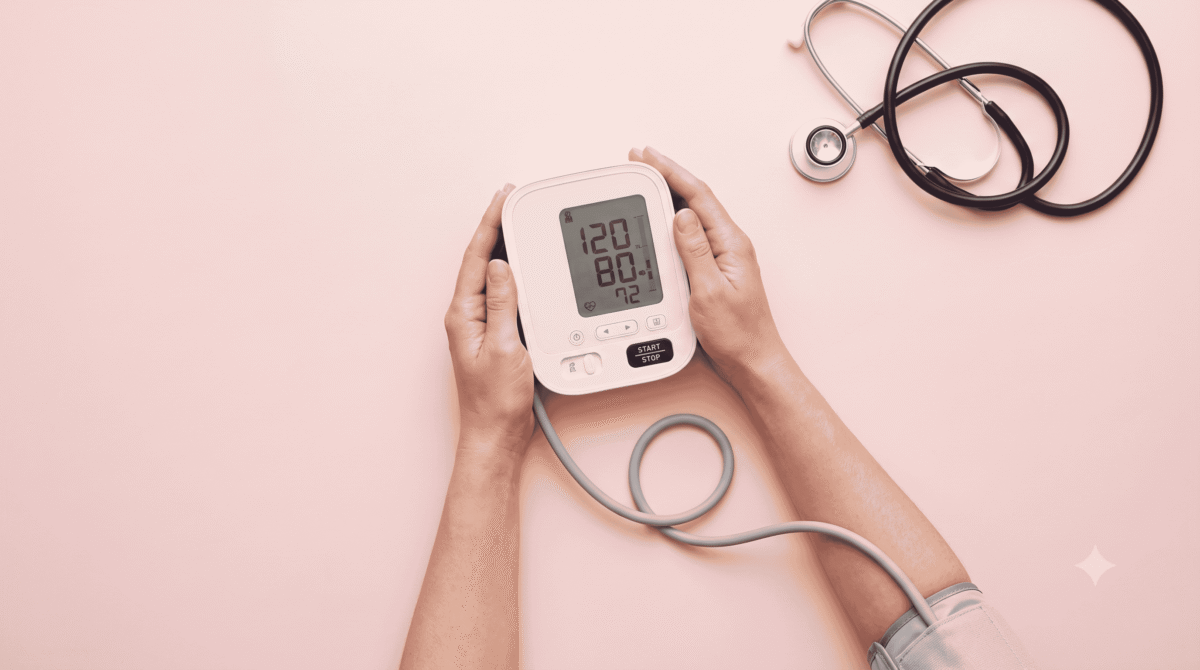
When a doctor checks your blood pressure, you get two numbers. They look like this: 120/80.

The top number is systolic pressure. It shows how hard blood pushes when your heart beats.

The bottom number is diastolic pressure. It shows the pressure when your heart rests between beats.

Both numbers matter. If either one is too high or too low, it can cause problems.

Why Blood Pressure Changes

Your blood pressure goes up and down during the day. That’s normal. It changes when you:

  • Exercise or move around
  • Feel stressed or worried
  • Drink coffee or caffeine
  • Sleep or rest
  • Eat salty foods

Age also changes your blood pressure. As you get older, your arteries become stiffer, which naturally raises blood pressure.

Normal Blood Pressure for Adults

For adults 18 and older, here’s what doctors look for:

Normal: Less than 120/80 mm Hg

This is the healthy range most adults should aim for. Nearly half of U.S. adults have high blood pressure (48.1%, or about 120 million people). That’s why checking your numbers matters.

Blood Pressure Categories for Adults

The American Heart Association has five blood pressure categories:

  1. Normal: Less than 120/80 mm Hg
  2. Elevated: 120-129 systolic and less than 80 diastolic
  3. High Blood Pressure Stage 1: 130-139 systolic or 80-89 diastolic
  4. High Blood Pressure Stage 2: 140 or higher systolic or 90 or higher diastolic
  5. Hypertensive Crisis: Higher than 180/120 (needs emergency care)

Both numbers matter. Even if just one number is high, it can mean trouble.

Blood Pressure by Age and Gender

Blood pressure naturally goes up as you age. Here are the averages:

Age Range Men (Systolic/Diastolic) Women (Systolic/Diastolic)
18-39 years 119/76 mm Hg 110/68 mm Hg
40-59 years 124/77 mm Hg 122/74 mm Hg
60+ years 133/69 mm Hg 139/68 mm Hg

These are averages, not goals. Your target should still be below 120/80 if possible.

Blood Pressure in Children and Teens

Kids have lower blood pressure than adults. Their small bodies and growing hearts work differently.

Blood pressure screening should start at age 3 during regular checkups. For younger kids, doctors only check if there’s a health concern.

Normal Ranges for Children

In children younger than 13, normal blood pressure depends on three things: their age, height, and whether they’re a boy or girl.

Here are general ranges:

Age Systolic (Top Number) Diastolic (Bottom Number)
Newborn 60-76 mm Hg 30-45 mm Hg
1 month 73-94 mm Hg 36-56 mm Hg
1 year 85-104 mm Hg 37-66 mm Hg
2 years 86-106 mm Hg 40-61 mm Hg
7 years 96-115 mm Hg 57-76 mm Hg
15 years 110-131 mm Hg 64-83 mm Hg

These are wide ranges because kids grow at different rates.

Blood Pressure in Teens

For teens 13 and older, doctors use adult guidelines. Elevated blood pressure is 120-129/less than 80. High blood pressure is 130/80 or higher.

Teens who are overweight have higher risk. About 30% of teens with obesity have elevated blood pressure or high blood pressure.

Blood Pressure in Seniors

Getting older means higher blood pressure for most people. But “normal for your age” isn’t always healthy.

Guidelines for Older Adults

In 2017, medical groups updated their guidelines. They recommend that adults 65 and older aim for blood pressure below 130/80 mm Hg.

Some doctors are more flexible with very elderly patients. If you’re over 80 and have other health issues, your doctor might accept slightly higher numbers. This helps prevent falls from dizziness.

Why Seniors Have Higher Blood Pressure

Your blood vessels change as you age. They get stiffer. They don’t stretch as easily. This makes your heart work harder to pump blood.

Other age-related factors include:

  • Less physical activity
  • Weight gain over the years
  • Medicines that raise blood pressure
  • Health conditions like diabetes or kidney disease

That’s why annual physicals for adults become so important as you age.

When Both Numbers Don’t Match

Sometimes your top number looks good but your bottom number is high. Or the other way around.

If your systolic (top) number is 140 but your diastolic (bottom) is 70, you still have high blood pressure. The same goes for 119/90—even though 119 is normal, 90 is too high.

Either number being too high puts you at risk.

Isolated Systolic Hypertension

This is when your top number is high but your bottom number is normal. It’s common in older adults.

Example: 150/70 mm Hg

The stiff arteries we talked about earlier cause this. It still needs treatment because it raises your risk for heart disease and stroke.

What Causes High Blood Pressure

About 48% of U.S. adults have high blood pressure. Many don’t even know it because high blood pressure usually has no symptoms.

Common Risk Factors

Several things raise your chances of high blood pressure:

Age: Blood pressure goes up as you get older

Family History: If your parents had it, you’re more likely to get it

Weight: Being overweight makes your heart work harder

Lack of Exercise: Moving less means higher blood pressure

Too Much Salt: Eating salty foods can raise your numbers

Smoking: It damages your blood vessels

Stress: Constant worry can keep your blood pressure high

Other Health Issues: Diabetes, kidney disease, and sleep problems all play a role

Secondary Hypertension

Sometimes another health problem causes high blood pressure. This is called secondary hypertension. Treating the underlying cause can fix the blood pressure problem.

Symptoms of High Blood Pressure

Here’s the scary part: high blood pressure usually has no symptoms. That’s why doctors call it “the silent killer.”

You can feel perfectly fine while your blood pressure damages your body. In 2023, high blood pressure was a primary or contributing cause of 664,470 deaths in the United States.

When to Go to the Emergency Room

If your blood pressure is higher than 180/120, it’s a medical emergency. Call 911 if you also have:

  • Bad headache
  • Chest pain
  • Trouble breathing
  • Vision changes
  • Weakness or numbness
  • Trouble speaking

Don’t wait. These symptoms mean your organs could be getting damaged right now.

How to Check Your Blood Pressure at Home

Checking your blood pressure at home gives your doctor better information. One reading at the office isn’t enough.

Choosing a Home Monitor

Get an automatic monitor that goes around your upper arm. Wrist and finger monitors aren’t as accurate.

Look for monitors that:

  • Have a large, easy-to-read screen
  • Fit your arm (measure first)
  • Are approved by medical organizations
  • Store multiple readings

Taking an Accurate Reading

Follow these steps every time:

  1. Don’t drink caffeine for 30 minutes before
  2. Sit quietly for 5 minutes
  3. Keep your back supported
  4. Put both feet flat on the floor
  5. Rest your arm on a table at heart level
  6. Don’t talk during the reading

Take two readings, one minute apart. Write down both numbers with the date and time.

How to Lower High Blood Pressure

Good news: you can often lower your blood pressure without medicine. Even small changes help.

Lifestyle Changes That Work

Lose Extra Weight: Even 5-10 pounds can make a difference. Weight management programs can help.

Eat Less Salt: Most Americans eat too much salt. Aim for less than 2,300 mg per day. That’s about one teaspoon.

Move More: Walk for 30 minutes most days. Gardening counts. Dancing counts. Just move.

Eat Heart-Healthy Foods: Fill your plate with vegetables, fruits, and whole grains. Cut back on fried foods and sweets.

Quit Smoking: This is huge. Your blood pressure drops within weeks of quitting.

Limit Alcohol: Drinking too much raises blood pressure. Men should have no more than 2 drinks per day. Women should have 1 or less.

Manage Stress: Try deep breathing, meditation, or talking with friends. Stress-related conditions need attention.

Sleep Better: Aim for 7-9 hours each night. Sleep problems can raise blood pressure.

When You Need Medicine

Sometimes lifestyle changes aren’t enough. Your doctor might prescribe blood pressure medicine if:

  • Your blood pressure stays high despite healthy habits
  • You have very high blood pressure (160/100 or higher)
  • You have diabetes, kidney disease, or heart disease
  • You’re at high risk for heart attack or stroke

Among adults with high blood pressure, only 51.2% reported taking medicine for it. Many people stop taking their medicine because they feel fine. But remember: high blood pressure has no symptoms until it causes serious damage.

Taking medicine as prescribed protects your heart, brain, kidneys, and blood vessels.

Understanding Low Blood Pressure

Low blood pressure (hypotension) gets less attention than high blood pressure. But it matters too.

For adults, blood pressure below 90/60 mm Hg is considered low. But some healthy people naturally have low blood pressure and feel great.

When Low Blood Pressure Is a Problem

Low blood pressure becomes dangerous when it causes symptoms like:

  • Dizziness or lightheadedness
  • Fainting
  • Blurred vision
  • Nausea
  • Fatigue
  • Lack of concentration

These symptoms mean your brain and organs aren’t getting enough blood.

Causes of Low Blood Pressure

Several things can drop your blood pressure:

  • Not drinking enough water
  • Pregnancy
  • Blood loss
  • Heart problems
  • Severe infections
  • Severe allergic reactions
  • Certain medicines
  • Standing up too quickly (especially in older adults)

If you have symptoms of low blood pressure, see your doctor. Don’t try to fix it yourself by eating more salt.

Special Considerations

Some groups need extra attention when it comes to blood pressure.

Pregnancy and Blood Pressure

Blood pressure naturally drops in early pregnancy. It usually returns to normal by the end.

But high blood pressure during pregnancy is serious. It can lead to a dangerous condition called preeclampsia. All pregnant women need regular blood pressure checks.

How Often to Check Your Blood Pressure

If you’re 18 or older, get your blood pressure checked at least every two years. If you’re 45 or older, get it checked every year.

Check more often if:

  • You have high blood pressure
  • Your blood pressure is elevated
  • You have risk factors like obesity or family history
  • You take blood pressure medicine
  • Your doctor recommends it

Annual physicals always include blood pressure checks. They’re one of the most important tests your doctor does.

Tracking Your Numbers

Keep a blood pressure log. Write down:

  • The date and time
  • Your systolic (top) number
  • Your diastolic (bottom) number
  • What you were doing before the reading
  • Any symptoms you felt

This information helps your doctor see patterns and make better treatment decisions.

The Connection Between Blood Pressure and Other Health Conditions

High blood pressure doesn’t happen alone. It’s often connected to other health problems.

Heart Disease

High blood pressure is a major risk factor for heart disease and stroke, which are leading causes of death in the United States.

When your blood pressure stays high, it damages your arteries. This makes it easier for cholesterol to build up. Over time, this can block arteries and cause heart attacks.

Heart disease management includes controlling blood pressure along with other treatments.

Stroke

High blood pressure damages blood vessels throughout the body, including the brain, making them more likely to get blocked or burst.

A stroke happens when blood can’t reach part of your brain. Either a blood clot blocks a vessel, or a vessel breaks and bleeds. Both types of stroke are more common when blood pressure is high.

Blood pressure above 130/80 increases stroke risk. Above 180/120 is a medical emergency.

Kidney Disease

Your kidneys filter waste from your blood. High blood pressure damages the tiny blood vessels in your kidneys. Over time, they can’t do their job.

Kidney disease then makes blood pressure even higher. It becomes a vicious cycle. That’s why chronic disease management focuses on keeping blood pressure under control.

Diabetes

Diabetes and high blood pressure often go together. About two-thirds of people with diabetes also have high blood pressure.

Both conditions damage blood vessels. Together, they greatly increase the risk of heart disease, stroke, and kidney problems.

Myths About Blood Pressure

Let’s clear up some common misunderstandings.

Myth 1: “I feel fine, so my blood pressure must be normal.”

Not true. High blood pressure rarely causes symptoms until serious damage has occurred.

Myth 2: “High blood pressure runs in my family, so there’s nothing I can do.”

While family history matters, lifestyle changes can still help a lot. Many people with a family history never develop high blood pressure.

Myth 3: “I only need to worry about the top number.”

Both numbers matter. High blood pressure in either number increases your risk.

Myth 4: “Blood pressure medicine is dangerous.”

Modern blood pressure medicines are safe for most people. The risks of untreated high blood pressure are much greater.

Myth 5: “Once I start blood pressure medicine, I’ll need it forever.”

Sometimes. But if you make big lifestyle changes, you might be able to stop or reduce medicine under your doctor’s guidance.


Questions to Ask Your Doctor

When you discuss blood pressure with your doctor, ask:

  1. What is my blood pressure goal?
  2. How often should I check my blood pressure at home?
  3. What lifestyle changes would help me most?
  4. Do I need blood pressure medicine?
  5. What are the side effects of the medicine you’re recommending?
  6. Could any of my other medicines affect my blood pressure?
  7. What symptoms should I watch for?
  8. When should I come back for a follow-up?

Write down the answers. Bring your blood pressure log to every appointment.

Resources for Managing Blood Pressure

Several trusted sources provide more information:

  • American Heart Association (heart.org): Offers blood pressure trackers, recipes, and education
  • National Heart, Lung, and Blood Institute (nhlbi.nih.gov): Government resource with detailed guidelines
  • Centers for Disease Control and Prevention (cdc.gov): Statistics and prevention programs

Local health centers often offer free or low-cost blood pressure screenings. Check with your community center or pharmacy.

Final Thoughts

Normal blood pressure is below 120/80 mm Hg for most adults. But remember: these numbers change with age, and what’s “normal” isn’t always healthy.

Children have much lower blood pressure than adults. As we age, blood pressure naturally rises. But that doesn’t mean we should accept very high numbers.

The key is knowing your numbers. Check your blood pressure regularly. Make healthy lifestyle choices. And work with your doctor to keep your blood pressure in a safe range.

High blood pressure is called “the silent killer” for good reason—it usually has no symptoms until it causes serious damage. Don’t wait for warning signs. Take action now.

If you haven’t had your blood pressure checked recently, schedule an appointment today. Whether you need a routine checkup, help managing chronic conditions, or hypertension management, regular care makes all the difference.

Your heart works hard for you every single day. Give it the support it deserves by keeping your blood pressure in check. Your future self will thank you.

3.1-FS-mini-430_a-la-une.webp

A FibroScan is a pain-free test that checks your liver health without surgery. It uses special sound waves to measure liver stiffness and fat buildup. This quick test helps doctors find liver damage early and plan treatment.

This guide explains everything about FibroScan testing. You’ll learn what happens during the test, how much it costs, and why doctors use it instead of other liver tests. Whether your doctor just ordered this test or you want to learn more about liver health, this article has the answers you need.

What Liver Conditions Can FibroScan Detect?

Common Liver Diseases Diagnosed with FibroScan

FibroScan helps doctors find and track many liver problems:

Fatty Liver Disease

Nonalcoholic fatty liver disease happens when too much fat is stored in liver cells, which puts you at risk for liver damage. Many people have this condition and don’t even know it. FibroScan can catch it early.

Hepatitis B and C

When the liver becomes infected with Hepatitis B or C virus, it causes liver swelling and puts you at higher risk of developing cirrhosis or liver cancer. FibroScan helps track how these infections affect your liver over time.

Alcoholic Liver Disease

This is liver damage caused by drinking more alcohol than your liver can process, creating swelling that can cause serious scarring called cirrhosis. If caught early, stopping alcohol can help your liver heal.

Cirrhosis

This is the most serious form of liver scarring. With a cutoff value of 17.6 kPa, FibroScan can diagnose cirrhosis with 92% negative and 91% positive accuracy. Finding cirrhosis early is critical for treatment.

Early Detection Saves Lives

Your liver is tough and can fix itself for years without showing signs of trouble until it goes into the final stages of liver failure. This makes early testing so important.

Quick, simple, and risk-free, a FibroScan can find early signs of liver damage that would otherwise go unnoticed. When doctors catch problems early, they can often stop or reverse the damage before it becomes permanent.

Many people don’t feel sick until their liver is badly damaged. That’s why doctors recommend FibroScan testing for anyone with risk factors like obesity, diabetes, or a history of drinking alcohol.

The FibroScan Procedure Explained

Preparing for Your FibroScan Test

Getting ready for a FibroScan is easy. Here’s what you need to do:

Don’t eat or drink anything for at least three hours before your test time. This helps the machine get clear readings.

Wear loose-fitting clothes to your appointment because you’ll need to have your belly area exposed so the ultrasound can be placed on the skin near your liver.

You can take your regular medicines. The test doesn’t require any shots or needles. FibroScan requires no sedation of any kind, so you can drive yourself to and from the test.

What Happens During the Test?

The actual FibroScan exam is quick and comfortable:

You lie on your back with your right arm above your head, giving access to your right rib cage so your liver can be scanned. This position opens up the space between your ribs.

A staff member places a probe similar to an ultrasound probe on your side near where your liver is. They put gel on your skin first, just like a regular ultrasound.

You may feel a slight vibration on the skin at the tip of the probe as it delivers ultrasound waves to measure your liver. This doesn’t hurt at all. Some people barely feel anything.

FibroScan tests take about 15 minutes or so to complete and are typically comfortable. The test itself only takes 5-10 minutes, with the rest of the time for setup and instructions.

After Your FibroScan Appointment

The exam itself typically lasts only about 5 to 10 minutes, though you should allow some extra time for preparation and post-exam discussions. Plan for about 30-45 minutes total at the clinic.

You can resume normal activities immediately afterward with no restrictions. No recovery time is needed. You can go back to work, drive, eat, and do everything normally.

Results are often ready within 1 to 2 days, whereas results of a liver biopsy might take up to two weeks. Your doctor will call you or schedule a follow-up visit to explain what your results mean for your health.

Understanding Your FibroScan Results

Your FibroScan measures liver stiffness and fat levels, but what those numbers mean can vary. It’s best to have your results reviewed by your healthcare provider, who will explain them clearly and discuss any next steps or follow-up care.

FibroScan vs. Liver Biopsy

Why FibroScan Is Better for Most Patients

Before FibroScan, liver biopsies were the only way to check for liver scarring. But biopsies have many downsides:

Liver biopsy is an invasive test that requires the patient to be hospitalized for half a day, is expensive, and is associated with risks such as pain and bleeding.

Sampling error may occur in up to 25-30% of liver biopsies, and different pathologists can interpret the same sample differently. This means sometimes biopsies give wrong answers.

FibroScan is completely non-invasive and painless, takes less than 10 minutes to complete, and many patients find it far more comfortable than a biopsy.

Key Advantages of FibroScan

No Needles or Surgery

Unlike liver biopsies which involve inserting a needle into the liver to collect tissue samples, FibroScan is entirely non-invasive. Nothing goes into your body.

Fast and Convenient

The test takes only 5-7 minutes to perform, is significantly less expensive than liver biopsy, and has not been associated with any side effects.

Can Be Repeated Safely

With no restriction on how often it can be used, a FibroScan can monitor the progression, stagnation, or improvement of liver disease following diagnosis. You can have as many FibroScan tests as needed without any risk.

More Complete Picture

FibroScan examines an area of the liver at least 100 times larger than the tissue sample taken by liver biopsy. This gives doctors better information about your entire liver.

When Liver Biopsy Is Still Needed

Liver biopsy provides a complete evaluation of liver fibrosis, inflammation, and other associated conditions, allowing for precise diagnosis and staging of liver diseases.

Some situations where biopsy may still be necessary:

  • When doctors need to identify the exact type of liver disease
  • When FibroScan results are unclear or contradictory
  • When detailed information about inflammation is needed
  • For certain research studies

Your doctor will discuss which test is right for your situation. Many times, FibroScan gives all the information needed without requiring a biopsy.

Living with Liver Disease

Diet Changes That Help

  • Reduce sugar and processed foods
  • Eat more vegetables, fruits, and whole grains
  • Choose lean proteins like fish and chicken
  • Limit saturated fats and trans fats
  • Drink plenty of water

Exercise for Liver Health

Regular physical activity helps reduce liver fat. Aim for 150 minutes of moderate exercise each week. This can be as simple as brisk walking for 30 minutes five days a week.

Even small weight loss helps. Losing just 5-10% of your body weight can significantly reduce liver fat and inflammation.

Working with Your Healthcare Team

Regular follow-up is key when managing liver disease. Your doctor may recommend:

  • Repeat FibroScan tests every 6-12 months
  • Blood tests to check liver function
  • Ultrasounds to look for complications
  • Referral to a liver specialist if needed

At Yorktown Health, we provide comprehensive care for patients with liver concerns as part of our chronic disease management services. Our team works with you to create personalized treatment plans that fit your lifestyle.

Medications That May Help

Depending on your specific liver condition, your doctor might prescribe:

  • Antiviral drugs for hepatitis B or C
  • Medications to reduce liver inflammation
  • Drugs to help with weight loss, like GLP-1 medications or Semaglutide
  • Medications to manage diabetes or cholesterol

Never start, stop, or change medications without talking to your doctor first. Some over-the-counter drugs and supplements can harm your liver, even if they seem natural or safe.

Frequently Asked Questions About FibroScan

Is FibroScan Painful?

FibroScans are not at all painful, and no sedation is needed. Most people only feel a slight vibration. It’s similar to having a regular ultrasound during pregnancy.

How Long Does FibroScan Take?

The procedure takes about 5 minutes, though your appointment will last about 30 minutes total. The extra time is for check-in, preparation, and questions.

Can I Eat Before FibroScan?

No. Don’t eat or drink anything for at least three hours before your scheduled procedure time. Food in your stomach can affect the test accuracy.

How Often Can I Have FibroScan?

With no restriction on the frequency of use, a FibroScan can monitor liver disease as often as your doctor recommends. Because it’s completely safe, you can have multiple tests without any risk.

Will My Insurance Pay for FibroScan?

Some insurance plans might cover the whole cost of a FibroScan in full, while others could require a copayment or coinsurance. Check with your insurance company before your appointment to understand your costs.

Final Thoughts

FibroScan has changed how doctors check liver health. This quick, painless test gives important information about liver scarring and fat buildup without surgery or needles. It’s safer, faster, and more comfortable than liver biopsies while providing accurate results that help guide treatment decisions.

If you have risk factors for liver disease or your doctor has recommended a FibroScan, don’t put it off. Early detection of liver problems makes treatment much more effective. Many types of liver damage can be reversed or stopped from getting worse when caught early.

At Yorktown Health in Vernon Hills, we offer comprehensive care for patients with liver concerns and metabolic conditions. Our team provides personalized treatment plans, including weight management support, diabetes management, and ongoing monitoring through our chronic disease management program.

Taking care of your liver health is one of the most important things you can do for your overall wellbeing. Schedule your annual physical today to discuss whether a FibroScan might be right for you. Your liver works hard for you every day—give it the attention it deserves.

Ready to learn more about your liver health? Contact us to schedule an appointment with our experienced healthcare team.

Semaglutide-vs.-Tirzepatide-1200x675.jpg

You can switch from semaglutide to tirzepatide if you’re not getting the results you want. Many people make this switch when they hit a weight loss plateau, need better blood sugar control, or want to see faster progress.

This guide will help you know when it’s the right time to switch. You’ll learn about the differences between these medications, what signs tell you it’s time to change, and how to make the switch safely.

What Makes Semaglutide and Tirzepatide Different?

Both medications help with weight loss and blood sugar control. But they work in different ways.

How Semaglutide Works

Semaglutide copies one hormone in your body called GLP-1. You might know it by brand names like Ozempic or Wegovy. This hormone helps you feel full after eating and slows down how fast food leaves your stomach.

When you take semaglutide, it:

  • Makes you feel less hungry
  • Helps you eat smaller portions
  • Keeps your blood sugar steady
  • Slows down digestion

Studies show that semaglutide helps people lose about 8-10% of their body weight in a year when used with healthy eating and exercise.

How Tirzepatide Works

Tirzepatide is newer and more powerful. It copies two hormones instead of one—GLP-1 and GIP. Brand names include Mounjaro and Zepbound.

Research shows tirzepatide helps people lose about 15-20% of their body weight, which is more than semaglutide. This happens because:

  • It targets two different ways your body handles food
  • It lowers appetite even more
  • It helps your body use insulin better
  • It burns fat more quickly

The double action makes tirzepatide stronger for many people. But stronger doesn’t always mean better for everyone.

Signs It’s Time to Switch Medications

Knowing when to switch is important. Here are the main reasons people move from semaglutide to tirzepatide.

You Hit a Weight Loss Plateau

A plateau means your weight stops going down even though you’re doing everything right. This is one of the biggest reasons people switch.

If semaglutide hasn’t been working well for you, or has been working well but not great, it might be worth switching to tirzepatide.

Signs you’ve hit a plateau:

  • Your weight hasn’t changed in 6-8 weeks
  • You’re on the highest dose of semaglutide
  • You’re eating healthy and exercising but not losing weight
  • You feel stuck at the same number

Research shows that people who switched to tirzepatide after being on another GLP-1 medication continued to lose weight instead of plateauing. In studies, people lost about 4.6 more pounds in just 12 weeks after switching.

Your Blood Sugar Isn’t Low Enough

If you have type 2 diabetes, controlling your blood sugar is very important. Semaglutide helps, but tirzepatide might help more.

Studies show that tirzepatide offers better hemoglobin A1c reduction compared to semaglutide. A1c is a test that shows your average blood sugar over three months.

For someone with an A1C of about 7% on semaglutide, tirzepatide might bring it closer to target with an extra 0.4% reduction.

You might need to switch if:

  • Your A1c is still above your target
  • Your blood sugar goes up and down a lot
  • Your doctor wants better control
  • You want to lower your diabetes medicine

You Want Faster Results

Some people are happy with slow and steady weight loss. Others want to see results faster. That’s okay too.

In studies, people lost an average of 5.9% of their body weight in three months with tirzepatide, compared to 3.6% with semaglutide.

That’s almost double the weight loss in the same time! At week 72, adults receiving tirzepatide achieved a 20.2% weight loss versus 13.7% with semaglutide.

You Have Other Health Problems

Tirzepatide is approved for more health issues than semaglutide. If you have another health condition that only tirzepatide is FDA-approved to treat, such as obstructive sleep apnea, switching makes sense.

Other reasons to switch:

  • You need help with multiple health problems
  • You want one medication to do more
  • Your doctor recommends it for your specific case

What Research Says About Switching

Science backs up the idea that switching can help. Let’s look at what studies tell us.

Weight Loss Results

The numbers are clear. Patients receiving tirzepatide were significantly more likely to achieve weight loss of 5% or greater, 10% or greater, and 15% or greater compared to semaglutide.

Here’s what that looks like:

  • More than twice as many people lost at least 10% of their weight with tirzepatide
  • More than three times as many people lost at least 15% of their weight
  • A higher percentage of adults receiving tirzepatide lost at least 10%, 15%, 20%, and 25% of their body weight compared to those receiving semaglutide

Blood Sugar Control

When people with type 2 diabetes on stable GLP-1 treatment switched directly to tirzepatide, they experienced improved blood sugar outcomes and additional weight reduction over 12 weeks.

The improvements included:

  • Lower A1c levels
  • Better fasting blood sugar
  • More stable blood sugar throughout the day

Real-World Success Stories

It’s not just lab studies. Real people are getting real results. Among 41,222 adults taking these medications, 18,386 were studied after matching. The results showed tirzepatide worked better for weight loss at 3 months, 6 months, and 12 months.

At Yorktown Health in Vernon Hills, we see these results with our patients too. When people switch at the right time with proper medical guidance, they often break through their plateaus and reach their goals.

How to Switch Safely

Switching medications isn’t hard, but it needs to be done the right way. Never switch without talking to your doctor first.

The Right Timing

You don’t need a lengthy washout period between stopping semaglutide and starting tirzepatide. Research shows that switching medications within 3-10 days of each other is generally well tolerated.

The usual process:

  1. Take your last dose of semaglutide
  2. Wait about one week
  3. Start tirzepatide on your next scheduled injection day

This keeps you on track without missing doses or having gaps in treatment.

Starting Dose Matters

Here’s something important: Most people start tirzepatide at a low dose, even if they were on a high dose of semaglutide. This helps your body adjust and reduces side effects.

Patients already on GLP-1 medications can often start tirzepatide at 5mg safely, though the exact starting dose should follow your provider’s recommendation.

Your doctor will decide based on:

  • How well you handled semaglutide
  • Any side effects you had
  • Your weight loss goals
  • Your overall health

What to Expect During the Switch

Most people handle the switch well. You might notice:

  • Some stomach upset at first
  • Changes in appetite
  • Different energy levels
  • Continued weight loss

Twenty participants (13.2%) developed gastrointestinal events when switching, and most were mild. Only 2% stopped the medication because of side effects.

Common Side Effects to Watch For

Both medications can cause side effects. Knowing what to expect helps you stay prepared.

Typical Side Effects

The most common issues affect your stomach:

  • Feeling sick to your stomach
  • Upset stomach
  • Loose stools
  • Feeling too full

These usually happen when you first start or increase your dose. They get better as your body adjusts.

How to Handle Side Effects

Simple tips that help:

  • Eat smaller meals more often
  • Avoid greasy or fried foods
  • Stay away from very sweet foods
  • Drink plenty of water
  • Eat slowly and chew well

If side effects don’t get better or get worse, call your doctor right away.

Serious Side Effects

While rare, some side effects need quick medical attention:

  • Very bad stomach pain
  • Throwing up that won’t stop
  • Vision changes
  • Fast heartbeat
  • Signs of low blood sugar if you take other diabetes medicine

Always tell your healthcare team about any concerns. Better safe than sorry.

Who Should Not Switch?

Switching isn’t right for everyone. Some people should stay on semaglutide or talk to their doctor about other options.

When to Stay on Semaglutide

You might want to keep taking semaglutide if:

  • You’re meeting your weight loss goals
  • Your blood sugar is under control
  • You’re not having side effects
  • Your insurance covers semaglutide but not tirzepatide
  • Cost is a big concern for you

Semaglutide works great for many people. If it’s working for you, there’s no need to change.

Medical Reasons Not to Switch

Some health conditions mean tirzepatide isn’t right for you:

  • History of thyroid cancer
  • Family history of certain thyroid problems
  • Pancreatitis (inflamed pancreas) in the past
  • Severe stomach problems

Your doctor will check your medical history before prescribing any new medication.

Cost Considerations

Money matters. Tirzepatide may not yet be covered by all insurance plans, leading to higher out-of-pocket costs.

Things to think about:

  • What does your insurance cover?
  • Can you afford the medication long-term?
  • Are there patient assistance programs?
  • Would you do better with a medication you can afford consistently?

At Yorktown Health, we can help you look at all your options, including affordable alternatives.

Making Lifestyle Changes Work

Medication helps a lot, but it’s not the only answer. The best results come when you combine medicine with healthy habits.

Eating for Success

Both medications work best when combined with healthy eating habits and regular physical activity.

Simple eating tips:

  • Fill half your plate with vegetables
  • Choose lean proteins like chicken, fish, or beans
  • Pick whole grains over white bread or white rice
  • Drink water instead of soda or juice
  • Watch your portion sizes

You don’t need a perfect diet. Small, steady changes add up over time.

Moving Your Body

Exercise doesn’t have to be hard or take hours. Even small amounts help.

Easy ways to get moving:

  • Walk for 15-30 minutes most days
  • Take the stairs instead of the elevator
  • Park farther away from store entrances
  • Do simple strength exercises at home
  • Find activities you actually enjoy

Movement helps you lose weight, build muscle, and feel better overall.

Sleep and Stress Matter Too

Don’t forget about rest and relaxation. Poor sleep and high stress can slow down your progress.

Better sleep habits:

  • Go to bed at the same time each night
  • Keep your bedroom cool and dark
  • Avoid screens before bedtime
  • Limit caffeine after lunch

Managing stress:

  • Take deep breaths when you feel stressed
  • Spend time doing things you enjoy
  • Talk to friends or family
  • Consider counseling if stress is overwhelming

For help with stress-related conditions, our team at Yorktown Health is here for you.

What Happens After You Switch?

The first few weeks after switching are important. Here’s what to expect.

The First Month

Week 1-2:

  • Your body starts adjusting to the new medication
  • You might have mild side effects
  • Appetite changes may begin

Week 3-4:

  • Side effects usually get better
  • You start seeing weight loss pick up
  • Energy levels may improve

Ongoing Monitoring

Regular follow-up appointments allow your provider to monitor your progress.

Your doctor will check:

  • How much weight you’re losing
  • Your blood sugar levels if you have diabetes
  • Any side effects you’re having
  • Whether your dose needs adjusting

Most people see their doctor every 4-12 weeks while on these medications.

Long-Term Success

If you stop taking tirzepatide, you’ll likely regain weight. After stopping weight loss medications, patients typically regain about two-thirds of the weight they lost within a year.

This shows why these medications are long-term treatments. They’re not quick fixes. They work best when used as part of a lasting plan for better health.

For comprehensive weight management support, we’re here to help you succeed long-term.

Talking to Your Doctor

Your doctor is your partner in this journey. Good communication makes everything easier.

Questions to Ask

Before you switch, ask your doctor:

  • Is switching right for my situation?
  • What results can I expect?
  • How will we handle any side effects?
  • What’s the plan if this doesn’t work either?
  • How often should I come in for check-ups?
  • What lifestyle changes should I focus on?

Write down your questions before your appointment so you don’t forget them.

What Information to Share

Help your doctor help you by sharing:

  • Your complete weight loss history
  • All medications and supplements you take
  • Any side effects you’ve had
  • What results you’re hoping for
  • Any health problems in your family
  • Your budget and insurance situation

The more your doctor knows, the better they can guide you.

Setting Realistic Goals

Work with your doctor to set goals that make sense for you. Not everyone will lose 20% of their weight, and that’s okay.

Good goals are:

  • Specific (I want to lose 30 pounds)
  • Measurable (I’ll check my weight weekly)
  • Achievable (losing 1-2 pounds per week)
  • Realistic (based on your situation)
  • Time-bound (over the next 6 months)

Celebrate small wins along the way. Every step forward matters.

Other Options Besides Switching

Switching isn’t the only answer to a plateau. Sometimes other changes help too.

Adjusting Your Current Dose

If you’re not on the highest dose of semaglutide yet, increasing it might help. Your doctor can guide you through dose adjustments safely.

Adding Other Medications

Sometimes combining medications works well. Your doctor might suggest adding:

  • Metformin for blood sugar control
  • Other diabetes medications
  • Supplements that support weight loss

Never add medications on your own. Always check with your healthcare provider first.

Trying Other Approaches

Beyond medication, consider:

  • Working with a nutritionist
  • Joining a weight loss support group
  • Trying meal planning services
  • Working with a personal trainer

For chronic disease management including diabetes and weight issues, our team takes a complete approach to your health.

Insurance and Cost Help

Money shouldn’t stop you from getting the treatment you need.

Insurance Coverage

Many insurance companies cover these medications for:

  • Type 2 diabetes
  • Obesity with certain health problems
  • People who meet specific BMI requirements

But coverage varies a lot. Some plans cover semaglutide but not tirzepatide. Others require you to try one before approving the other.

Ways to Save Money

If insurance doesn’t cover your medication:

  • Ask about patient assistance programs
  • Look for manufacturer coupons
  • Check if compound pharmacies offer lower-cost versions
  • See if your employer offers wellness program discounts

Our team at Yorktown Health can help you find affordable options. We understand that cost matters and we’ll work with you to find solutions.

Worth the Investment?

Think about the bigger picture. Weight loss can:

  • Reduce your need for other medications
  • Lower your risk of serious health problems
  • Improve your quality of life
  • Help you feel more confident

Sometimes spending money on preventive care saves money on healthcare costs later.

Special Situations

Some people have unique needs when it comes to switching medications.

Switching During Pregnancy Planning

If you’re planning to get pregnant, talk to your doctor right away. These medications aren’t recommended during pregnancy. You’ll need to stop them before trying to conceive.

People With Multiple Health Issues

If you have several health problems, switching needs extra care. Your doctor will consider:

  • All your current medications
  • How they interact with tirzepatide
  • Which health problem needs the most attention
  • Your overall treatment plan

For diabetes management along with other health concerns, we provide coordinated care.

Older Adults

Seniors can use both medications safely, but they might need:

  • More careful monitoring
  • Lower starting doses
  • More frequent check-ins
  • Special attention to nutrition

Age is just a number when it comes to getting healthier.

Success Tips From Real Patients

People who do well with these medications share some common habits.

Stay Consistent

Take your medication on the same day each week. Set a reminder on your phone so you don’t forget.

Track Your Progress

Keep a simple journal of:

  • Your weight each week
  • How you’re feeling
  • What you’re eating
  • Any side effects

This helps you and your doctor see patterns and make good decisions.

Build Your Support System

Tell family and friends about your goals. Join online communities of people taking the same medications. Having support makes a big difference.

Be Patient

Weight loss takes time. Some weeks you’ll lose more, some weeks less. Focus on the overall trend, not day-to-day changes.

Celebrate Non-Scale Victories

Notice other improvements:

  • Clothes fitting better
  • More energy
  • Better sleep
  • Improved mood
  • Lower blood pressure or blood sugar

These wins matter just as much as the number on the scale.

Final Thoughts

Switching from semaglutide to tirzepatide can be the right choice if you’re not getting the results you want. The research is clear that tirzepatide often leads to more weight loss and better blood sugar control.

But the decision to switch should be made with your doctor. They’ll look at your whole situation—your health, your goals, your budget, and how you’ve responded to semaglutide.

Remember that medication is just one part of getting healthy. Eating well, moving your body, sleeping enough, and managing stress all play important roles too.

At Yorktown Health in Vernon Hills, we specialize in GLP-1 weight loss programs including both semaglutide and tirzepatide. Our experienced team provides personalized care, regular monitoring, and ongoing support to help you reach your goals safely.

Whether you’re thinking about starting weight loss medication for the first time or considering a switch, we’re here to help. Schedule an appointment today to discuss your options and create a plan that works for you.

Your health journey is important. With the right medication, lifestyle changes, and medical support, you can achieve the results you’re working toward.

The-Importance-of-Regular-Check-Ups.jpg

GLP-1 medications help lower blood pressure. These drugs reduce systolic blood pressure by about 2 to 6 points on average. They work by helping your kidneys remove extra salt, improving how your blood vessels work, and promoting weight loss. In this article, you’ll learn exactly how GLP-1 affects your blood pressure, what the research shows, and what you should know if you’re taking or thinking about taking these medications.

What Is GLP-1 and How Does It Work?

GLP-1 stands for glucagon-like peptide-1. It’s a natural hormone your gut makes after you eat. Think of it as a helpful messenger that tells your body what to do with the food you just ate.

When you eat, GLP-1 does several important jobs:

  • It tells your pancreas to release insulin, which moves sugar from your blood into your cells
  • It stops your liver from making too much sugar
  • It slows down how fast food leaves your stomach
  • It signals your brain that you’re full

People with type 2 diabetes or obesity often don’t make enough GLP-1, or their bodies don’t respond to it well. That’s where GLP-1 medications come in.

How GLP-1 Medications Are Different

GLP-1 medications copy what natural GLP-1 does, but they last much longer in your body. Natural GLP-1 breaks down in just a few minutes. These medications can last for hours or even a whole week.

Common GLP-1 medications include:

  • Semaglutide (Ozempic, Wegovy)
  • Liraglutide (Victoza, Saxenda)
  • Dulaglutide (Trulicity)
  • Tirzepatide (Mounjaro, Zepbound) – works on both GLP-1 and another hormone called GIP

Most of these are shots you give yourself once a week. Some come as daily shots, and one even comes as a pill.

How GLP-1 Lowers Your Blood Pressure

GLP-1 medications don’t just help with blood sugar and weight. They also help lower blood pressure through several different pathways. Let’s break down each way they work.

Your Kidneys Get Rid of Extra Salt

One of the main ways GLP-1 lowers blood pressure is by helping your kidneys remove more salt through your urine. This is called natriuresis.

Here’s what happens:

Your kidneys have tiny filters that decide what stays in your blood and what leaves in your urine. When GLP-1 activates receptors in your kidneys, it changes how these filters work. Specifically, it blocks a protein called NHE3 that normally pulls salt back into your blood.

With less salt being pulled back, more salt leaves your body. When you have less salt in your blood, your body holds onto less water. This means less fluid pushing against your blood vessel walls, which lowers your blood pressure.

Research shows that GLP-1 can increase sodium removal by about 40% in some people. This effect happens quickly—often within 2 to 3 weeks of starting the medication, even before you lose much weight.

Your Heart Releases a Helpful Hormone

GLP-1 also works through your heart to lower blood pressure. When GLP-1 activates receptors in your heart’s upper chambers (called the atria), it causes these chambers to release a hormone called ANP (atrial natriuretic peptide).

ANP is like a natural blood pressure medicine your body makes. It does two main things:

  1. It makes your blood vessels relax and widen
  2. It tells your kidneys to remove more salt and water

This creates a gut-heart-kidney connection. You eat food, your gut releases GLP-1, your heart releases ANP, and your kidneys remove salt. All of this works together to keep your blood pressure down.

Your Blood Vessels Work Better

High blood pressure often damages the inner lining of your blood vessels. This damage is called endothelial dysfunction. When this lining doesn’t work right, your blood vessels can’t relax properly.

GLP-1 helps fix this problem. It:

  • Reduces inflammation in blood vessel walls
  • Helps blood vessels relax and widen
  • Improves blood flow to important organs
  • Protects against further damage

Think of your blood vessels like garden hoses. When they’re stiff and damaged, water pressure builds up. When they’re flexible and healthy, water flows smoothly with less pressure.

The RAAS System Calms Down

Your body has a system called RAAS (renin-angiotensin-aldosterone system) that controls blood pressure. Sometimes this system gets overactive, especially in people with obesity or diabetes.

GLP-1 helps calm down this system. It lowers levels of a substance called angiotensin II, which normally makes blood vessels tighten and tells your kidneys to hold onto salt. With less angiotensin II, your blood vessels can relax and your kidneys can remove more salt.

Weight Loss Brings Extra Benefits

Most people lose weight on GLP-1 medications. This weight loss itself helps lower blood pressure. Here’s why:

Extra body weight, especially around your middle, puts stress on your heart and blood vessels. It also makes your body hold onto more salt and activates systems that raise blood pressure.

When you lose weight:

  • Your heart doesn’t have to work as hard
  • Your body releases less of the hormones that raise blood pressure
  • Your blood vessels can relax more easily
  • Your kidneys work better

Studies show that people on higher doses of GLP-1 medications (like semaglutide 2.4 mg or tirzepatide 15 mg) can lose 15% to 21% of their body weight. This kind of weight loss can drop blood pressure as much as some blood pressure medications.

What the Research Shows

Scientists have studied GLP-1 medications and blood pressure in thousands of people. Here’s what they’ve found.

The Numbers Behind Blood Pressure Reduction

When researchers combine results from many studies, they find that GLP-1 medications lower systolic blood pressure (the top number) by:

  • 2 to 6 mmHg on average when compared to placebo
  • Semaglutide: about 3 to 5 mmHg reduction
  • Liraglutide: about 2.5 to 3 mmHg reduction
  • Tirzepatide: about 7 to 11 mmHg reduction (the most powerful)

These numbers might seem small, but they matter. A drop of just 2 mmHg in systolic blood pressure across a population can prevent many heart attacks and strokes.

Diastolic blood pressure (the bottom number) doesn’t drop as much. Most studies show little to no change in diastolic pressure.

Tirzepatide Shows the Strongest Effects

Among all GLP-1 medications, tirzepatide appears to lower blood pressure the most. This makes sense because it works on two hormones instead of one.

In the SURMOUNT-1 study, nearly 500 adults with obesity took tirzepatide for 36 weeks. Their systolic blood pressure dropped by:

  • 7.4 mmHg with the 5 mg dose
  • 10.6 mmHg with the 10 mg dose
  • 8.0 mmHg with the 15 mg dose

These drops happened during both day and night. Nighttime blood pressure is especially important because it predicts heart problems better than daytime readings.

It Works Around the Clock

Studies using 24-hour blood pressure monitors show that GLP-1 medications lower blood pressure throughout the day and night. This is important because blood pressure that stays high at night increases the risk of heart disease and stroke.

The blood pressure benefits appear within 2 to 4 weeks of starting treatment. They continue for as long as you take the medication.

Benefits for People With Hard-to-Control Blood Pressure

About 10% to 30% of people with high blood pressure have what doctors call resistant hypertension. This means their blood pressure stays high even when they take three or more blood pressure medications.

Many people with resistant hypertension also have obesity. Since obesity drives up blood pressure, losing weight can be a powerful treatment.

Research shows that GLP-1 medications, especially when combined with standard blood pressure medications, can help people with resistant hypertension finally get their numbers under control. The weight loss these medications provide targets one of the root causes of the problem.

Cardiovascular Protection Beyond Blood Pressure

The benefits of GLP-1 medications go beyond just lowering blood pressure. Large studies have shown they also:

  • Reduce the risk of heart attacks by about 20%
  • Lower the chance of strokes
  • Decrease heart failure hospitalizations
  • Reduce overall cardiovascular death

Some of these benefits happen independently of blood pressure changes, which means GLP-1 medications protect your heart through multiple pathways.

What About Heart Rate?

One thing you should know: GLP-1 medications slightly increase heart rate. On average, your heart rate might go up by 2 to 4 beats per minute.

Scientists aren’t completely sure why this happens. Some theories include:

  • A response to blood vessel widening
  • Changes in the nervous system
  • The body adjusting to lower blood pressure

The good news is that this small increase in heart rate doesn’t seem to cause problems. In fact, despite the higher heart rate, these medications still protect against heart attacks and strokes.

If you have concerns about your heart rate, talk to your healthcare provider. They can monitor it and adjust your treatment if needed.

Who Benefits Most From Blood Pressure Effects?

GLP-1 medications work better for lowering blood pressure in some people than others.

People Who See the Biggest Drops

You’re more likely to see significant blood pressure reductions if you:

  • Have higher baseline blood pressure (140/90 or above)
  • Carry extra weight, especially around your belly
  • Have type 2 diabetes
  • Are younger (under 65)
  • Take higher doses of the medication

Even people with normal blood pressure at the start often see small reductions. Research suggests this might provide extra protection against future heart problems.

Special Considerations for Different Groups

People With Kidney Disease

Research shows mixed results in people with severe kidney disease. Some studies found that a single dose might temporarily raise blood pressure in people with very poor kidney function (eGFR below 30). However, long-term treatment still appears safe and beneficial for most people with mild to moderate kidney disease.

If you have kidney disease, your doctor will likely start you on a lower dose and monitor you closely.

Older Adults

Older adults can use GLP-1 medications safely. The blood pressure benefits appear similar across age groups. However, older people are more likely to take multiple medications, so careful monitoring is important to avoid blood pressure dropping too low.

People Already on Blood Pressure Medications

If you already take blood pressure medications, starting a GLP-1 drug might make your blood pressure drop more. This is actually good news—it means the treatments work together. But you’ll need regular check-ins with your doctor to adjust your blood pressure medications as needed.

Comparing Different GLP-1 Medications

All GLP-1 medications lower blood pressure, but some differences exist.

Medication Average Systolic BP Reduction Dosing Frequency Weight Loss
Semaglutide (2.4 mg) 3-5 mmHg Once weekly 15-17%
Liraglutide 2.5-3 mmHg Daily 8-10%
Dulaglutide 1.5-2 mmHg Once weekly 3-5%
Tirzepatide (15 mg) 7-11 mmHg Once weekly 20-21%

Tirzepatide leads the pack for both weight loss and blood pressure reduction. This is likely because it works on two hormone systems instead of one.

The choice of which medication is right for you depends on many factors, including:

  • Your insurance coverage
  • How well you tolerate the side effects
  • Whether you have diabetes or just obesity
  • Your personal preferences for dosing frequency

Your healthcare provider at Yorktown Health can help you decide which option fits your needs best.

What to Expect When Taking GLP-1 Medications

If you start a GLP-1 medication, here’s what you should know about blood pressure effects.

Timeline of Blood Pressure Changes

Week 1-2: You might not notice much change yet. Your body is adjusting to the medication.

Week 2-4: Blood pressure often starts dropping during this time, even before significant weight loss occurs. This happens because of the kidney and blood vessel effects.

Month 2-6: You’ll likely see continued blood pressure improvements as weight loss accelerates and all the beneficial effects add up.

Long-term: Blood pressure benefits continue as long as you take the medication and maintain weight loss.

Side Effects to Watch For

Most people tolerate GLP-1 medications well, but side effects can happen. The most common include:

  • Nausea (usually mild and temporary)
  • Vomiting
  • Diarrhea
  • Constipation
  • Stomach pain

These digestive side effects usually get better after a few weeks as your body adjusts. Starting with a low dose and increasing slowly helps reduce these problems.

Serious side effects are rare but can include:

  • Severe stomach pain (could signal pancreatitis)
  • Vision changes
  • Kidney problems
  • Allergic reactions

If you experience any concerning symptoms, contact your healthcare provider right away.

Low Blood Pressure Concerns

If you already take blood pressure medications and start a GLP-1 drug, your blood pressure might drop too low. Signs of low blood pressure include:

  • Dizziness, especially when standing up
  • Feeling lightheaded or faint
  • Blurred vision
  • Nausea
  • Fatigue

If you experience these symptoms, check your blood pressure at home if possible. Call your doctor—they might need to lower your blood pressure medication doses.

Monitoring Your Progress

Regular monitoring helps ensure you’re getting the most benefit safely. Your doctor will likely:

  • Check your blood pressure at each visit
  • Monitor your heart rate
  • Test your kidney function with blood tests
  • Track your weight and blood sugar
  • Ask about side effects

Consider getting a home blood pressure monitor. Checking your numbers at home gives you and your doctor more complete information. Take readings at the same time each day, usually in the morning before taking medications.

Combining Treatments for Better Blood Pressure Control

GLP-1 medications work well with other treatments. Think of it like a team approach.

Working With Blood Pressure Medications

GLP-1 drugs can be used alongside traditional blood pressure medications. In fact, many people need both. Common combinations include:

  • GLP-1 medication + ACE inhibitor or ARB
  • GLP-1 medication + calcium channel blocker
  • GLP-1 medication + diuretic (water pill)

These combinations often work better than either treatment alone. The hypertension management team at Yorktown Health can help create the right plan for you.

Lifestyle Changes Boost the Benefits

Medications work better when combined with healthy habits. Focus on:

Diet: A diet lower in salt helps GLP-1 medications work better. The Mediterranean diet or DASH diet are good choices. These eating plans emphasize fruits, vegetables, whole grains, and lean proteins.

Exercise: Physical activity lowers blood pressure on its own and helps with weight loss. Aim for at least 150 minutes of moderate activity each week. Even walking counts.

Stress Management: Chronic stress raises blood pressure. Try deep breathing, meditation, yoga, or other relaxation techniques.

Sleep: Poor sleep quality raises blood pressure. Aim for 7 to 9 hours of good sleep each night.

Limit Alcohol: If you drink, keep it moderate—no more than one drink per day for women or two for men.

These lifestyle changes don’t replace medication, but they make it work better. Plus, they provide their own health benefits beyond blood pressure control.

Special Situations and Questions

Let’s address some common questions and special circumstances.

Can GLP-1 Medications Replace Blood Pressure Drugs?

For some people with mild high blood pressure, GLP-1 medications might lower blood pressure enough to reduce or eliminate blood pressure medications. However, this should only be done under medical supervision.

Most people with moderate to severe high blood pressure will still need their blood pressure medications along with GLP-1 treatment. The good news is they work well together.

Never stop taking blood pressure medications on your own, even if your numbers improve. Always work with your healthcare provider to adjust medications safely.

What If I Have Multiple Health Conditions?

Many people taking GLP-1 medications have several health issues, such as:

  • Type 2 diabetes
  • High blood pressure
  • High cholesterol
  • Heart disease
  • Obesity

GLP-1 medications can help with all of these conditions. They lower blood sugar, reduce blood pressure, improve cholesterol, protect the heart, and promote weight loss. This makes them a powerful tool for people with multiple conditions.

Our team at Yorktown Health provides comprehensive chronic disease management to help coordinate all aspects of your care.

Do Benefits Last After Stopping the Medication?

Research shows that if you stop taking GLP-1 medications, many benefits gradually reverse. Weight usually comes back, blood sugar rises, and blood pressure goes up again.

This doesn’t mean you’ll be worse off than before you started. But it does mean these medications work best as long-term treatments, not quick fixes.

Think of them like glasses—they work great while you’re wearing them, but you need to keep wearing them to see clearly.

Are There Drug Interactions to Worry About?

GLP-1 medications can slow down how fast your stomach empties. This might affect how well other medications work. Tell your doctor about all medications you take, including:

  • Birth control pills (take at least 1 hour before your GLP-1 injection)
  • Warfarin (might need more frequent blood checks)
  • Diabetes medications (might need dose adjustments to prevent low blood sugar)

Most medications can be taken safely with GLP-1 drugs with proper timing or monitoring.

What the Future Holds

Research on GLP-1 medications and blood pressure continues. Scientists are exploring:

  • Even more powerful multi-hormone medications
  • Oral GLP-1 pills (not just shots)
  • Combinations specifically designed to treat high blood pressure
  • Long-term effects on organ damage from high blood pressure

The field is moving fast. What we know today will likely expand significantly in the coming years.

Getting Started With GLP-1 Treatment

If you’re interested in GLP-1 medications for blood pressure control, weight loss, or diabetes management, here’s how to begin.

Talk to Your Healthcare Provider

Schedule an appointment to discuss whether GLP-1 medications are right for you. Come prepared to talk about:

  • Your current blood pressure readings
  • All medications and supplements you take
  • Your weight loss goals
  • Any previous weight loss attempts
  • Your medical history, especially thyroid problems, pancreatitis, or kidney disease
  • Your family history of certain conditions

At Yorktown Health, our experienced team can evaluate whether GLP-1 medications fit into your overall health plan.

Insurance and Cost Considerations

GLP-1 medications can be expensive. Insurance coverage varies:

  • Most insurance covers them for diabetes
  • Coverage for weight loss is becoming more common but isn’t universal
  • Some patient assistance programs can help with costs

Our staff can help you navigate insurance coverage and find patient assistance programs if needed.

Setting Realistic Expectations

GLP-1 medications are powerful tools, but they’re not magic. Most people:

  • Lose 10% to 20% of their body weight over several months
  • See blood pressure drop by 2 to 10 mmHg
  • Experience improvements in blood sugar and cholesterol
  • Notice reduced hunger and increased fullness

Results take time and work best when combined with healthy lifestyle changes. Be patient with yourself and celebrate progress along the way.

Final Thoughts

GLP-1 medications help control blood pressure through multiple pathways—removing excess salt, improving blood vessel function, releasing helpful hormones, and promoting weight loss. Research shows they can lower systolic blood pressure by 2 to 10 mmHg on average, with tirzepatide showing the strongest effects.

These medications offer particular benefits for people with obesity, diabetes, or hard-to-control blood pressure. They work well alone or combined with traditional blood pressure medications. While they do slightly increase heart rate, they still reduce overall cardiovascular risk.

If you struggle with high blood pressure, especially if you also have diabetes or carry extra weight, GLP-1 medications might be worth discussing with your healthcare provider. They represent a newer approach that treats multiple problems at once.

The key is finding the right treatment plan for your individual situation. Blood pressure control isn’t one-size-fits-all. It requires a personalized approach that considers your whole health picture.

Ready to explore whether GLP-1 medications could help you? Contact Yorktown Health to schedule an appointment. Our team provides comprehensive care for diabetes management, weight management, and hypertension control, including expert guidance on GLP-1 weight loss options like semaglutide and tirzepatide.

Your journey to better blood pressure starts with a conversation. Let’s talk about what’s possible for your health.

Stress-and-Depression-1200x960.jpg

GLP-1 weight loss medications bring big mental health benefits. Studies show that 64% of people using these drugs report better mental and emotional health. The improvements go beyond just losing weight—many people feel happier, less worried, and more confident in their daily lives.

This article covers everything you need to know about GLP-1 medications and mental health. You’ll learn how these drugs work on your brain, what research shows about mood improvements, and why so many people feel better mentally while losing weight.

How GLP-1 Medications Work on Your Brain

GLP-1 drugs like semaglutide and tirzepatide do more than help you lose weight. These medications can cross into your brain and affect how you think and feel.

The Brain Connection

Your brain has special spots called GLP-1 receptors. These are found in areas that control your mood, stress, and food cravings. When GLP-1 medications reach these spots, they can help you feel calmer and more in control.

The medications work on brain chemicals like serotonin and dopamine. These are the same chemicals that many depression medications target. This is why some people feel their mood lift when taking GLP-1 drugs.

Beyond Appetite Control

Most people know GLP-1 drugs make you feel less hungry. But these medications also help reduce food noise—those constant thoughts about eating. When your mind isn’t always thinking about food, you have more mental energy for other things.

Research from the National Center for Biotechnology Information shows GLP-1 receptors are present in various brain areas including the hypothalamus, hindbrain, and amygdala. These areas control both eating behavior and emotional responses.

Depression Gets Better With GLP-1 Treatment

One of the biggest mental health benefits is less depression. Multiple studies show clear improvements in how people feel.

What The Numbers Say

A survey of 300 GLP-1 users found that 64% reported their mental or behavioral health improved since taking these medications. That’s nearly two out of every three people feeling better mentally.

Another large study looked at over 3 million people with diabetes. Those taking most GLP-1 medications had a decreased risk for depression diagnoses compared to people not taking these drugs. The reduction was as high as 45% for some medications.

How It Helps

Research involving 2,071 people showed that adults treated with GLP-1 medications had significant reductions in depression rating scores compared to those who got other treatments. The improvement happened regardless of how much weight people lost.

Scientists think the benefit comes from:

  • Direct effects on brain chemistry
  • Better blood sugar control reducing mood swings
  • Weight loss improving self-image
  • Less inflammation in the body and brain

Many people notice they have more energy and motivation. Tasks that felt too hard before become easier to tackle.

Anxiety Levels Drop Too

Feeling worried or nervous all the time is exhausting. GLP-1 medications help reduce these feelings for many people.

Research On Anxiety Reduction

A major study found that all five GLP-1 medications studied were linked with reduced risk for anxiety diagnoses in patients with diabetes. The effect was seen in both men and women across different age groups.

For people without diabetes who took semaglutide for weight loss, there was also a 37% lower chance of getting diagnosed with anxiety compared to those not taking the medication.

Why You Might Feel Less Anxious

Several things contribute to lower anxiety:

  1. Better body confidence – Losing weight often means feeling more comfortable in social situations
  2. Improved health markers – When blood pressure and blood sugar improve, health worries decrease
  3. Breaking the stress-eating cycle – Less emotional eating means better coping skills
  4. More physical activity – Weight loss makes movement easier, and exercise reduces anxiety

Some people describe feeling like a weight has been lifted from their shoulders—both literally and mentally.

Your Self-Esteem and Confidence Grow

Losing weight with GLP-1 medications often leads to feeling better about yourself.

Body Image Improvements

Research found that 78% of people who lost 10% of their body weight reported improved body image and self-esteem scores. This better self-image showed up in both personal and work life.

A consumer survey revealed that 32% of GLP-1 users indicated a more positive self-image and greater comfort wearing a wider variety of clothing. Many people start doing activities they avoided before because they felt self-conscious.

Social Life Gets Better

Weight loss often means:

  • Feeling more comfortable at social events
  • Trying new activities like sports or dancing
  • Being more willing to meet new people
  • Speaking up more in groups
  • Taking photos without feeling embarrassed

These social improvements create a positive cycle. Better social connections lead to better mental health, which supports continued healthy habits.

Real-Life Changes

People report practical improvements in daily life. Simple things like shopping for clothes become enjoyable instead of stressful. Going to the doctor feels less scary. Job interviews feel more confident.

The Weight and Mental Health Connection

Understanding why weight affects mental health helps explain the benefits of GLP-1 medications.

How Obesity Affects Your Mind

According to CDC data, about 43% of adults with depression were found to have obesity. The link goes both ways—being overweight increases depression risk, and depression increases obesity risk.

Studies show this two-way connection clearly. People with obesity had a 55% increased risk of developing depression over time, while people who were depressed had a 58% increased risk of developing obesity.

Why This Happens

Several factors create this connection:

Physical Factors:

  • Inflammation in the body affects brain function
  • Hormone imbalances impact mood
  • Sleep problems are common with both conditions
  • Energy levels drop with extra weight

Social Factors:

  • Weight stigma and discrimination hurt self-worth
  • Social isolation can develop
  • Negative comments from others cause pain
  • Body image struggles affect confidence

Emotional Factors:

  • Stress eating becomes a coping method
  • Guilt about eating or weight adds to sadness
  • Feeling stuck or hopeless is common
  • Low motivation makes change feel impossible

Breaking The Cycle

GLP-1 medications help break this negative cycle. As weight decreases, mood often improves. Better mood makes it easier to stick with healthy habits. This creates a positive upward spiral instead of a downward one.

The medications also reduce food cravings, which means less emotional eating. This helps people develop better ways to handle stress and difficult feelings.

Quality Of Life Improvements

Mental health improvements show up in everyday life quality.

Daily Life Gets Easier

Research found that GLP-1 use improved quality of life in 10 studies. People report:

  • Better sleep quality
  • More energy during the day
  • Less joint pain making movement easier
  • Improved work performance
  • Better relationships with family and friends

Many people describe having a “mental fog” lift. Thinking becomes clearer. Decision-making feels easier. Memory might even improve slightly.

Physical Health Equals Mental Health

When your body feels better, your mind follows. GLP-1 medications help with several health conditions:

  • Lower blood sugar reduces mood swings
  • Better blood pressure means less health anxiety
  • Reduced inflammation helps brain function
  • Improved heart health increases confidence

These physical improvements reduce worry about future health problems. Knowing you’re getting healthier brings peace of mind.

Long-Term Well-Being

The mental health benefits can last as long as you continue treatment. Many people find that as their weight stabilizes, their mood stays more positive than it was before starting medication.

However, it’s important to work on healthy habits alongside medication. Building good stress management skills, staying active, and maintaining social connections all support lasting mental wellness.

Safety And Side Effects To Know

While GLP-1 medications help many people mentally, it’s important to understand the complete picture.

Common Side Effects

Most side effects are physical, not mental. Studies show up to 20% of patients may experience gastrointestinal symptoms like nausea and diarrhea initially. These usually get better after a few weeks.

Mental side effects are rare. Some people worry about reports of suicidal thoughts, but the FDA investigated this concern and concluded that preliminary evaluation has not found evidence that use of these medicines causes suicidal thoughts or actions.

When To Talk To Your Doctor

Reach out to your healthcare provider if you notice:

  • Worsening sadness or hopelessness
  • New or increased anxiety
  • Difficulty sleeping
  • Loss of interest in things you usually enjoy
  • Feeling emotionally numb

These symptoms don’t mean the medication is harmful—they might indicate you need additional support like therapy or counseling alongside your weight loss treatment.

Getting The Best Results

To maximize mental health benefits:

  1. Work with professionals – See both your primary care doctor and consider a therapist
  2. Be patient – Mental health improvements often take a few months
  3. Track your mood – Notice patterns in how you feel
  4. Stay connected – Don’t isolate yourself during weight loss
  5. Address underlying issues – If you had depression before, continue treating it

At Yorktown Health in Vernon Hills, we provide comprehensive GLP-1 weight loss programs with regular monitoring and support to help you succeed both physically and mentally.

Combining GLP-1 With Mental Health Support

Getting the best results often means combining medication with other support.

Why Extra Support Helps

About 74% of GLP-1 users surveyed said they were interested in mental health support, and 63% believed they will reach better health by getting mental health support while taking these medications.

Think of it like building a house. GLP-1 medication is the foundation, but you need walls and a roof too. Those extras might include:

  • Therapy or counseling – Learning better coping skills
  • Support groups – Connecting with others on the same journey
  • Stress management – Meditation, yoga, or breathing exercises
  • Sleep hygiene – Getting good rest helps mood
  • Regular exercise – Moving your body boosts mental health

Building Healthy Habits

While taking GLP-1 medications, focus on building habits that support mental wellness:

Morning Routine:

  • Get sunlight within an hour of waking
  • Eat a protein-rich breakfast
  • Take a short walk
  • Set one positive intention for the day

During The Day:

  • Take breaks from work or screens
  • Practice deep breathing when stressed
  • Connect with at least one person
  • Notice things you’re grateful for

Evening Routine:

  • Wind down an hour before bed
  • Limit social media and news
  • Do something you enjoy
  • Get enough sleep (7-9 hours)

These simple habits work together with medication to improve your mental state.

Who Benefits Most From GLP-1 For Mental Health

Not everyone has the same experience, but some people see bigger mental health improvements.

People Who May See Strong Benefits

You might notice significant mental health improvements if you:

  • Have struggled with both weight and mood for years
  • Experience food cravings linked to emotions
  • Feel socially isolated because of weight
  • Have diabetes or prediabetes affecting your mood
  • Notice weight affecting your self-confidence
  • Have tried many diets without success

Individual Differences Matter

Everyone’s brain chemistry is unique. Some people notice mood improvements within weeks, while others take several months. Some see dramatic changes, while others notice more subtle shifts.

Factors that influence your mental health response include:

  • How long you’ve had depression or anxiety
  • Whether you have other mental health conditions
  • Your support system and relationships
  • How much weight you lose
  • Other medications you take
  • Your overall health status

Setting Realistic Expectations

GLP-1 medications are not antidepressants. They won’t cure severe depression or anxiety disorders. Think of them as one helpful tool among several.

If you have serious mental health struggles, you still need proper mental health treatment. GLP-1 medications can support your mental wellness, but they shouldn’t replace proven treatments like therapy or antidepressants.

Cost And Access Considerations

Mental health benefits don’t matter if you can’t afford or access the medication.

Insurance Coverage

Many insurance plans don’t cover GLP-1 medications for weight loss alone. However, if you have diabetes or other conditions, coverage is more likely.

Check with your insurance about:

  • Whether your plan covers these medications
  • If prior authorization is needed
  • What your copay would be
  • Whether mail-order pharmacies cost less

Affordable Options

If insurance won’t cover it, ask about:

  • Patient assistance programs from drug manufacturers
  • Compound pharmacy versions (usually less expensive)
  • Payment plans at your doctor’s office
  • Health savings account or flexible spending account use

At Yorktown Health, we work with patients to find affordable options for GLP-1 weight loss programs.

Weighing The Investment

Consider the mental health benefits when deciding if GLP-1 medications are worth the cost. Better mental health often means:

  • Less time off work due to depression or anxiety
  • Lower costs for other mental health treatments
  • Fewer health problems down the road
  • Better quality of life that’s hard to put a price on

What Happens When You Stop Taking GLP-1

Understanding what happens if you discontinue medication helps you plan ahead.

Mental Health After Stopping

Limited research exists on long-term mental health effects after stopping GLP-1 medications. However, we know:

  • Many people regain weight after stopping
  • Regaining weight might affect mood negatively
  • Physical health improvements may reverse
  • Some mental health gains might persist if good habits continue

Maintaining Mental Wellness

If you stop taking GLP-1 medications, focus on:

  1. Keep healthy habits – Continue the good routines you built
  2. Stay active – Exercise remains crucial for mental health
  3. Monitor your mood – Watch for signs of returning depression or anxiety
  4. Maintain support – Keep seeing a therapist if you were working with one
  5. Consider other options – Talk to your doctor about alternatives

The mental health skills you learned while on medication—like managing cravings, reducing emotional eating, and staying active—remain valuable even after stopping.

Research On Specific Conditions

GLP-1 medications may help with specific mental health challenges beyond general mood improvement.

Addiction And Substance Use

Emerging research suggests GLP-1 drugs might help with addictive behaviors. Two studies found GLP-1 medications were tied to improvement in alcohol use disorder among people with obesity.

Some people report:

  • Less interest in alcohol
  • Reduced smoking cravings
  • Better control over other compulsive behaviors
  • Less “addictive thinking” about food

This happens because GLP-1 affects reward pathways in the brain—the same pathways involved in addiction.

Eating Disorders

For people with binge eating disorder, GLP-1 medications might be particularly helpful. The drugs reduce the intense urges to binge eat that many people struggle with.

However, caution is needed. People with restrictive eating disorders like anorexia should not use these medications. Always discuss eating disorder history with your doctor.

Stress-Related Conditions

If you struggle with stress-related conditions, GLP-1 medications might help by:

  • Reducing stress eating
  • Improving overall health (which reduces stress)
  • Helping you feel more in control
  • Supporting better sleep

Many people report feeling less overwhelmed by daily stressors once they start losing weight with GLP-1 treatment.

Comparing Different GLP-1 Medications

Not all GLP-1 drugs have the same mental health effects.

Semaglutide (Wegovy, Ozempic)

For people without diabetes, only semaglutide was associated with reduction in depression and anxiety compared to people not on GLP-1 medications. It showed a 37% reduction in depression risk.

Semaglutide is taken once weekly by injection. Many people prefer the weekly schedule.

Tirzepatide (Mounjaro, Zepbound)

In diabetic patients taking tirzepatide, researchers found a 65% lower likelihood of anxiety. This was one of the biggest reductions seen in studies.

Tirzepatide works on two hormone receptors instead of one, which may explain its strong effects.

Other GLP-1 Medications

Exenatide and dulaglutide also showed benefits in studies, though sometimes smaller than semaglutide or tirzepatide. Liraglutide had mixed results for mental health benefits.

Your doctor can help you choose which medication might work best for your specific situation. At Yorktown Health, we offer both semaglutide and tirzepatide treatment options.

Age And Gender Differences

Mental health benefits from GLP-1 medications may vary by age and gender.

Women’s Experiences

Research suggests women may see stronger mental health benefits than men. This might be because:

  • Women face more social pressure about weight
  • Body image affects women’s mental health more strongly
  • Women are more likely to have depression and anxiety
  • Hormonal factors play a bigger role

Women should discuss how weight loss medications might interact with hormones, especially during menopause or if using birth control.

Men’s Mental Health

Men also benefit from GLP-1 medications, though sometimes in different ways. Men might notice:

  • Better physical performance
  • More confidence at work
  • Improved intimate relationships
  • Less stigma about taking weight loss medication than doing other diets

Men are often less likely to seek mental health support, but GLP-1 treatment provides an entry point for discussing mental wellness with a doctor.

Different Age Groups

Younger adults might see benefits related to social confidence and career opportunities. Middle-aged adults often notice improvements in energy and health anxiety. Older adults may benefit from reduced worry about health complications.

Creating Your Mental Wellness Plan

Taking GLP-1 medications works best as part of a bigger plan for mental health.

Step 1: Get Complete Evaluation

Start with thorough assessments:

  • Annual physical to check overall health
  • Depression and anxiety screening
  • Discussion of weight loss goals
  • Review of current medications
  • Assessment of eating patterns and triggers

Step 2: Set Realistic Goals

Focus on both physical and mental health goals:

  • Weight goals – Aim for 5-10% weight loss initially
  • Mood goals – Notice and track emotional changes
  • Behavior goals – Reduce emotional eating by half
  • Social goals – Attend one social event per month
  • Self-care goals – Practice stress relief daily

Step 3: Build Your Support Team

Gather the right professionals:

  • Primary care doctor for medication management
  • Therapist or counselor for emotional support
  • Nutritionist for eating guidance
  • Support group or accountability partner
  • Family and friends for encouragement

Step 4: Track Your Progress

Keep records of:

  • Weight changes weekly
  • Mood ratings daily or weekly
  • Energy levels
  • Sleep quality
  • Stress levels
  • Things you’re grateful for

Tracking helps you see patterns and celebrate improvements you might otherwise miss.

Step 5: Adjust As Needed

Your plan should evolve over time. Check in with your healthcare team regularly. If something isn’t working, speak up. If you’re doing great, celebrate and set new goals.

Final Thoughts

GLP-1 weight loss medications offer significant mental health benefits for many people. Research clearly shows improvements in depression, anxiety, self-esteem, and overall quality of life. These benefits come from both the direct effects of the medication on your brain and the indirect benefits of losing weight and getting healthier.

However, GLP-1 medications aren’t magic pills for mental health. They work best when combined with proper mental health support, healthy lifestyle habits, and realistic expectations. Some people see dramatic mental health improvements, while others notice more modest changes.

If you struggle with both weight and mental health, talk to your doctor about whether GLP-1 medications might help you. Be honest about your mental health history, current symptoms, and goals. Together, you can create a plan that addresses both your physical and mental wellness.

At Yorktown Health in Vernon Hills, we provide comprehensive care that considers your whole health—body and mind. Our GLP-1 weight loss programs include regular monitoring, lifestyle guidance, and support to help you achieve lasting success. We also offer depression treatment and stress management services to support your complete mental wellness.

Remember, taking care of your mental health is just as important as taking care of your physical health. GLP-1 medications can be a valuable tool in that journey, helping you feel better in both body and mind. With the right support and realistic expectations, you can use these medications to build a healthier, happier life.

Ready to explore how GLP-1 weight loss can support your mental and physical health? Contact Yorktown Health today to schedule a consultation and start your journey toward better overall wellness.

Can-I-Safely-Use-Semaglutide-If-I-Have-Acid-Reflux.jpg

No, semaglutide does not improve heartburn symptoms directly. In fact, it can cause or worsen heartburn in some people. About 2-5% of people taking semaglutide report heartburn or acid reflux. However, the weight loss achieved with semaglutide may help reduce heartburn over time, since obesity is a major cause of reflux problems.

This article will explain how semaglutide affects your stomach, why it can cause heartburn, and what you can do to feel better. We’ll also talk about how losing weight might actually help your heartburn in the long run.

What Is Semaglutide and How Does It Work?

Semaglutide is a medicine that helps people lose weight and manage blood sugar. It copies a natural hormone in your body called GLP-1. This hormone tells your brain you’re full and helps control your appetite.

When you take semaglutide, it does a few important things:

  • Slows down how fast food leaves your stomach
  • Makes you feel full faster and longer
  • Helps your body use insulin better
  • Reduces your appetite

This medicine comes as a weekly shot. Many people use it to lose weight or to help with type 2 diabetes. At Yorktown Health, we offer semaglutide as part of our weight management programs to help patients reach their health goals safely.

Why Semaglutide Slows Your Digestion

The main way semaglutide works is by slowing down your stomach. Normally, food moves from your stomach to your intestines in a few hours. With semaglutide, this process takes longer.

This slower digestion is actually a good thing for weight loss. When food stays in your stomach longer, you feel full for more hours. You eat less because you’re not as hungry. But this same process can also lead to heartburn.

Understanding Heartburn and Acid Reflux

Before we talk about semaglutide and heartburn, let’s understand what heartburn really is.

Heartburn happens when acid from your stomach flows back up into your throat tube (called the esophagus). This causes a burning feeling in your chest or throat. Some people also taste something sour in their mouth or feel like food is coming back up.

The Difference Between Heartburn and GERD

People often use these words to mean the same thing, but they’re a bit different:

  • Heartburn is the burning feeling you get
  • Acid reflux is when stomach acid actually flows backward
  • GERD (gastroesophageal reflux disease) is when you have heartburn or reflux two or more times each week

If you have heartburn once in a while after eating spicy food, that’s normal. But if it happens all the time, you might have GERD.

Common Heartburn Symptoms

You might have heartburn if you feel:

  • A burning feeling in your chest or throat
  • A sour or bitter taste in your mouth
  • Food coming back up
  • Pain when swallowing
  • A feeling like there’s a lump in your throat
  • Extra burping or gas

Some people taking semaglutide report “Ozempic burps” that smell like rotten eggs. This happens because food stays in the stomach longer and can create more gas.

Can Semaglutide Cause Heartburn?

Yes, semaglutide can cause heartburn in some people. Clinical studies show that about 2-5% of people taking semaglutide report heartburn symptoms. While this percentage seems small, heartburn is real and uncomfortable for those who experience it.

How Common Is Heartburn with Semaglutide?

Different studies show different numbers:

  • About 2% of people taking Ozempic (lower doses) report heartburn
  • Up to 5% of people taking Wegovy (higher doses) report acid reflux or GERD
  • Heartburn is less common than other side effects like nausea (which affects up to 36% of people)

Interestingly, some studies found that people taking lower doses (0.5 mg) were slightly more likely to report heartburn than those on higher doses. But overall, stomach issues tend to be worse when you first start the medicine or when you increase your dose.

Why Does Semaglutide Cause Heartburn?

There are several reasons why semaglutide might cause heartburn:

  1. Slower Stomach Emptying

When semaglutide slows down your stomach, food and acid sit there longer. This puts more pressure on the valve between your stomach and throat. When there’s too much pressure, acid can push back up into your throat.

  1. A Relaxed Valve

There’s a muscle at the bottom of your throat called the lower esophageal sphincter (LES). It acts like a door that keeps stomach acid where it belongs. When your stomach is full for a long time, this muscle can relax and let acid escape.

  1. Nausea and Vomiting

Nausea is the most common side effect of semaglutide. When you feel sick or throw up, stomach acid rises into your throat. This acid burns the lining of your throat and causes heartburn pain.

  1. Your Current Weight

Many people taking semaglutide for weight loss already carry extra weight. Obesity is a major risk factor for GERD. Extra weight puts pressure on your stomach, which makes acid more likely to flow backward. So some of the heartburn might be from your weight, not just the medicine.

Does Semaglutide Improve Heartburn Over Time?

Here’s where things get interesting. While semaglutide can cause heartburn at first, it might actually help your heartburn in the long run through weight loss.

The Weight Loss Connection

Studies show that losing weight can greatly improve GERD symptoms. Research found that:

  • 37% of overweight people have GERD symptoms
  • When people lost weight, 81% had fewer heartburn symptoms
  • 65% of people had complete resolution (their heartburn went away entirely)
  • Women saw improvement after losing 5-10% of their weight
  • Men needed to lose about 10% of their weight to see improvement

Even losing just a few pounds can help. When you carry less weight, there’s less pressure on your stomach. This means less acid pushing back up into your throat.

The Timeline

Most people don’t see heartburn improvement right away. Here’s what typically happens:

First Few Weeks: You might notice heartburn when you start semaglutide or increase your dose. This is because your stomach is getting used to working more slowly.

1-3 Months: As your body adjusts to the medicine, heartburn symptoms often get better. Most side effects are worst at the beginning.

3-6 Months and Beyond: As you lose weight, you may notice your heartburn improving even more. Some people find their GERD goes away completely after losing significant weight.

It’s important to know that everyone is different. Some people never get heartburn from semaglutide. Others have symptoms that come and go. And a few people may need to manage heartburn the whole time they take the medicine.

Who Is Most Likely to Get Heartburn on Semaglutide?

Not everyone who takes semaglutide will have heartburn. Some people are at higher risk:

Risk Factors for Heartburn

You’re more likely to have heartburn problems if you:

  • Already have GERD or frequent acid reflux
  • Have a hiatal hernia (when part of your stomach pushes up through your diaphragm)
  • Take higher doses of semaglutide
  • Are significantly overweight
  • Smoke or drink alcohol regularly
  • Eat large meals or spicy foods
  • Lie down soon after eating
  • Have a history of stomach problems like gastroparesis

If you already deal with heartburn, talk to your doctor before starting semaglutide. They can help you make a plan to manage symptoms.

How to Manage Heartburn While Taking Semaglutide

If you’re experiencing heartburn on semaglutide, don’t worry. There are many ways to feel better without stopping your medicine.

Dietary Changes That Help

What you eat makes a huge difference. Try these tips:

Foods to Avoid:

  • Spicy foods (hot peppers, curry, hot sauce)
  • Fatty or fried foods
  • Tomato-based products (pasta sauce, pizza, salsa)
  • Citrus fruits and juices (oranges, grapefruit, lemon)
  • Chocolate
  • Mint (including gum and mints)
  • Onions and garlic
  • Coffee and caffeinated drinks
  • Carbonated beverages
  • Alcohol

Foods That Can Help:

  • Vegetables like broccoli, green beans, and leafy greens
  • Non-citrus fruits (bananas, melons, apples, pears)
  • Whole grains (oatmeal, whole wheat bread, brown rice)
  • Lean proteins (chicken, turkey, fish, seafood)
  • Egg whites
  • Healthy fats (avocados, olive oil, walnuts)
  • Ginger (great for nausea too!)

Keep a food diary to track what makes your heartburn worse. Everyone is different, so your trigger foods might be unique to you.

Smart Eating Habits

How you eat is just as important as what you eat:

  • Eat smaller meals more often instead of three large meals
  • Chew your food slowly and take your time eating
  • Stop eating 2-3 hours before bed to give your stomach time to empty
  • Don’t lie down right after eating – stay upright for at least an hour
  • Stay hydrated by drinking water throughout the day
  • Avoid tight clothing around your waist that puts pressure on your stomach

Lifestyle Changes

Simple changes to your daily routine can make a big difference:

Elevate Your Bed: Raise the head of your bed by 6-8 inches using blocks or a wedge pillow. This uses gravity to keep acid down in your stomach while you sleep.

Sleep on Your Left Side: Studies show this position helps keep stomach acid where it belongs.

Wear Loose Clothing: Skip the tight belts and waistbands. Choose stretchy, comfortable clothes that don’t squeeze your middle.

Quit Smoking: Smoking makes heartburn worse. If you smoke, talk to your doctor about help quitting.

Limit Alcohol: Drinking alcohol relaxes the valve at the bottom of your throat and can trigger heartburn.

Maintain a Healthy Weight: Keep working toward your weight loss goals with guidance from your healthcare team. At Yorktown Health, we provide ongoing support for sustainable weight management.

Over-the-Counter Medicines

If lifestyle changes aren’t enough, these medicines can help:

Antacids (Fast Relief):

  • Tums
  • Rolaids
  • Maalox
  • Mylanta

These work within minutes by neutralizing stomach acid. The relief lasts about an hour. Take them right after eating or when symptoms start.

H2 Blockers (Longer Relief):

  • Famotidine (Pepcid AC)
  • Cimetidine (Tagamet HB)

These reduce how much acid your stomach makes. They take a few hours to work but provide relief most of the day.

Proton Pump Inhibitors (PPIs):

  • Omeprazole (Prilosec)
  • Lansoprazole (Prevacid)

PPIs are the strongest option. They block acid production and can provide relief for 24 hours. Use them only as directed on the package.

Always read the directions on any medicine you take. If you need these medicines often, talk to your doctor.

When to See Your Doctor

Most heartburn from semaglutide gets better on its own or with simple changes. But sometimes you need medical help.

Warning Signs

Call your doctor right away if you have:

  • Heartburn that lasts more than 2 weeks despite lifestyle changes
  • Severe chest pain (this could be your heart, not heartburn)
  • Trouble swallowing or pain when you swallow
  • Vomiting, especially if there’s blood in it
  • Black or tarry stools (could mean bleeding)
  • Unintentional weight loss
  • Heartburn so bad it affects your daily life

What Your Doctor Can Do

Your healthcare provider has several options to help you:

Adjust Your Dose: Sometimes lowering the dose of semaglutide can reduce side effects while still helping you lose weight.

Prescribe Stronger Medicine: Prescription-strength PPIs or other medicines might work better than over-the-counter options.

Check for Other Problems: Your doctor might do tests to make sure nothing else is causing your symptoms.

Switch Medicines: If heartburn is severe, your doctor might suggest trying a different weight loss medicine like tirzepatide.

Never stop taking semaglutide without talking to your doctor first. There are usually ways to manage heartburn while staying on the medicine.

Understanding the Research on Semaglutide and GERD

Scientists are still learning about how semaglutide affects heartburn. Here’s what the research shows so far:

What Clinical Trials Tell Us

Most studies on semaglutide focus on weight loss and blood sugar control, not specifically on heartburn. But they do track side effects, including digestive problems.

Key findings include:

  • Stomach issues (nausea, vomiting, diarrhea) are common, affecting up to 36% of people
  • Heartburn and reflux are less common than other side effects
  • Most side effects happen when starting the medicine or increasing the dose
  • Symptoms usually get better with time as your body adjusts
  • Many people keep taking semaglutide despite side effects because the benefits outweigh the discomfort

The Gap in Our Knowledge

Here’s what we still need to learn:

  • How long heartburn lasts for most people
  • Why some people get heartburn while others don’t
  • Whether certain doses are better for avoiding heartburn
  • Long-term effects on the esophagus

More research is needed to fully understand the connection between semaglutide and GERD. For now, doctors rely on patient reports and clinical experience to guide treatment.

Other Digestive Issues with Semaglutide

Heartburn isn’t the only stomach problem people might experience with semaglutide. Understanding all the possible side effects helps you know what to expect.

Common Digestive Side Effects

Nausea: This is the most common side effect, affecting up to 36% of people. It usually happens when you first start the medicine or increase your dose. Eating smaller meals and avoiding greasy foods can help.

Vomiting: Some people throw up, especially in the beginning. This is less common than nausea but can contribute to heartburn.

Diarrhea: Loose stools can happen as your body adjusts to slower digestion.

Constipation: On the flip side, some people have trouble going to the bathroom because food moves more slowly through their system.

Bloating and Gas: Food sitting in your stomach longer can create more gas and make you feel bloated.

Loss of Appetite: You might not feel like eating much, which is actually how the medicine helps you lose weight.

Most of these side effects get better after a few weeks. If they don’t improve or get worse, talk to your healthcare provider.

Rare but Serious Concerns

In rare cases, semaglutide can cause more serious stomach problems:

Gastroparesis: This is a condition where the stomach empties extremely slowly. Symptoms include severe nausea, vomiting, and feeling full after eating very little. If you have these symptoms, see your doctor right away.

Pancreatitis: Inflammation of the pancreas is rare but serious. Signs include severe stomach pain that won’t go away, nausea, and vomiting.

These serious side effects are not common, but it’s important to know about them. At Yorktown Health, we carefully monitor all patients taking semaglutide for any concerning symptoms.

Living with GERD and Managing Weight

If you already have GERD, you might wonder if semaglutide is right for you. The answer depends on several factors.

Can You Take Semaglutide If You Have GERD?

Yes, many people with GERD can take semaglutide safely. But you need to work closely with your doctor to manage both conditions.

Your doctor will consider:

  • How severe your GERD is
  • What medicines you’re already taking
  • Your overall health
  • Your weight loss goals
  • Other treatment options

Some people with GERD actually see their symptoms improve as they lose weight with semaglutide. Others might have worse symptoms at first but improve over time.

Managing Both Conditions

If you have GERD and want to try semaglutide, here’s what helps:

Start with Good GERD Control: Make sure your heartburn is well-managed before starting semaglutide. Work with your doctor to find the right combination of lifestyle changes and medicines.

Begin with a Low Dose: Starting slowly gives your body time to adjust and may reduce side effects.

Monitor Your Symptoms: Keep track of how you feel. Note any changes in your heartburn frequency or severity.

Stay in Touch with Your Doctor: Regular check-ins help catch problems early and adjust your treatment as needed.

Don’t Give Up Too Soon: Remember that side effects often improve after a few weeks. Many people find that their GERD actually gets better as they lose weight.

For comprehensive chronic disease management, our team provides personalized care that addresses all your health needs.

The Benefits of Weight Loss for Heartburn

While semaglutide might cause temporary heartburn, the weight loss it produces can lead to long-term improvement in GERD symptoms.

How Extra Weight Affects Your Stomach

Carrying extra pounds, especially around your middle, creates problems for your digestive system:

  • Puts pressure on your stomach
  • Pushes stomach acid up into your throat
  • Weakens the valve between your stomach and esophagus
  • Changes hormones that affect digestion
  • Increases inflammation in your body

Studies show that the more overweight you are, the more likely you are to have GERD. Up to 70% of people with severe obesity have heartburn problems.

The Science Behind Weight Loss and GERD Relief

Research clearly shows that losing weight helps reduce heartburn:

  • One major study found that 65% of overweight people had complete resolution of GERD after losing weight
  • Another study showed that every 2-point drop in BMI (body mass index) more than doubled the odds of GERD improvement
  • Reducing waist size by 5 cm also more than doubled the chances of feeling better
  • The benefits were strongest in people who were truly overweight or obese

Even if you don’t reach your ideal weight, losing just 5-10% of your body weight can make a real difference in your heartburn symptoms.

Long-Term Health Benefits

Treating GERD is important for more than just comfort. Chronic acid reflux can lead to serious problems over time:

  • Esophagitis: Inflammation and sores in your throat
  • Barrett’s Esophagus: Changes to throat tissue that increase cancer risk
  • Esophageal Cancer: In rare cases, long-term GERD can lead to cancer
  • Dental Problems: Acid can damage tooth enamel
  • Breathing Issues: Acid can irritate your airways and lungs

By managing your weight with semaglutide, you’re not just helping your heartburn today. You’re protecting your health for years to come.

Questions People Often Ask

How Long Does Heartburn Last on Semaglutide?

For most people, heartburn symptoms are worst when starting the medicine or increasing the dose. They usually improve within 2-4 weeks as your body adjusts. Some people have on-and-off symptoms that come back when doses change. Others may need to manage heartburn throughout treatment.

Will My Heartburn Get Worse Before It Gets Better?

Possibly. You might notice more heartburn in the first few weeks on semaglutide. But as your body adjusts to the medicine and you start losing weight, symptoms often improve. Be patient and follow heartburn management tips while your body adapts.

Can I Take Antacids Every Day While on Semaglutide?

Short-term use of over-the-counter antacids is generally safe. But if you need them every day for more than two weeks, talk to your doctor. You might need a different medicine or a change in your semaglutide dose.

Should I Stop Semaglutide If I Have Bad Heartburn?

Don’t stop without talking to your doctor first. There are many ways to manage heartburn while staying on semaglutide. Your doctor can adjust your dose, prescribe stronger heartburn medicine, or help you make lifestyle changes.

Is There a Best Time to Take Semaglutide to Avoid Heartburn?

Semaglutide is a weekly shot, so timing doesn’t affect when heartburn happens. But you can time your meals and activities to reduce symptoms. Eat smaller meals, avoid trigger foods, and don’t lie down right after eating.

Can Other Weight Loss Medicines Cause Less Heartburn?

Different medicines affect people differently. Tirzepatide works similarly to semaglutide and may also cause heartburn. Talk to your doctor about your options if heartburn is a major problem.

What If I Already Take Medicine for GERD?

You can usually take both semaglutide and GERD medicines safely. In fact, many doctors recommend this combination. Just make sure your doctor knows about all the medicines you take.

Final Thoughts

Semaglutide does not directly improve heartburn symptoms. In fact, it can cause or worsen heartburn in about 2-5% of people, especially when starting treatment or increasing the dose. This happens because semaglutide slows down your stomach, which can allow acid to flow back into your throat.

However, the story doesn’t end there. While you might experience temporary heartburn, the weight loss achieved with semaglutide can actually help reduce GERD symptoms in the long run. Research shows that 65% of people who lose weight see complete resolution of their heartburn. This means that semaglutide’s weight loss benefits may eventually outweigh any temporary digestive discomfort.

If you’re experiencing heartburn on semaglutide, remember these key points:

  • Most heartburn symptoms improve within a few weeks as your body adjusts
  • Simple lifestyle changes like eating smaller meals and avoiding trigger foods can make a big difference
  • Over-the-counter medicines can provide relief when needed
  • Losing weight through semaglutide may ultimately reduce your heartburn
  • You don’t have to suffer through uncomfortable symptoms – help is available

At Yorktown Health, we understand that managing weight loss medicines and side effects can feel overwhelming. Our experienced team provides personalized support to help you achieve your health goals comfortably and safely. Whether you need help with semaglutide, weight management, or digestive health, we’re here to guide you every step of the way.

Don’t let heartburn keep you from reaching your weight loss goals. With the right approach, you can manage symptoms while benefiting from this effective medicine. Contact us today to learn more about how we can help you feel your best.

Difference-Between-Primary-Care-and-Secondary-Care-and-Tertiary-Care.jpg

Most people taking GLP-1 medicines like Ozempic or Wegovy should get blood tests every 3 to 6 months. You’ll also need tests before you start the medicine. How often you need tests depends on your health, your goals, and how well the medicine is working for you.

This article will explain everything about lab tests for GLP-1 treatment. You’ll learn what tests you need, when to get them, and why they’re important. We’ll also talk about warning signs to watch for and how to stay safe while taking these medicines.

Understanding GLP-1 Medicines and Why Labs Matter

GLP-1 medicines are drugs that help your body control blood sugar and manage weight. They work by copying a hormone your body makes naturally.

These medicines have become very popular. About one in eight adults in America has tried them. That’s a lot of people!

What Are GLP-1 Medicines?

GLP-1 stands for glucagon-like peptide 1. It’s a special type of medicine. Common brands include:

  • Ozempic (semaglutide)
  • Wegovy (semaglutide)
  • Mounjaro (tirzepatide)
  • Zepbound (tirzepatide)
  • Saxenda (liraglutide)
  • Victoza (liraglutide)

Doctors give these shots to help with type 2 diabetes or weight management. The first GLP-1 medicine got approved back in 2005.

Why Blood Tests Are Important

Your body changes when you take GLP-1 medicines. Blood tests help your doctor see what’s happening inside your body. They can spot problems early, before you feel sick.

Think of blood tests like a report card for your health. They show if the medicine is working right and if it’s safe to keep taking it.

Tests can find issues with your:

  • Blood sugar levels
  • Kidney health
  • Liver health
  • Thyroid function
  • Heart health
  • Nutrition levels

Regular testing helps you get the most benefit from your treatment with the least risk.

The Complete Lab Testing Schedule

Getting the right tests at the right time matters. Here’s what you need to know about when to get blood work done.

Before You Start: Baseline Testing

You need tests before you start taking GLP-1 medicines. These are called baseline tests. They give your doctor a starting point.

Your doctor will check your health during your first visit. If tests aren’t done, they might need to wait 1 to 2 weeks to review your results before prescribing medicine.

What gets tested before you start:

  • Blood sugar (fasting glucose and HbA1c)
  • Kidney function (creatinine and eGFR)
  • Liver function (ALT and AST)
  • Thyroid levels (TSH)
  • Cholesterol (complete lipid panel)
  • Complete blood count

These tests help your doctor decide if GLP-1 medicine is safe for you. They also show if you have other health issues that need attention.

First Follow-Up: 8 to 12 Weeks

Your next tests should happen 8 to 12 weeks after starting the medicine. This timing lets your doctor see how your body is responding.

During this check-up, you’ll get many of the same tests from before. Your doctor wants to see what has changed.

This is also when you’ll probably be adjusting your dose. Most people start with a low dose and slowly increase it. Your test results help your doctor know if it’s safe to increase your dose.

Regular Monitoring: Every 3 to 6 Months

Once you’re on a stable dose, you’ll need tests every 3 to 6 months. This schedule helps catch any problems early.

How often you need testing depends on:

  • Your overall health
  • How well the medicine is working
  • Whether you have other health problems
  • Your treatment goals
  • If you’re having any side effects

People with diabetes may need tests every 3 months. People using GLP-1 for weight loss might only need them every 6 months.

Special Situations That Need More Testing

Sometimes you need blood tests more often than normal. Talk to your doctor right away if you:

  • Feel very sick or have severe side effects
  • Lose weight very quickly
  • Have stomach pain that won’t go away
  • Feel dizzy or confused
  • Notice changes in how you urinate
  • Feel more tired than usual
  • Have unusual symptoms

Your doctor might order extra tests if they change your dose or add new medicines. They want to make sure everything works together safely.

What Blood Tests You’ll Need

Understanding your tests helps you know what to expect. Here’s what each test shows your doctor.

Blood Sugar Tests

Blood sugar tests are very important for GLP-1 treatment. They show if the medicine is working.

HbA1c (Hemoglobin A1c):

This test shows your average blood sugar over the past 2 to 3 months. It’s like a long-term report card. Normal is below 5.7%. If you have diabetes, your goal might be below 7%.

Lower HbA1c means your blood sugar control is getting better. Every 1% drop in HbA1c can reduce diabetes problems by up to 40%.

Fasting Blood Sugar:

This test checks your blood sugar after you haven’t eaten for 8 to 12 hours. Normal fasting blood sugar is 70 to 100. This test gives a snapshot of your blood sugar right now.

Kidney Function Tests

Your kidneys filter waste from your blood. GLP-1 medicines can affect how they work.

Creatinine and eGFR:

These tests show how well your kidneys are cleaning your blood. High creatinine or low eGFR might mean kidney problems.

GLP-1 medicines are usually safe for kidneys. But people with existing kidney problems need closer watching.

Liver Function Tests

Your liver does hundreds of important jobs. GLP-1 medicines can affect it.

ALT and AST:

These are enzymes made by your liver. High levels can mean liver inflammation or damage. Many people with obesity have fatty liver disease. Weight loss from GLP-1 medicine often helps the liver get healthier.

Tests show if your liver is improving or if there are any concerns.

Thyroid Tests

Your thyroid controls how fast your body burns energy. It affects your weight, energy, and mood.

TSH (Thyroid Stimulating Hormone):

This test checks if your thyroid is working right. High TSH might mean your thyroid is too slow. Low TSH might mean it’s too fast.

Some studies in animals showed thyroid problems with GLP-1 medicines. Doctors watch this carefully in people too.

Cholesterol and Heart Tests

Your heart health matters a lot during weight loss treatment.

Lipid Panel:

This measures different types of fats in your blood:

  • Total cholesterol
  • LDL (bad cholesterol)
  • HDL (good cholesterol)
  • Triglycerides

Losing 5% to 10% of your weight can improve these numbers a lot. Better cholesterol means a healthier heart.

Other Important Tests

Complete Blood Count (CBC):

This checks your red blood cells, white blood cells, and platelets. It shows overall blood health and can catch problems like anemia or infection.

Nutritional Markers:

Some people need tests for vitamins and minerals. Common ones include:

  • Vitamin D
  • Vitamin B12
  • Iron
  • Magnesium

When you eat less food, you might not get all the nutrients you need. Tests can show if you need supplements.

Tracking Your Progress Beyond Blood Tests

Blood tests aren’t the only way to monitor your health. Other measurements matter too.

Weight and Body Measurements

Your doctor will check your weight at every visit. Most people lose 9% to 17% of their body weight in about a year with GLP-1 treatment.

Body mass index (BMI) helps track overall progress. Your doctor might also measure your waist size. Losing inches around your middle is good for your heart.

Blood Pressure Checks

High blood pressure often improves with weight loss. Your doctor will check this at every appointment.

Better blood pressure means less stress on your heart and blood vessels. Many people can reduce or stop blood pressure medicine after losing weight.

Heart Rate Monitoring

GLP-1 medicines can increase your heart rate by about 3 beats per minute. This is usually not a problem. But your doctor will keep track.

If you use a fitness watch or phone app, you can monitor your heart rate at home. Share this information with your doctor if you notice big changes.

Physical Fitness Markers

Losing weight is great. But keeping your muscles strong matters too. Your doctor might check:

Muscle mass: How much muscle you have in your body. Try to keep your muscles strong with exercise and enough protein.

VO2 max: How well your body uses oxygen during exercise. Higher is better for overall health and living longer.

Some studies show GLP-1 medicines can cause muscle loss along with fat loss. Strength training and eating enough protein help prevent this.

Understanding Side Effects and Warning Signs

Knowing what’s normal and what’s not helps keep you safe. Most side effects are mild and go away over time.

Common Side Effects

About 50% to 60% of people get stomach problems when they start GLP-1 medicines. These usually get better after a few weeks.

Normal side effects include:

  • Feeling sick to your stomach
  • Throwing up
  • Diarrhea
  • Constipation
  • Stomach pain
  • Feeling full quickly
  • Less appetite

These symptoms are often worse when you first start or when your dose increases. They usually improve as your body gets used to the medicine.

Serious Side Effects That Need Attention

Some side effects need medical care right away. Call your doctor or go to the emergency room if you have:

Severe stomach pain: This could mean pancreatitis (inflamed pancreas). It’s rare but serious. Pain is usually in the upper belly and might go to your back.

Can’t stop throwing up: If you throw up many times and can’t keep food or water down, call your doctor.

Very dark urine or yellow skin: These can mean liver or gallbladder problems.

Signs of low blood sugar: Shaking, sweating, confusion, or dizziness, especially if you also take other diabetes medicines.

Vision changes: Blurry vision or trouble seeing might mean eye problems.

Mood changes: Feeling very sad or having thoughts of hurting yourself needs immediate attention.

Pancreatitis Risk

Pancreatitis means your pancreas gets inflamed. Studies show mixed results about GLP-1 medicines and pancreatitis risk.

The overall risk is low, probably around 1% to 2%. But it’s something to watch for. Pancreatitis can be very serious.

Your doctor might check enzyme levels called lipase and amylase if they’re worried about pancreatitis.

Gallbladder Problems

Fast weight loss can cause gallstones. This is true for any type of weight loss, not just from medicine.

GLP-1 medicines might slightly increase the risk of gallbladder disease. Symptoms include pain in the upper right belly, especially after eating fatty foods.

Gastroparesis and Digestion Issues

Gastroparesis means your stomach empties too slowly. GLP-1 medicines slow down digestion on purpose. But sometimes it slows down too much.

Signs of gastroparesis include:

  • Feeling very full after eating small amounts
  • Bloating
  • Nausea that won’t go away
  • Throwing up undigested food

Most digestion problems get better if you stop the medicine. Talk to your doctor if you have ongoing stomach issues.

Special Considerations for Different Groups

Different people have different needs. Your testing schedule might be unique to you.

People With Diabetes

If you have type 2 diabetes, you’ll probably need more frequent testing. Your doctor will likely check your HbA1c every 3 months at first.

Once your blood sugar is stable and controlled, testing might happen every 6 months instead. You might also need to check your blood sugar at home with a finger stick test.

People taking GLP-1 with insulin or sulfonylurea drugs need to watch for low blood sugar more carefully.

For comprehensive diabetes management, regular monitoring helps prevent complications.

People Using GLP-1 for Weight Loss Only

If you don’t have diabetes, you might not need tests as often. Every 6 months is usually enough for healthy people.

Your doctor will still want to check your overall health. Tests help make sure the weight loss is helping your body, not harming it.

People With Existing Health Problems

Health issues change what tests you need and how often.

Kidney disease: You’ll need more frequent kidney function tests. Your doctor might check every 1 to 3 months.

Liver disease: Regular liver tests are important. Your doctor watches for signs of improvement or worsening.

Heart disease: You might need extra heart tests. Heart disease management often improves with weight loss.

Thyroid problems: More frequent thyroid testing helps manage both your thyroid condition and GLP-1 treatment.

Older Adults

Seniors need special attention with GLP-1 medicines. They might be more sensitive to side effects. Tests help catch problems early.

Adults and senior care includes careful monitoring of all medicines and health changes.

Making the Most of Your Lab Tests

Getting accurate results helps your doctor give you the best care. Here’s how to prepare.

How to Prepare for Blood Tests

Most tests need you to fast. This means no food or drinks (except water) for 8 to 12 hours before your test.

Tips for easier fasting:

  • Schedule tests for the morning
  • Drink plenty of water (it’s okay)
  • Take your regular medicines unless your doctor says not to
  • Avoid hard exercise the day before
  • Don’t drink alcohol for 24 hours before testing

Some tests don’t need fasting. Ask your doctor what rules to follow.

What to Tell Your Doctor

Be honest with your doctor about everything. This helps them understand your test results better.

Important things to mention:

  • All medicines you take (including vitamins and herbs)
  • Any symptoms or side effects
  • Changes in your diet or exercise
  • Other health problems
  • Stress or big life changes
  • If you couldn’t follow preparation instructions

Your doctor can’t help if they don’t know what’s really happening.

Understanding Your Results

Your doctor should explain your test results to you. Don’t be afraid to ask questions.

Good questions to ask:

  • Are my results normal?
  • What has changed since last time?
  • What do these numbers mean for my health?
  • Do I need to change anything?
  • When should I test again?

Many doctors now use online portals. You can see your results and message your doctor with questions.

Keeping Track of Your Tests

Keep a record of your lab results. This helps you see patterns over time. You can use:

  • A notebook
  • A phone app
  • A computer spreadsheet
  • Your doctor’s online portal

Write down the date, what was tested, and the results. Note how you were feeling that day too.

Cost and Insurance Coverage

Lab tests can be expensive. Understanding costs helps you plan.

What Tests Usually Cost

Costs vary a lot by location and lab. Without insurance:

  • Basic blood sugar test: $10 to $50
  • HbA1c test: $30 to $100
  • Complete metabolic panel: $50 to $150
  • Thyroid test: $30 to $100
  • Lipid panel: $50 to $150
  • Complete blood count: $30 to $100

A full set of tests might cost $200 to $500 or more. Insurance usually covers much of this.

Insurance Coverage

Most insurance covers medically necessary lab tests. This includes:

Check with your insurance about:

  • What tests are covered
  • How often they pay for tests
  • If you need pre-approval
  • Your copay or deductible

Some insurance companies want tests done at certain labs. Find out before you go.

Ways to Save Money

If money is tight, here are some options:

  • Ask about payment plans
  • Look for community health centers
  • Check if your pharmacy offers basic tests
  • Use mail-order labs for some tests
  • Ask your doctor which tests are most important

Some drug companies offer help with costs. Ask your doctor about patient assistance programs.

When Treatment Plans Change

Your lab results help your doctor make decisions about your care.

Adjusting Your Dose

Test results often lead to dose changes. Your doctor might:

  • Increase your dose if results are good and you’re not at your goal yet
  • Decrease your dose if you have side effects
  • Keep the same dose if everything is working well
  • Stop the medicine if serious problems show up

Most people start with a low dose. It increases slowly over several months. This helps your body adjust and reduces side effects.

Adding Other Medicines

Sometimes GLP-1 medicine works better with other treatments. Your doctor might add:

  • Other diabetes medicines
  • Blood pressure medicine (or stop it if your blood pressure improves)
  • Cholesterol medicine
  • Vitamins or supplements

Tests help your doctor know what else you might need.

Stopping GLP-1 Treatment

There are good and not-so-good reasons to stop GLP-1 medicine.

Good reasons to stop:

  • You reached your goals
  • Side effects are too severe
  • Tests show safety concerns
  • Cost is too high
  • You want to try something else

What happens when you stop:

Many people gain some weight back after stopping. Studies show people might gain back about 67% of the weight they lost within a year.

Your blood sugar might go up again too. Work with your doctor on a plan for stopping safely.

Some people stop temporarily and start again later. Others take it for many years. There’s no single right answer for everyone.

Living Well on GLP-1 Treatment

Medicine is just one part of getting healthier. Your daily choices matter a lot.

Nutrition Matters

Eating well helps you get better results and feel better. You’ll probably eat less on GLP-1 medicine. Make every bite count.

Focus on:

  • Lean protein (chicken, fish, beans, eggs)
  • Vegetables and fruits
  • Whole grains
  • Healthy fats (nuts, avocado, olive oil)
  • Plenty of water

Avoid foods that make nausea worse. Many people do better with smaller, more frequent meals.

Exercise and Movement

Moving your body helps you keep muscle while losing fat. Aim for:

  • 30 minutes of activity most days
  • Strength training 2 to 3 times per week
  • Walking, swimming, dancing, or whatever you enjoy

You don’t have to do intense workouts. Even light activity helps. Exercise also improves your heart health and mood.

Sleep and Stress

Good sleep and lower stress help weight loss and overall health. Poor sleep can make blood sugar control harder.

Tips for better sleep:

  • Go to bed at the same time each night
  • Keep your bedroom cool and dark
  • Limit screen time before bed
  • Avoid caffeine in the afternoon

Managing stress and depression is important too. Talk to your doctor if you’re struggling.

Support and Education

Learning about your health helps you make better choices. Take advantage of:

  • Diabetes education programs
  • Nutrition counseling
  • Support groups
  • Online resources from trusted sources
  • Your healthcare team

Don’t try to do everything alone. Having support makes the journey easier.

Working With Your Healthcare Team

Your relationship with your medical team is key to success.

Finding the Right Doctor

Not all doctors have lots of experience with GLP-1 medicines. Look for:

  • Doctors who understand weight management
  • Endocrinologists for diabetes care
  • Primary care doctors who stay up to date
  • Teams that offer comprehensive care

At Yorktown Health, we provide personalized care for GLP-1 treatment and weight management.

Regular Follow-Up Visits

Lab tests are part of your visits, but not the only part. Your doctor will also:

  • Check your weight and blood pressure
  • Ask about symptoms and side effects
  • Review your diet and exercise
  • Adjust your treatment plan
  • Answer your questions
  • Provide encouragement and support

These visits usually happen monthly at first. Later, they might be every 2 to 3 months.

Between Appointments

Don’t wait for your next visit if you have concerns. Contact your doctor if:

  • You have new or severe symptoms
  • You can’t take your medicine as prescribed
  • You have questions about your care
  • Something doesn’t feel right

Most offices have ways to reach them quickly. Use these resources when you need them.

Looking to the Future

GLP-1 medicines are still pretty new. Research continues to teach us more.

Ongoing Research

Scientists are studying:

  • Long-term safety (10+ years)
  • New uses for GLP-1 medicines
  • Better ways to prevent side effects
  • Which people benefit most
  • How to help people keep weight off

This research will help improve treatment in the future.

New Developments

Drug companies are working on:

  • Pills instead of shots
  • Medicines that work even better
  • Combinations with other drugs
  • Lower-cost options

As more options become available, you’ll have more choices for your care.

Your Long-Term Health

Think beyond just losing weight. The goal is better overall health and quality of life.

Regular lab tests help you:

  • Catch problems early
  • See your progress
  • Stay motivated
  • Make informed decisions
  • Live a longer, healthier life

Taking care of yourself today builds a better tomorrow.

Final Thoughts

Getting blood tests every 3 to 6 months is standard for most people on GLP-1 treatment. You’ll also need baseline tests before you start. The exact schedule depends on your health and how you respond to the medicine.

These tests aren’t just busywork. They help keep you safe and show if the treatment is working. Regular monitoring catches problems early and helps your doctor adjust your care.

Remember that GLP-1 medicine is just one tool. Eating well, exercising, managing stress, and staying connected with your healthcare team all matter too.

If you’re considering GLP-1 treatment or want better monitoring of your current treatment, contact Yorktown Health in Vernon Hills. We offer comprehensive care including GLP-1 weight loss services, semaglutide, and tirzepatide treatments with regular lab monitoring.

Your health journey is unique. Work with your doctor to create a testing schedule that fits your needs. Stay committed to your health, ask questions, and keep all your appointments. Better health is worth the effort.

GLP-1.png

No, pregnant women should not take GLP-1 medications after a miscarriage or during any pregnancy. Doctors say you need to stop these weight loss drugs at least 2 months before trying to get pregnant again.

Losing a pregnancy is hard. Many women worry about what they can and can’t do when they’re ready to try again. If you’ve been taking medications like Ozempic, Wegovy, or Mounjaro for weight loss or diabetes, you need to know the facts before your next pregnancy.

This guide explains everything about GLP-1 medications and pregnancy after miscarriage. You’ll learn when it’s safe to stop these drugs, how long to wait, and what doctors recommend for your next pregnancy.

What Are GLP-1 Medications?

GLP-1 medications are drugs that help people lose weight and control blood sugar. These medicines copy a hormone your body makes naturally.

Common GLP-1 drugs include:

  • Semaglutide (sold as Ozempic, Wegovy, or Rybelsus)
  • Tirzepatide (sold as Mounjaro or Zepbound)
  • Liraglutide (sold as Victoza or Saxenda)
  • Dulaglutide (sold as Trulicity)
  • Exenatide (sold as Byetta)

These medications work by slowing down your digestion. They make you feel full faster and longer. They also help your body use insulin better.

Many women take these drugs for weight loss or to manage type 2 diabetes. But what happens if you’re trying to get pregnant after a miscarriage?

Why GLP-1 Medications Are Not Safe During Pregnancy

The Food and Drug Administration says GLP-1 drugs are not safe for pregnant women. Here’s why doctors worry about these medications during pregnancy:

Limited Human Research

We don’t have enough studies on pregnant women taking these drugs. Most research comes from animal studies, not people.

Studies on pregnant animals showed some concerning results:

  • Smaller baby sizes
  • Birth defects in bones and organs
  • Higher rates of miscarriage
  • Problems with baby growth

The FDA puts semaglutide and tirzepatide in “pregnancy category C.” This means we can’t rule out risks to a developing baby.

How These Drugs Affect Your Body

GLP-1 medications reduce your appetite and food intake. Your growing baby needs you to eat enough nutrients. These drugs might stop that from happening.

One study from 2024 looked at 168 women who took GLP-1 drugs during early pregnancy. The good news? Most babies were born healthy with no major birth defects. But this study was small, and more research is needed.

Drug Stays in Your Body for Weeks

Semaglutide has a long “half-life.” This means it stays in your system for about one week after each dose. It takes roughly 5 weeks for the drug to leave your body completely.

Tirzepatide works the same way. It hangs around in your system for weeks after you stop taking it.

How Long to Wait After Stopping GLP-1 Medications

Before you try to get pregnant again, you need to give these drugs time to leave your body.

The Two-Month Rule

Most doctors recommend waiting at least 2 months after your last dose. Some experts suggest waiting even longer—up to 8 weeks—for complete clearance.

This waiting period helps protect your future baby. It gives your body time to:

  • Clear the medication from your system
  • Return hormones to normal levels
  • Restore regular menstrual cycles
  • Rebuild nutritional reserves

According to research from the National Institutes of Health, stopping GLP-1 medications before conception reduces potential risks to your pregnancy.

What If You’re Already Pregnant?

If you find out you’re pregnant while taking a GLP-1 medication, stop the drug right away and call your doctor.

Don’t panic. One study from the UK Teratology Information Services found that accidental exposure to GLP-1 drugs in early pregnancy didn’t increase the risk of miscarriage or birth defects compared to other women.

Your doctor will monitor your pregnancy more closely. They might recommend extra ultrasounds to check your baby’s growth.

How Long to Wait After a Miscarriage Before Trying Again

Losing a pregnancy brings two big questions: When can my body handle another pregnancy? And when will I feel emotionally ready?

What Doctors Used to Say

For years, doctors told women to wait at least 3 months after a miscarriage. Some organizations recommended waiting 6 months.

This advice came from concerns about:

  • Giving the uterus time to heal
  • Making it easier to date the next pregnancy
  • Letting the body recover nutrients

What New Research Shows

Things have changed. Recent studies from the National Institutes of Health show different results.

Women who tried again within 3 months after an early miscarriage actually had:

  • Higher chances of getting pregnant
  • Better rates of live births
  • No increase in pregnancy problems

A 2017 study found that waiting too long—more than 12 months—actually lowered fertility rates.

When You Can Start Trying

For most women with an early, uncomplicated miscarriage in the first 12 weeks:

  • Wait until bleeding stops completely
  • Have at least one normal period
  • Feel emotionally ready
  • Make sure you’re off any risky medications

According to the American Pregnancy Association, your body is usually ready after one or two regular periods. But your emotional readiness matters just as much.

When You Should Wait Longer

Some situations need more time:

  • Late miscarriage after 20 weeks
  • Molar pregnancy
  • Miscarriage that needed surgery
  • Taking medications that aren’t safe during pregnancy
  • Ongoing health problems or infections

Talk to your doctor before trying again if you had complications or multiple miscarriages.

Combining GLP-1 Medications and Pregnancy Planning After Miscarriage

If you’re taking GLP-1 medications and want to try again after a miscarriage, here’s your timeline:

Step 1: Stop the Medication (Weeks 1-2)

Talk to your doctor about stopping your GLP-1 drug. Don’t quit on your own if you have diabetes—your doctor needs to switch you to a safer medication first.

For diabetes during pregnancy, insulin is the safest choice. Your doctor might also consider metformin in some cases.

Step 2: Wait for Clearance (Weeks 3-8)

Give the medication time to leave your body. This usually takes 8 weeks for semaglutide and tirzepatide.

During this time:

  • Use reliable birth control
  • Track your menstrual cycles
  • Take prenatal vitamins with folic acid
  • Focus on healthy eating habits

Step 3: Wait for Your Body to Heal (If Needed)

If you just had a miscarriage, wait for at least one normal period. This usually happens 4-6 weeks after pregnancy loss.

This timeline means your total waiting period could be 3-4 months from your last GLP-1 dose if you also recently had a miscarriage.

Step 4: Start Trying When Ready

Once you’ve:

  • Stopped bleeding from the miscarriage
  • Had at least one period
  • Waited 8 weeks after your last GLP-1 dose
  • Feel emotionally prepared

You can start trying to conceive again.

GLP-1 Medications and Fertility: The Surprise Factor

Here’s something interesting: GLP-1 medications can actually increase fertility. Many women report unexpected pregnancies while taking these drugs.

Why Fertility Improves

Weight loss from GLP-1 medications can restore normal ovulation. For women with:

  • Polycystic ovary syndrome (PCOS)
  • Irregular periods from excess weight
  • Insulin resistance

These drugs might help regulate menstrual cycles. Research from Cleveland Clinic shows that each BMI point above 29 decreases female fertility by about 5%. Losing weight can reverse this effect.

The “Ozempic Baby” Phenomenon

Social media is full of stories about “Ozempic babies”—unexpected pregnancies while taking semaglutide. This happens because:

  1. Weight loss restores ovulation
  2. Women who thought they couldn’t get pregnant suddenly can
  3. Some weren’t using birth control
  4. Tirzepatide might make birth control pills less effective

If you’re taking GLP-1 medications and don’t want to get pregnant, use reliable birth control. Consider non-oral options like an IUD or implant, especially if you’re on tirzepatide.

Safe Alternatives for Weight Management During Pregnancy Planning

If you need to manage your weight while planning your next pregnancy, talk to your doctor about safer options.

Medications That Might Be Options

  • Metformin for women with PCOS or diabetes
  • Insulin for diabetes management
  • Low-dose naltrexone in some cases

Always check with your doctor before taking any medication while trying to conceive.

Lifestyle Changes That Help

The safest approach combines healthy eating and regular activity:

  • Eat balanced meals with protein, vegetables, and whole grains
  • Stay active with walking, swimming, or prenatal-safe exercises
  • Get enough sleep
  • Manage stress through yoga or meditation
  • Drink plenty of water

At Yorktown Health, we help women develop safe weight management plans that protect future pregnancies.

Working with Specialists

Consider getting help from:

  • A nutritionist who specializes in preconception health
  • An endocrinologist for hormone and metabolism issues
  • A fertility specialist if you’ve had multiple miscarriages

Our team provides women’s health services that include preconception planning and support.

What About Birth Control While on GLP-1 Medications?

If you’re taking GLP-1 drugs and not ready to get pregnant, you need reliable birth control.

Oral Birth Control May Not Work

Tirzepatide can reduce how well birth control pills work. The drug slows down your stomach, which affects how your body absorbs the pill.

The FDA warns that women on tirzepatide should use backup birth control methods, especially:

  • During the first 4 weeks of starting the medication
  • For 4 weeks after each dose increase

Better Birth Control Options

Choose methods that don’t rely on absorption through your stomach:

  • IUD (intrauterine device)
  • Birth control implant
  • Birth control shot
  • Condoms and other barrier methods

These options work independently of your digestive system.

Emotional Readiness After Miscarriage

Physical health is only part of the story. Your emotional wellbeing matters too.

Give Yourself Permission to Grieve

Losing a pregnancy is real loss. You might feel:

  • Sadness or depression
  • Anxiety about trying again
  • Guilt or self-blame
  • Fear of another miscarriage
  • Anger or frustration

These feelings are normal and valid.

Signs You’re Ready to Try Again

You might be emotionally ready when you:

  • Can talk about your loss without intense pain
  • Feel hopeful about future pregnancy
  • Have processed your grief
  • Feel supported by your partner or loved ones
  • Can handle pregnancy announcements from others

There’s no “right” timeline. Some women feel ready quickly. Others need more time.

Getting Support

Consider:

  • Joining a miscarriage support group
  • Talking to a therapist who specializes in pregnancy loss
  • Connecting with others who’ve experienced miscarriage
  • Leaning on your partner, family, or close friends

We offer stress and depression services to help you through difficult times.

Special Considerations for Different Situations

If You Have Diabetes

Managing diabetes during pregnancy is critical. High blood sugar increases risks for both mom and baby.

If you have type 2 diabetes and take GLP-1 medications:

  • Don’t stop your medication without talking to your doctor first
  • Switch to insulin before trying to conceive
  • Get your blood sugar well-controlled before pregnancy
  • Work with an endocrinologist for pregnancy management

Visit our diabetes management services for specialized care.

If You Have PCOS

Polycystic ovary syndrome makes getting pregnant harder. Some women with PCOS see improved fertility from GLP-1 medications.

But for pregnancy planning:

  • Stop GLP-1 drugs at least 2 months before trying
  • Ask about metformin as an alternative
  • Focus on lifestyle changes to support ovulation
  • Work with a fertility specialist if needed

If You’ve Had Multiple Miscarriages

Three or more miscarriages is called recurrent pregnancy loss. Your doctor might recommend:

  • Testing to find underlying causes
  • Waiting longer between pregnancies
  • Special monitoring during early pregnancy
  • Treatment for any conditions discovered

Don’t lose hope. About 65% of women with recurrent miscarriage go on to have successful pregnancies, according to research from Healthline.

Questions to Ask Your Doctor

Before stopping GLP-1 medications and trying again after miscarriage, ask:

  1. When should I stop taking my GLP-1 medication?
  2. What’s the safest medication for my diabetes during pregnancy?
  3. How long should I wait after my miscarriage before trying again?
  4. Do I need any testing before trying to conceive?
  5. What birth control should I use while waiting?
  6. Should I see any other specialists?
  7. What signs mean I should call you during my next pregnancy?

Our team at Yorktown Health is ready to answer all your questions about pregnancy planning.

Understanding the Risks and Making Informed Choices

What We Know for Sure

Research clearly shows:

  • GLP-1 medications should not be used during pregnancy
  • A 2-month washout period is necessary before conceiving
  • Accidental early exposure doesn’t automatically mean harm
  • Animal studies show potential risks to developing babies
  • Human data is limited but somewhat reassuring

What We Don’t Know Yet

We still need more research on:

  • Long-term effects on babies exposed during pregnancy
  • Whether different GLP-1 drugs have different risk levels
  • Impact on babies when used in the second and third trimesters
  • Effects on breastfeeding and breast milk

Making Your Decision

Talk openly with your healthcare team about:

  • Your weight loss goals
  • Your pregnancy timeline
  • Your overall health needs
  • Your risk factors
  • Your emotional readiness

Together, you can create a plan that protects your health and your future baby.

Final Thoughts

Can pregnant women take GLP-1 medications after miscarriage? No, these drugs are not safe during pregnancy or when trying to conceive.

If you’re taking GLP-1 medications and want to get pregnant again after miscarriage, follow these steps:

  1. Stop the medication at least 2 months before trying to conceive
  2. Wait for at least one normal period after your miscarriage
  3. Use reliable birth control during the waiting period
  4. Take prenatal vitamins with folic acid
  5. Work closely with your doctor throughout the process

Remember, about 15% of recognized pregnancies end in miscarriage. It’s common, and most women go on to have healthy pregnancies. Research shows you can try again relatively quickly after an early miscarriage if your body has healed and you feel ready.

Your health matters most. At Yorktown Health, we provide comprehensive preventative gynecological care and contraceptive services to support your family planning goals.

Ready to start your journey toward a healthy pregnancy? Contact us today. We’re here to support you every step of the way.

YorktownHealthVernonHills

Yorktown Health Vernon Hills, previously Lodd Medical Group, is dedicated to providing comprehensive Family Medicine services to the local community and its families. Our mission remains the same - to make you feel and stay healthy. Whether you’re coming in for a regular checkup or an urgent treatment, our dedicated team of health practitioners have the skills and resources to take care of your needs.

Fax Number(224) 206-7162 Visit Us:6 East Phillip Road #1108, Vernon Hills, IL 60061 (Inside Advocate Outpatient Center Building)

© 2025 Copyright Yorktown Health Vernon Hills, Managed by RankingMad.com