Side-Effects-of-Birth-Control-Pills.jpg

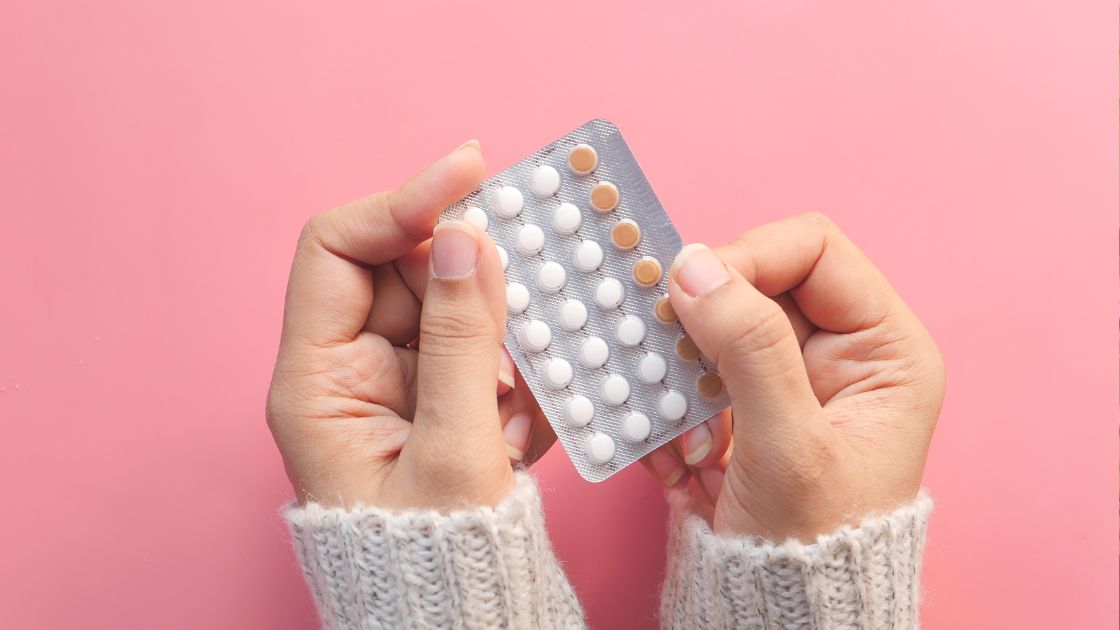
Birth control pills are safe for most women, but they can cause side effects. Some are mild and go away on their own. Others may need a doctor’s attention.

This article covers the most common side effects, the serious ones to watch for, and what you can do about them.

Common Side Effects

Nausea and Upset Stomach

Many women feel a little queasy when they first start the pill. Taking it with food or at bedtime usually helps. This often gets better after the first few months.

Headaches and Mood Changes

Some women get headaches or feel more emotional. This is linked to the hormones in the pill. If headaches are severe or your mood feels very low, talk to your doctor. Our team also helps with stress and depression in Vernon Hills.

Spotting Between Periods

Light bleeding between periods is normal in the first 1–3 months. It usually stops on its own. If it doesn’t, a different pill type may work better for you.

Lower Sex Drive

Some women notice a drop in libido. This is a known hormonal effect. It doesn’t happen to everyone, but it’s worth mentioning to your provider.

Less Common but Serious Side Effects

Blood Clots

Birth control pills slightly raise the risk of blood clots, especially in women who smoke or are over 35. Signs include leg pain, swelling, or chest pain. According to the FDA, this risk is still low for most healthy women.

High Blood Pressure

Hormones in the pill can raise blood pressure in some women. Regular check-ins are important. We offer hypertension management in Vernon Hills if you need support.

Who Should Be Careful?

Women who smoke, have migraines with aura, or have a history of blood clots should talk to a doctor before starting the pill. There are other contraceptive services that may be a better fit.

Final Thoughts

Most women handle birth control pills well. Side effects are often mild and temporary. But if something feels off, don’t ignore it.

At Yorktown Health in Vernon Hills, our team helps women find the right option for their body and lifestyle. Contact us to book an appointment today.

NAD-Peptides-1200x562.png

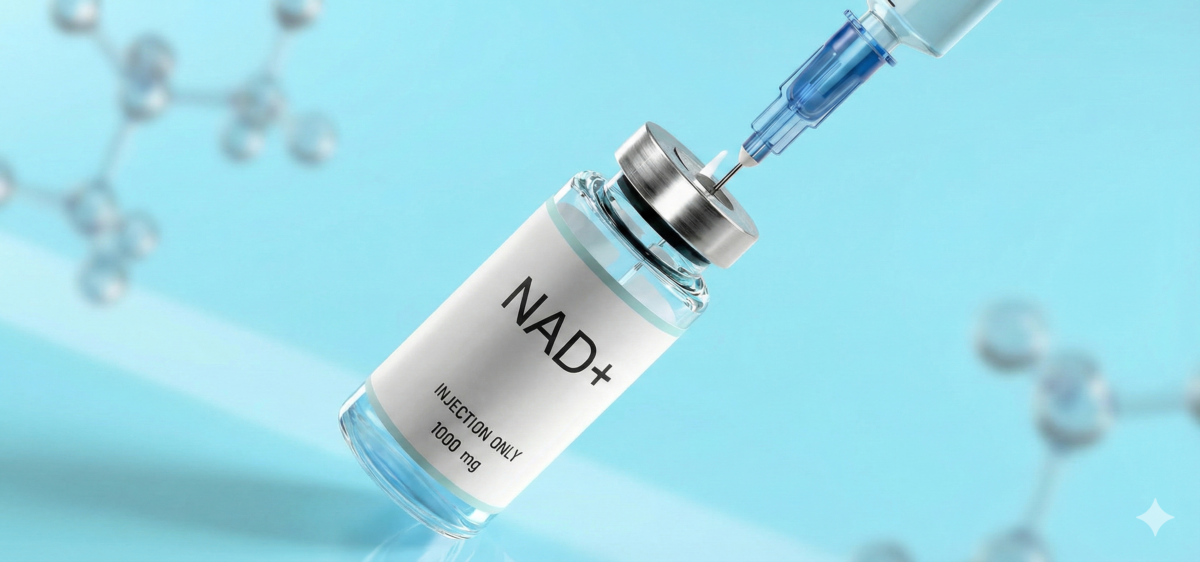
If you’ve been hearing buzz about NAD+ peptides and wondering what all the excitement is about, you’re in the right place. These cutting-edge therapies are transforming how we approach energy, aging, and overall wellness, and for good reason.

What Are NAD+ Peptides?

NAD+ (Nicotinamide Adenine Dinucleotide) is a coenzyme in every cell that powers energy production and DNA repair. The problem? NAD+ levels plummet as we age, dropping by 50% or more by middle age.

NAD+ peptides restore these declining levels, recharging your cells from the inside out.

Key Benefits of NAD+ Peptides

Increased Energy & Reduced Fatigue
NAD+ fuels your mitochondria, the powerhouses of your cells. More NAD+ means more cellular energy, which translates to feeling more vibrant throughout your day.

Enhanced Brain Function
Struggling with brain fog? NAD+ supports neurotransmitter function, memory, and mental clarity for sharper focus.

Anti-Aging & Cellular Repair
NAD+ activates enzymes that repair damaged DNA and protect cells from oxidative stress. This supports healthier aging at the cellular level.

Better Mood & Stress Response
NAD+ plays a role in regulating neurotransmitters that affect mood and emotional well-being, helping you feel more balanced.

Who Should Consider NAD+ Peptides?

You might benefit from NAD+ therapy if you’re experiencing chronic fatigue, brain fog, or general feelings of “slowing down.” It’s also valuable for anyone interested in proactive chronic disease management and longevity strategies.

Many patients combine NAD+ peptides with other wellness approaches like GLP-1 weight loss therapy for comprehensive metabolic support, or incorporate it into their routine during annual physicals as part of preventive care.

What to Expect

NAD+ peptide therapy typically begins with a consultation to assess your health goals and medical history. Treatment can be administered through injections or sublingual protocols, with dosing personalized to your needs. Most patients use NAD+ in cycles for optimal results.

Ready to Boost Your Cellular Health?

If you’re tired of feeling tired and want to explore how NAD+ peptides can help you reclaim your energy and vitality, it’s time to take action. Contact Yorktown Health to schedule your consultation and discover what NAD+ therapy can do for you.

Annual-Exams-1.jpeg

You should get a well-woman exam every year, no matter your age. This includes your Pap test too. Even if you feel perfectly healthy, these yearly visits help catch problems early and keep you well.

A well-woman exam is more than just a quick checkup. It’s your chance to talk about your health, ask questions, and get important screenings. Many women skip their yearly visit because they feel fine. That’s a mistake. These exams help find health issues before they turn into bigger problems.

Why You Need Yearly Exams

Every woman should get a well-woman visit once a year. This applies whether you’re 18 or 80. Your body changes as you age, and what you need at 25 is different from what you need at 55.

Your yearly exam helps with:

  • Finding cancer and other diseases early
  • Checking blood pressure and heart health
  • Talking about birth control options
  • Discussing your mental health
  • Getting vaccines you need
  • Having a Pap test to check for cervical cancer

The Pap Test Matters

Your Pap test should happen every year as part of your well-woman exam. This test looks for changes in your cervix that could lead to cancer. Catching these changes early can save your life.

Don’t skip this important test. It only takes a few minutes but gives you peace of mind for a whole year.

When to Start

Women should start getting annual physicals in their teens or early twenties. Starting early helps you build trust with your doctor and makes future visits easier.

Final Thoughts

Mark your calendar for a yearly well-woman exam. These visits are covered by most insurance as preventative gynecological care. They keep you healthy and help you live your best life. Call today to schedule your exam.

Diabetes.jpg

The main difference is insulin. With Type 1 diabetes, your body makes no insulin at all. With Type 2 diabetes, your body either doesn’t make enough insulin or can’t use it properly.

Both types make blood sugar too high, but they happen for different reasons and need different care. About 90-95% of people with diabetes have Type 2, while Type 1 affects about 5-10%.

How Type 1 Diabetes Works

Type 1 is an autoimmune disease. Your body’s defense system attacks the cells in your pancreas that make insulin. These cells get destroyed, so you can’t make any insulin.

Most people get Type 1 as kids or young adults, but it can happen at any age. Symptoms often appear quickly. You might notice:

  • Going to the bathroom a lot
  • Feeling very thirsty
  • Losing weight without trying
  • Feeling tired all the time

Type 1 cannot be prevented. People with Type 1 must take insulin every day to stay alive.

How Type 2 Diabetes Works

Type 2 develops slowly over many years. Your body still makes some insulin, but your cells don’t respond to it well. This is called insulin resistance. Your pancreas works harder to make more insulin, but eventually it can’t keep up.

Type 2 often affects adults over 40, but more young people are getting it now. Many people don’t know they have it because symptoms come on slowly.

Risk factors include being overweight, not exercising, and having family history. Unlike Type 1, you can often prevent or delay Type 2 with healthy eating, exercise, and weight management.

Treatment Differences

Type 1 always requires insulin shots or an insulin pump. There’s no other way to treat it.

Type 2 can often be managed with lifestyle changes, pills, and sometimes insulin. Your doctor creates a plan for diabetes management based on your needs. 

Final Thoughts

Both types are serious, but they’re managed differently. If you have symptoms or risk factors, talk to our doctor. Early testing and proper care help prevent complications.

Mammograms.jpeg

Women should start getting mammograms at age 40. In 2024, the U.S. Preventive Services Task Force changed their guidelines to recommend all women begin screening at 40 instead of 50.

This change matters because breast cancer cases in women ages 40 to 49 have been rising. The CDC reports that cases in women under 45 increased 1.1% each year from 2012 to 2022. Early screening saves lives.

How Often Should You Get Mammograms?

Most health groups recommend:

  • Ages 40-74: Get a mammogram every year
  • After 74: Talk with your doctor about continuing

Some doctors say yearly mammograms catch fast-growing cancers better. Others say every two years works well. Discuss with one of our women’s health providers what’s best for you. 

Who Needs Mammograms Earlier?

Some women should start before age 40. You might need earlier screening if you have:

  • Family history of breast cancer
  • Known BRCA1 or BRCA2 gene changes
  • Chest radiation before age 30
  • Very dense breast tissue

High-risk women often start mammograms at age 30. They may also need breast MRI scans. Talk to your doctor about genetic testing if breast cancer runs in your family.

Why Age 40 Matters

One in six breast cancers happens in women in their 40s. These cancers can be more aggressive than those found in older women. Black women face higher risks and benefits especially from starting at 40.

Early detection means easier treatment and better survival rates. When caught early, breast cancer survival is nearly 100%.

Final Thoughts

Don’t wait to schedule your first mammogram. If you’re 40 or older, it’s time to get screened. Talk with your doctor during your annual physical about breast cancer screening. Early detection saves lives, make your appointment today.

The-Importance-of-Regular-Check-Ups.jpg

Most people with high blood pressure have no symptoms at all. This is why high blood pressure is often referred to as a “silent killer,” as it can be present for years without causing noticeable symptoms. Nearly half of American adults have high blood pressure, and about 1 in 5 don’t even know it.

The only way to know if you have high blood pressure is to get it checked by a doctor. Regular annual physicals can catch problems early.

Why High Blood Pressure Has No Signs

Your blood pressure can rise very slowly over many years. Your body gets used to it, so you don’t feel different. The pressure quietly damages your heart, blood vessels, and kidneys without warning.

When You Might Feel Something

If your blood pressure gets very high (180/120 or higher), you might notice:

  • Severe headaches
  • Shortness of breath
  • Nosebleeds
  • Dizziness or feeling confused
  • Chest pain
  • Blurred vision

These symptoms mean you need help right away. Call 911 if you have any of these signs with very high blood pressure.

How to Protect Yourself

Since you can’t feel high blood pressure, you need to:

  1. Get your blood pressure checked at least once a year
  2. Know your numbers (normal is less than 120/80)
  3. Follow your doctor’s advice for hypertension management

Adults over 40 and people with family history need checks more often. Talk to one of our healthcare providers about how often you should be tested.

Final Thoughts

High blood pressure usually doesn’t make you feel sick. Don’t wait for warning signs. The best protection is regular checkups. If you need blood pressure screening or chronic disease management, schedule an appointment today. Early detection saves lives.

FibroScan-vs-Liver-Biopsy.webp

FibroScan and liver biopsy both check liver health, but they work very differently. FibroScan is a painless scan that uses sound waves, while a biopsy removes a tiny piece of liver tissue with a needle. Most doctors now prefer FibroScan because it’s safer and faster.

What Is FibroScan?

FibroScan is a special ultrasound test. It checks liver stiffness and fat without needles. The test takes about 5-10 minutes.

A small device sits on your skin near your liver. It sends gentle sound waves through your body. The machine gives two scores: liver stiffness and fat content. You get results right away with no recovery time needed.

What Is a Liver Biopsy?

A liver biopsy removes a small tissue sample from your liver. Doctors look at it under a microscope to check for disease.

The doctor numbs your skin, then puts a thin needle through your belly into your liver. The whole process takes 20-30 minutes. Most people feel some pain where the needle went in. You must rest for 3-4 hours after the test.

Key Differences at a Glance

Feature FibroScan Liver Biopsy
Pain Level None Some pain
Time Needed 5-10 minutes 20-30 minutes
Recovery None Several days
Risks Very few Bleeding possible
Results Immediate Takes days

Which Test Should You Get?

Your doctor picks the right test based on what they need to find out.

Choose FibroScan when:

  • Checking for fatty liver disease
  • Monitoring liver health over time
  • You need quick, safe results

Choose liver biopsy when:

  • Doctors need very detailed information
  • Other tests show unclear results
  • FibroScan results don’t match other findings

For many people with chronic disease management needs, FibroScan offers a comfortable first step.

Final Thoughts

FibroScan is painless, fast, and safe for most people. Liver biopsy gives more detailed information but comes with some risks and recovery time.

Talk to your doctor about which test fits your needs. At Yorktown Health Vernon Hills Primary Care, our team can help you make the best choice for your health. Schedule an annual physical to discuss testing options.

High-Blood-Pressure-1200x800.jpg

You can lower high blood pressure naturally through simple changes to your daily habits. Things like eating better foods, moving your body more, and managing stress can make a real difference in your numbers.

High blood pressure affects nearly half of American adults. The good news? You have more control than you think.

Eat Heart-Healthy Foods

What you eat matters a lot. The DASH diet lowers blood pressure by 11 points in people with high readings.

Focus on these foods:

  • Fresh fruits and vegetables
  • Whole grains like brown rice and oats
  • Fish, chicken, and beans
  • Low-fat milk, yogurt, and cheese

Cut back on salt. Most of us eat way too much. Try to keep it under 1,500 mg per day. Skip processed foods since they hide lots of salt.

Move Your Body Daily

Exercise drops blood pressure by 5 to 8 points. 

Try these:

  • Walk for 30 minutes daily 
  • Swim or bike
  • Do yard work or dancing
  • Take the stairs

At Yorktown Health Vernon Hills Primary Care, we help patients find exercise plans that fit their lives.

Manage Your Weight

Losing just 5% of your body weight can help. For a 200-pound person, that’s only 10 pounds. Every pound lost can drop your blood pressure by 1 point.

Reduce Stress

Stress makes your blood pressure go up. Try deep breathing for a few minutes each day. Do things you enjoy. Get enough sleep—at least 7 hours nightly.

Final Thoughts

Small changes add up to big results. Start with one thing today. Maybe take a walk or add more veggies to dinner.

Need help managing your blood pressure? At Yorktown Health Vernon Hills Primary Care, our team offers complete hypertension management and chronic disease care. We’re here to support your health journey. Contact us to get started today.

Vaccines.jpg

Yes, adults need vaccines too. Getting shots isn’t just for kids. Your body’s protection from old vaccines can wear off over time. Plus, you face different health risks as you get older.

This guide explains which vaccines keep you healthy at every age.

Why Adults Need Vaccines

Many people think they’re done with shots after childhood. That’s not true. Your protection from vaccines can wear off, you face different disease risks as you age, and new vaccines get developed.

Staying current with your vaccines helps you avoid serious illness. It also protects your family and friends.

Core Vaccines Every Adult Needs

Flu Shot

Get a flu vaccine every year, usually in the fall. This is one of the best things you can do to protect your health. People 65 and older can get a stronger version.

Tdap Booster

This protects against tetanus, diphtheria, and whooping cough. You need one dose every 10 years. Pregnant women should get it during each pregnancy.

COVID-19 Vaccine

Adults should get updated COVID-19 shots. Those 65 and older may need extra doses.

Age-Based Vaccines

Ages 50 and Up 

  • Shingles vaccine: Two doses separated by 2-6 months
  • Pneumonia vaccine: Helps to lessen the severity and symptoms related to pneumonia
  • RSV vaccine: Recommended for adults 75+ or those 50-74 with health risks

Younger Adults

You might need vaccines for HPV, hepatitis B, or MMR based on your birth year and vaccination history.

Get Your Vaccines at Yorktown Health

Our team at Yorktown Health Vernon Hills Primary Care provides complete immunization services for adults. We’ll check your records and help you stay protected.

During your annual physical, we review which vaccines you need based on your age and health.

Final Thoughts

Don’t skip adult vaccines. They keep you healthy and prevent serious diseases. Talk to your doctor about which shots you need. Most insurance covers vaccines recommended by the CDC.

Ready to update your shots? Contact us to schedule your appointment in Yorktown Health Vernon Hills Primary Care today.

Diabetes.jpg

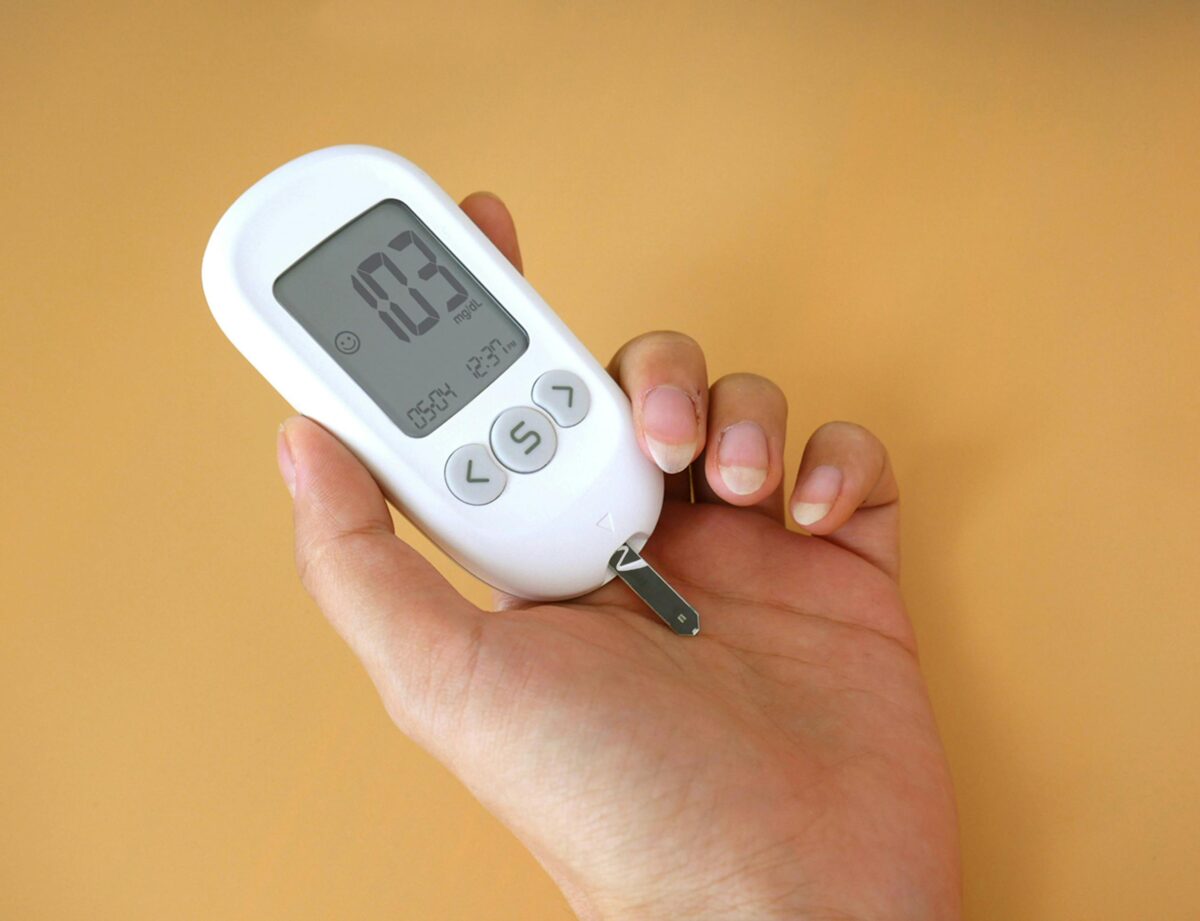
Diabetes shows up with clear warning signs like feeling very thirsty, needing to pee a lot (especially at night), feeling tired all the time, and losing weight without trying. You might also notice blurry vision or cuts that heal slowly. Over 38 million Americans have diabetes, and many don’t even know it yet.

Catching these signs early can change everything. This article walks you through what to watch for and when to see a doctor.

The Most Common Warning Signs

Frequent Urination and Extreme Thirst

This is often the first sign people notice. Your kidneys work hard to filter extra sugar from your blood. When there’s too much, it spills into your urine, pulling water with it.

You’ll find yourself getting up multiple times at night to use the bathroom. All that extra peeing leaves you dried out, so you feel thirsty all day long. Nothing seems to satisfy that thirst.

Constant Fatigue and Weight Loss

You feel exhausted after doing almost nothing. This happens because your cells can’t get energy from the sugar in your blood.

Losing weight without trying is another red flag. Your body starts burning muscle and fat for energy because it can’t use blood sugar properly.

Blurry Vision and Slow Healing

High blood sugar changes fluid levels around your eye lens, making your vision blurry. One day things look clear, the next day everything’s fuzzy.

Small cuts and bruises take forever to heal. High blood sugar slows down your body’s natural healing and affects blood flow.

When to See Your Doctor

Don’t wait until symptoms get worse. Make an appointment if you notice constant thirst, frequent urination, unexplained weight loss, or ongoing fatigue.

Diabetes management works better when you start early. A simple blood test can check your sugar levels and give you answers.

Final Thoughts

Your body gives you clues long before diabetes becomes a major problem. Catching it early means better treatment and fewer complications down the road.

If something feels off, trust that feeling. Schedule an annual physical or visit your healthcare team. A quick check now beats years of problems later.

YorktownHealthVernonHills

Yorktown Health Vernon Hills, previously Lodd Medical Group, is dedicated to providing comprehensive Family Medicine services to the local community and its families. Our mission remains the same - to make you feel and stay healthy. Whether you’re coming in for a regular checkup or an urgent treatment, our dedicated team of health practitioners have the skills and resources to take care of your needs.

Fax Number(224) 206-7162 Visit Us:6 East Phillip Road #1108, Vernon Hills, IL 60061 (Inside Advocate Outpatient Center Building)

© 2026 Copyright Yorktown Health Vernon Hills, Managed by RankingMad.com