
Yorktown Health Vernon Hills
Annual-Exams-1.jpeg

You should get a well-woman exam every year, no matter your age. This includes your Pap test too. Even if you feel perfectly healthy, these yearly visits help catch problems early and keep you well.

A well-woman exam is more than just a quick checkup. It’s your chance to talk about your health, ask questions, and get important screenings. Many women skip their yearly visit because they feel fine. That’s a mistake. These exams help find health issues before they turn into bigger problems.

Why You Need Yearly Exams

Every woman should get a well-woman visit once a year. This applies whether you’re 18 or 80. Your body changes as you age, and what you need at 25 is different from what you need at 55.

Your yearly exam helps with:

  • Finding cancer and other diseases early
  • Checking blood pressure and heart health
  • Talking about birth control options
  • Discussing your mental health
  • Getting vaccines you need
  • Having a Pap test to check for cervical cancer

The Pap Test Matters

Your Pap test should happen every year as part of your well-woman exam. This test looks for changes in your cervix that could lead to cancer. Catching these changes early can save your life.

Don’t skip this important test. It only takes a few minutes but gives you peace of mind for a whole year.

When to Start

Women should start getting annual physicals in their teens or early twenties. Starting early helps you build trust with your doctor and makes future visits easier.

Final Thoughts

Mark your calendar for a yearly well-woman exam. These visits are covered by most insurance as preventative gynecological care. They keep you healthy and help you live your best life. Call today to schedule your exam.
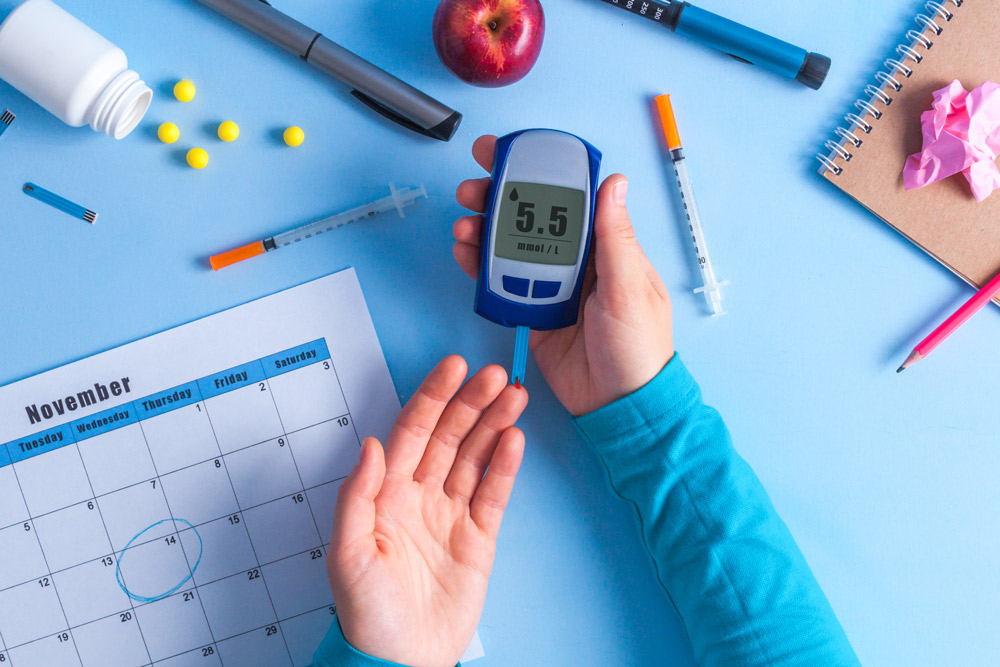

Diabetes.jpg

The main difference is insulin. With Type 1 diabetes, your body makes no insulin at all. With Type 2 diabetes, your body either doesn’t make enough insulin or can’t use it properly.

Both types make blood sugar too high, but they happen for different reasons and need different care. About 90-95% of people with diabetes have Type 2, while Type 1 affects about 5-10%.

How Type 1 Diabetes Works

Type 1 is an autoimmune disease. Your body’s defense system attacks the cells in your pancreas that make insulin. These cells get destroyed, so you can’t make any insulin.

Most people get Type 1 as kids or young adults, but it can happen at any age. Symptoms often appear quickly. You might notice:

  • Going to the bathroom a lot
  • Feeling very thirsty
  • Losing weight without trying
  • Feeling tired all the time

Type 1 cannot be prevented. People with Type 1 must take insulin every day to stay alive.

How Type 2 Diabetes Works

Type 2 develops slowly over many years. Your body still makes some insulin, but your cells don’t respond to it well. This is called insulin resistance. Your pancreas works harder to make more insulin, but eventually it can’t keep up.

Type 2 often affects adults over 40, but more young people are getting it now. Many people don’t know they have it because symptoms come on slowly.

Risk factors include being overweight, not exercising, and having family history. Unlike Type 1, you can often prevent or delay Type 2 with healthy eating, exercise, and weight management.

Treatment Differences

Type 1 always requires insulin shots or an insulin pump. There’s no other way to treat it.

Type 2 can often be managed with lifestyle changes, pills, and sometimes insulin. Your doctor creates a plan for diabetes management based on your needs. 

Final Thoughts

Both types are serious, but they’re managed differently. If you have symptoms or risk factors, talk to our doctor. Early testing and proper care help prevent complications.

Mammograms.jpeg

Women should start getting mammograms at age 40. In 2024, the U.S. Preventive Services Task Force changed their guidelines to recommend all women begin screening at 40 instead of 50.

This change matters because breast cancer cases in women ages 40 to 49 have been rising. The CDC reports that cases in women under 45 increased 1.1% each year from 2012 to 2022. Early screening saves lives.

How Often Should You Get Mammograms?

Most health groups recommend:

  • Ages 40-74: Get a mammogram every year
  • After 74: Talk with your doctor about continuing

Some doctors say yearly mammograms catch fast-growing cancers better. Others say every two years works well. Discuss with one of our women’s health providers what’s best for you. 

Who Needs Mammograms Earlier?

Some women should start before age 40. You might need earlier screening if you have:

  • Family history of breast cancer
  • Known BRCA1 or BRCA2 gene changes
  • Chest radiation before age 30
  • Very dense breast tissue

High-risk women often start mammograms at age 30. They may also need breast MRI scans. Talk to your doctor about genetic testing if breast cancer runs in your family.

Why Age 40 Matters

One in six breast cancers happens in women in their 40s. These cancers can be more aggressive than those found in older women. Black women face higher risks and benefits especially from starting at 40.

Early detection means easier treatment and better survival rates. When caught early, breast cancer survival is nearly 100%.

Final Thoughts

Don’t wait to schedule your first mammogram. If you’re 40 or older, it’s time to get screened. Talk with your doctor during your annual physical about breast cancer screening. Early detection saves lives, make your appointment today.

The-Importance-of-Regular-Check-Ups.jpg

Most people with high blood pressure have no symptoms at all. This is why high blood pressure is often referred to as a “silent killer,” as it can be present for years without causing noticeable symptoms. Nearly half of American adults have high blood pressure, and about 1 in 5 don’t even know it.

The only way to know if you have high blood pressure is to get it checked by a doctor. Regular annual physicals can catch problems early.

Why High Blood Pressure Has No Signs

Your blood pressure can rise very slowly over many years. Your body gets used to it, so you don’t feel different. The pressure quietly damages your heart, blood vessels, and kidneys without warning.

When You Might Feel Something

If your blood pressure gets very high (180/120 or higher), you might notice:

  • Severe headaches
  • Shortness of breath
  • Nosebleeds
  • Dizziness or feeling confused
  • Chest pain
  • Blurred vision

These symptoms mean you need help right away. Call 911 if you have any of these signs with very high blood pressure.

How to Protect Yourself

Since you can’t feel high blood pressure, you need to:

  1. Get your blood pressure checked at least once a year
  2. Know your numbers (normal is less than 120/80)
  3. Follow your doctor’s advice for hypertension management

Adults over 40 and people with family history need checks more often. Talk to one of our healthcare providers about how often you should be tested.

Final Thoughts

High blood pressure usually doesn’t make you feel sick. Don’t wait for warning signs. The best protection is regular checkups. If you need blood pressure screening or chronic disease management, schedule an appointment today. Early detection saves lives.

FibroScan-vs-Liver-Biopsy.webp

FibroScan and liver biopsy both check liver health, but they work very differently. FibroScan is a painless scan that uses sound waves, while a biopsy removes a tiny piece of liver tissue with a needle. Most doctors now prefer FibroScan because it’s safer and faster.

What Is FibroScan?

FibroScan is a special ultrasound test. It checks liver stiffness and fat without needles. The test takes about 5-10 minutes.

A small device sits on your skin near your liver. It sends gentle sound waves through your body. The machine gives two scores: liver stiffness and fat content. You get results right away with no recovery time needed.

What Is a Liver Biopsy?

A liver biopsy removes a small tissue sample from your liver. Doctors look at it under a microscope to check for disease.

The doctor numbs your skin, then puts a thin needle through your belly into your liver. The whole process takes 20-30 minutes. Most people feel some pain where the needle went in. You must rest for 3-4 hours after the test.

Key Differences at a Glance

Feature FibroScan Liver Biopsy
Pain Level None Some pain
Time Needed 5-10 minutes 20-30 minutes
Recovery None Several days
Risks Very few Bleeding possible
Results Immediate Takes days

Which Test Should You Get?

Your doctor picks the right test based on what they need to find out.

Choose FibroScan when:

  • Checking for fatty liver disease
  • Monitoring liver health over time
  • You need quick, safe results

Choose liver biopsy when:

  • Doctors need very detailed information
  • Other tests show unclear results
  • FibroScan results don’t match other findings

For many people with chronic disease management needs, FibroScan offers a comfortable first step.

Final Thoughts

FibroScan is painless, fast, and safe for most people. Liver biopsy gives more detailed information but comes with some risks and recovery time.

Talk to your doctor about which test fits your needs. At Yorktown Health Vernon Hills Primary Care, our team can help you make the best choice for your health. Schedule an annual physical to discuss testing options.

High-Blood-Pressure-1200x800.jpg

You can lower high blood pressure naturally through simple changes to your daily habits. Things like eating better foods, moving your body more, and managing stress can make a real difference in your numbers.

High blood pressure affects nearly half of American adults. The good news? You have more control than you think.

Eat Heart-Healthy Foods

What you eat matters a lot. The DASH diet lowers blood pressure by 11 points in people with high readings.

Focus on these foods:

  • Fresh fruits and vegetables
  • Whole grains like brown rice and oats
  • Fish, chicken, and beans
  • Low-fat milk, yogurt, and cheese

Cut back on salt. Most of us eat way too much. Try to keep it under 1,500 mg per day. Skip processed foods since they hide lots of salt.

Move Your Body Daily

Exercise drops blood pressure by 5 to 8 points. 

Try these:

  • Walk for 30 minutes daily 
  • Swim or bike
  • Do yard work or dancing
  • Take the stairs

At Yorktown Health Vernon Hills Primary Care, we help patients find exercise plans that fit their lives.

Manage Your Weight

Losing just 5% of your body weight can help. For a 200-pound person, that’s only 10 pounds. Every pound lost can drop your blood pressure by 1 point.

Reduce Stress

Stress makes your blood pressure go up. Try deep breathing for a few minutes each day. Do things you enjoy. Get enough sleep—at least 7 hours nightly.

Final Thoughts

Small changes add up to big results. Start with one thing today. Maybe take a walk or add more veggies to dinner.

Need help managing your blood pressure? At Yorktown Health Vernon Hills Primary Care, our team offers complete hypertension management and chronic disease care. We’re here to support your health journey. Contact us to get started today.

Vaccines.jpg

Yes, adults need vaccines too. Getting shots isn’t just for kids. Your body’s protection from old vaccines can wear off over time. Plus, you face different health risks as you get older.

This guide explains which vaccines keep you healthy at every age.

Why Adults Need Vaccines

Many people think they’re done with shots after childhood. That’s not true. Your protection from vaccines can wear off, you face different disease risks as you age, and new vaccines get developed.

Staying current with your vaccines helps you avoid serious illness. It also protects your family and friends.

Core Vaccines Every Adult Needs

Flu Shot

Get a flu vaccine every year, usually in the fall. This is one of the best things you can do to protect your health. People 65 and older can get a stronger version.

Tdap Booster

This protects against tetanus, diphtheria, and whooping cough. You need one dose every 10 years. Pregnant women should get it during each pregnancy.

COVID-19 Vaccine

Adults should get updated COVID-19 shots. Those 65 and older may need extra doses.

Age-Based Vaccines

Ages 50 and Up 

  • Shingles vaccine: Two doses separated by 2-6 months
  • Pneumonia vaccine: Helps to lessen the severity and symptoms related to pneumonia
  • RSV vaccine: Recommended for adults 75+ or those 50-74 with health risks

Younger Adults

You might need vaccines for HPV, hepatitis B, or MMR based on your birth year and vaccination history.

Get Your Vaccines at Yorktown Health

Our team at Yorktown Health Vernon Hills Primary Care provides complete immunization services for adults. We’ll check your records and help you stay protected.

During your annual physical, we review which vaccines you need based on your age and health.

Final Thoughts

Don’t skip adult vaccines. They keep you healthy and prevent serious diseases. Talk to your doctor about which shots you need. Most insurance covers vaccines recommended by the CDC.

Ready to update your shots? Contact us to schedule your appointment in Yorktown Health Vernon Hills Primary Care today.

Diabetes.jpg

Diabetes shows up with clear warning signs like feeling very thirsty, needing to pee a lot (especially at night), feeling tired all the time, and losing weight without trying. You might also notice blurry vision or cuts that heal slowly. Over 38 million Americans have diabetes, and many don’t even know it yet.

Catching these signs early can change everything. This article walks you through what to watch for and when to see a doctor.

The Most Common Warning Signs

Frequent Urination and Extreme Thirst

This is often the first sign people notice. Your kidneys work hard to filter extra sugar from your blood. When there’s too much, it spills into your urine, pulling water with it.

You’ll find yourself getting up multiple times at night to use the bathroom. All that extra peeing leaves you dried out, so you feel thirsty all day long. Nothing seems to satisfy that thirst.

Constant Fatigue and Weight Loss

You feel exhausted after doing almost nothing. This happens because your cells can’t get energy from the sugar in your blood.

Losing weight without trying is another red flag. Your body starts burning muscle and fat for energy because it can’t use blood sugar properly.

Blurry Vision and Slow Healing

High blood sugar changes fluid levels around your eye lens, making your vision blurry. One day things look clear, the next day everything’s fuzzy.

Small cuts and bruises take forever to heal. High blood sugar slows down your body’s natural healing and affects blood flow.

When to See Your Doctor

Don’t wait until symptoms get worse. Make an appointment if you notice constant thirst, frequent urination, unexplained weight loss, or ongoing fatigue.

Diabetes management works better when you start early. A simple blood test can check your sugar levels and give you answers.

Final Thoughts

Your body gives you clues long before diabetes becomes a major problem. Catching it early means better treatment and fewer complications down the road.

If something feels off, trust that feeling. Schedule an annual physical or visit your healthcare team. A quick check now beats years of problems later.

chronic.jpeg

How often you should check your blood sugar depends on the type of diabetes you have and the medicines you take. People with type 1 diabetes usually check 4 to 10 times a day. People with type 2 diabetes who take insulin may check several times daily. If you manage diabetes with diet alone, you might not need to check every day.

This guide will help you understand when to check, what the numbers mean, and how to create a testing plan that works for you.

Why Blood Sugar Checking Matters

Checking your blood sugar is like checking the gas gauge in your car. It tells you where you are right now and helps you make smart choices about what to do next.

The Centers for Disease Control and Prevention considers regular blood sugar testing the most important action you can take in managing type 1 and type 2 diabetes. When you check regularly, you learn how food, exercise, stress, and medicine affect your numbers.

Here’s what regular checking helps you do:

Track how well your diabetes plan is working. Checking shows if your medicine doses are right or need changes.

Catch problems early. You can spot high or low blood sugar before it becomes serious.

Make better food choices. You’ll see which foods make your sugar spike and which keep it steady.

Stay safe during exercise. Testing before and after helps prevent dangerous lows.

Understand your patterns. Morning numbers, after-meal numbers, and bedtime numbers all tell a story about your body.

How Often to Check Based on Your Diabetes Type

Type 1 Diabetes Testing Schedule

If you have type 1 diabetes, your healthcare professional may suggest a continuous glucose monitor or blood sugar testing 4 to 10 times a day. Your pancreas doesn’t make insulin anymore, so your blood sugar can change quickly.

You’ll need to check:

  • Before every meal and snack
  • Before, during, and after exercise
  • Before you go to bed
  • Sometimes in the middle of the night
  • After treating low blood sugar
  • More often when you’re sick
  • More often if you change your routine or start new medicine

Think of it this way: every time you eat or move, your blood sugar responds. Checking helps you stay one step ahead.

Type 2 Diabetes Testing Schedule

If you take insulin to manage type 2 diabetes, your healthcare professional might recommend a continuous glucose monitor or blood sugar testing several times a day. The exact number of times depends on the type and amount of insulin you use.

Your testing schedule depends on your treatment:

If you take insulin: Check before meals and at bedtime. If you take insulin more than once a day, you may need to check 3 to 6 times daily. The American Diabetes Association recommends that most people using intensive insulin regimens assess glucose concentrations prior to meals and snacks, at bedtime, prior to exercise, when they suspect low blood sugar, after treating low blood sugar until they are normal, and prior to performing critical tasks such as driving.

If you take other diabetes pills: Your doctor will tell you how often to check. Some people check once a day, others check a few times a week.

If you manage with diet and exercise only: You might not need daily checks. Your doctor may ask you to check a few times a week to make sure your plan is working.

Prediabetes Monitoring

If you have prediabetes, higher-than-normal blood sugar levels, you should get your blood sugar checked annually. Your doctor may also suggest checking at home sometimes to see how food affects your numbers.

Gestational Diabetes Testing

If you have gestational diabetes, you will need to check your blood sugar levels a few times a day for the rest of your pregnancy. Most women check four times daily: once in the morning before eating and after each meal.

Your diabetes team will give you exact times and target numbers. This helps keep both you and your baby healthy during pregnancy.

Best Times of Day to Check Blood Sugar

Timing matters just as much as frequency. Different times give different information about how your body handles sugar.

Fasting Blood Sugar (Morning Check)

Testing before you’ve had anything to eat or drink in the morning, also known as a fasting blood sugar, can let you know how well your body manages blood sugar while you sleep. This is usually your first check of the day, right after you wake up.

A good fasting number for most people with diabetes is 80 to 130 mg/dL. Your target might be different, so ask your doctor what’s right for you.

Before Meals

Checking before you eat helps you decide if you need extra insulin or if you should wait before eating. When testing in pairs (pre-meal and post-meal), a pre-meal reading can act as a reference for how the food you eat and any pre-meal medications affect your glucose levels.

Pre-meal targets are usually 80 to 130 mg/dL for most adults with diabetes.

After Meals

Check your blood sugar 2 hours after you start eating. This shows how your body handled that meal. Two hours after the start of a meal, blood sugar should be less than 180 mg/dL.

If your after-meal numbers are often high, you might need to:

  • Eat smaller portions
  • Choose foods with less carbs
  • Add more protein or healthy fats
  • Adjust your medicine with your doctor’s help

Before Bed

Bedtime checks help you stay safe while sleeping. If your blood sugar is too low at bedtime, you could have problems during the night. If it’s too high, you might wake up with a high number.

Most people aim for 100 to 140 mg/dL at bedtime, but your target may be different.

During the Night

For people with newly diagnosed type 1 diabetes, those at risk for severe hypoglycemia, or those who have other medical needs, testing during the night may be advised. Common times to test at night are right before bed, 2 hours after you fall asleep and at 3:00 a.m.

Keep juice or glucose tablets by your bed in case you need to treat low blood sugar quickly.

Before and After Exercise

Since exercise often lowers blood sugar, it is important to check your blood sugar before a workout and to have a snack if blood sugar is below your target to help prevent hypoglycemia.

Physical activity can drop your sugar quickly or make it rise, depending on what you do and how long you do it. Check before you start and again after you finish.

Understanding Your Blood Sugar Numbers

Knowing your numbers is half the battle. Understanding what they mean is the other half.

Normal Blood Sugar Ranges

Normal fasting blood glucose levels range between 70 and 100 mg/dL. Blood sugar targets vary for each person depending on several factors, such as whether you have diabetes.

For people without diabetes:

  • Fasting (morning): 70 to 99 mg/dL
  • After eating: Under 140 mg/dL

Target Ranges for Diabetes

A blood sugar target is the range you try to reach as much as possible. Before a meal: 80 to 130 mg/dL. Two hours after the start of a meal: less than 180 mg/dL.

Your personal targets depend on:

  • How long you’ve had diabetes
  • Your age
  • Other health problems you have
  • If you’re pregnant
  • How often you have low blood sugar

Prediabetes Range

A blood sugar of 100 mg/dL or higher is considered abnormal. A range of 100-125 mg/dL falls under the category of prediabetes. If your fasting blood sugar falls in this range, work with your doctor to prevent type 2 diabetes.

When Blood Sugar Is Too Low

For most people with diabetes, hypoglycemia is when your blood sugar level is below 70 milligrams per deciliter or 3.9 millimoles per liter. Low blood sugar needs quick treatment.

Signs your blood sugar is low:

  • Shaking or trembling
  • Sweating
  • Fast heartbeat
  • Feeling hungry suddenly
  • Feeling dizzy or confused
  • Feeling cranky or anxious

If your blood sugar drops below 70 mg/dL, follow the 15-15 rule: Eat or drink 15 grams of fast-acting carbs to raise your blood sugar. After 15 minutes, check your blood sugar. If it’s still below 70 mg/dL, have another 15 grams of fast-acting carbs. Repeat until your blood sugar is at least 70 mg/dL.

Fast-acting carbs include:

  • 4 glucose tablets
  • Half a cup of juice
  • Half a cup of regular soda (not diet)
  • 1 tablespoon of honey or sugar

When Blood Sugar Is Too High

Blood sugar over 180 mg/dL after meals is too high for most people. If you’re sick and your blood sugar is 240 mg/dL or above, use an over-the-counter ketone test kit to check for ketones. High ketones can be dangerous and need immediate medical care.

Signs your blood sugar is high:

  • Feeling very thirsty
  • Needing to pee more often
  • Feeling tired
  • Having blurry vision
  • Getting headaches

Two Ways to Check Blood Sugar

You have two main options for checking your blood sugar at home.

Blood Sugar Meters (Finger Stick Method)

The most common type of blood sugar monitoring involves using a glucose meter and test strips. This is a “finger stick check.” You prick your fingertip with a small needle called a lancet to produce a blood drop.

Here’s how to do a finger stick test:

  1. Wash your hands with soap and warm water. Dry them completely.
  2. Put a test strip in your meter.
  3. Use the lancet to prick the side of your fingertip.
  4. Squeeze gently to get a drop of blood.
  5. Touch the test strip to the blood drop.
  6. Wait a few seconds for your number to appear.
  7. Write down your result with the date and time.

Tips for easier testing:

  • Prick the side of your finger, not the pad. It hurts less.
  • Rotate which fingers you use to avoid sore spots.
  • Hold your hand down to help blood flow to your fingers.
  • Keep your meter and strips at room temperature.

Continuous Glucose Monitors (CGMs)

Continuous glucose monitors measure blood sugar every few minutes. They use a device placed on the skin along with a sensor placed under the skin. These disposable sensors last for 10 days to two weeks before they need to be changed.

CGMs have several benefits:

  • No finger sticks (or very few)
  • See your sugar levels 24/7
  • Get alerts when your sugar goes too high or low
  • See how fast your sugar is rising or falling
  • Review patterns over days or weeks

Most people with type 1 and type 2 diabetes should aim for a time in range of at least 70 percent of readings, meaning 70 percent of readings, you should aim for roughly 17 out of 24 hours each day to be in range (not high or low).

CGMs work great for people who:

  • Take insulin multiple times daily
  • Have trouble feeling when blood sugar goes low
  • Want to see trends and patterns
  • Are pregnant with diabetes
  • Have type 1 diabetes

When to Check More Often

Sometimes you need to check your blood sugar more than usual.

When You’re Sick

Illness makes blood sugar harder to control. Even a cold can make your numbers jump. Check at least 4 times a day when you’re sick, or as often as your doctor suggests.

When Starting New Medicine

New diabetes medicine can change your blood sugar in unexpected ways. Check more often for the first few weeks to see how the new medicine affects you.

When Changing Your Routine

Travel, new work schedules, or big life changes can throw off your diabetes control. Extra checks help you stay safe during these times.

Before Driving

People using intensive insulin regimens should assess glucose concentrations prior to performing critical tasks such as driving. Low blood sugar while driving is dangerous. Always check if you feel off before getting behind the wheel.

During Pregnancy

Pregnancy changes how your body uses insulin. Women with diabetes often need to check 4 to 8 times daily during pregnancy to keep both mom and baby healthy.

Creating Your Personal Testing Schedule

Your testing schedule should fit your life and your diabetes type. Here’s a simple way to start if you don’t have a schedule yet.

If you don’t have a schedule yet, try starting out by checking 2 times a day in the following pattern: Day 1: Before breakfast and 2 hours after starting breakfast. Day 2: Before lunch and 2 hours after starting lunch. Day 3: Before dinner and 2 hours after starting dinner. Repeat this pattern for 1 month.

This rotation helps you see patterns at different times without checking constantly. After a month, bring your meter to your doctor appointment. Together, you can look at your numbers and adjust your plan.

Questions to ask your doctor:

  • What are my personal target ranges?
  • How many times should I check each day?
  • What times are most important for me?
  • When should I call if my numbers are off?
  • Do I need a CGM instead of finger sticks?

Keeping Track of Your Results

Writing down your blood sugar numbers helps you and your doctor see patterns. Many meters save your results and connect to your phone or computer.

What to record:

  • Date and time
  • Blood sugar number
  • What you ate
  • If you exercised
  • Any medicine you took
  • How you felt

You might notice patterns like:

  • Your morning numbers are always high
  • Certain foods make your sugar spike
  • Exercise drops your sugar too much
  • Stress makes your numbers go up

Share these patterns with your doctor. Together, you can make a plan to handle them.

Managing Your Diabetes at Yorktown Health

Living with diabetes means regular checkups with a healthcare team that knows you well. At Yorktown Health, we provide comprehensive diabetes management services for families in Vernon Hills.

Our team helps you:

  • Set personal blood sugar targets
  • Learn when and how to check
  • Understand your numbers
  • Adjust medicines as needed
  • Manage diabetes during pregnancy

We also offer annual physicals for adults and chronic disease management to keep your diabetes in control and prevent problems.

Tools and Tips for Easier Testing

Making blood sugar checking easier helps you stick with it.

Keep supplies in multiple places: Have a meter and strips in your car, at work, and in your purse or backpack. You’re more likely to check if supplies are handy.

Set reminders: Use your phone to remind you when to check. After a while, it becomes a habit.

Track patterns, not perfection: Don’t get upset about every high or low number. Look for patterns over days and weeks instead.

Join a support group: Talking with others who check their blood sugar daily can give you new tips and keep you motivated.

Update your testing plan: As your life changes, your testing needs change too. Review your plan with your doctor every few months.

Common Questions About Blood Sugar Checking

Do I need to check if I feel fine?

Yes. You can’t always feel when blood sugar is too high or too low, especially if you’ve had diabetes for a long time. Regular checking catches problems before you feel symptoms.

Can I check too often?

Not really, but checking more than needed can be expensive and stressful. Work with your doctor to find the right balance for you.

What if I can’t afford enough test strips?

Talk to your doctor. They might prescribe a different testing schedule that uses fewer strips. Some insurance plans cover more strips if your doctor explains why you need them. Programs through diabetes organizations sometimes help with costs too.

Should I check before or after exercise?

Both. Check before to make sure you’re safe to start. Check after to see how the activity affected you. Over time, you’ll learn your patterns.

What if my meter and lab results don’t match?

Home meters can be off by 10 to 15 percent. Lab tests are more accurate. If your meter seems way off, bring it to your next appointment. Your doctor can test it against lab equipment.

Special Situations That Affect Testing

Alcohol and Blood Sugar

Drinking alcohol can drop your blood sugar hours later, even after you go to bed. If you drink, check your blood sugar before bed and possibly during the night.

Stress and Blood Sugar

Stress hormones can make blood sugar rise. If you’re going through a stressful time, you might need to check more often and adjust your medicine.

Hormones and Blood Sugar

Women may notice blood sugar changes during their monthly cycle. Checking more often during this time helps you see patterns and plan ahead.

Working With Your Healthcare Team

Your doctor, diabetes educator, and dietitian all play a role in your diabetes care. Regular visits help you:

Review your blood sugar records together. Your team can spot patterns you might miss and suggest changes to improve your numbers.

Adjust medicines safely. Never change your diabetes medicine on your own. Work with your doctor to find the right doses.

Learn new skills. Diabetes management keeps changing. New tools, medicines, and strategies come out all the time. Your team keeps you up to date.

Get emotional support. Living with diabetes is hard sometimes. Your healthcare team understands and can connect you with resources that help.

Schedule checkups at least every 3 months if your diabetes is well controlled. You might need more frequent visits if you’re starting new medicine or having trouble with your numbers.

Technology That Helps

Smart meters: Many meters now connect to phone apps. The apps show graphs and trends, making patterns easier to see.

CGM systems: With insurance coverage of continuous glucose monitors improving and with Medicare covering CGMs for anyone who uses an insulin pump, injects insulin multiple times a day, or checks their blood glucose at least four times a day, there will likely be more and more people who begin to use them.

Insulin pumps with CGMs: Some systems connect your insulin pump directly to your CGM. The pump can adjust insulin automatically based on your blood sugar.

Telehealth visits: Many doctors now offer video appointments. You can share your blood sugar data electronically and get help without leaving home.

Final Thoughts

Checking your blood sugar is one of the most important things you can do to stay healthy with diabetes. How often you check depends on your diabetes type, your medicines, and your personal health goals.

Most people with type 1 diabetes check 4 to 10 times daily. People with type 2 diabetes who take insulin check several times a day. If you manage diabetes without insulin, you might check less often.

The right testing schedule is one you can stick with. It should give you the information you need without taking over your whole day. Work with your doctor to create a plan that fits your life.

Remember, every check gives you valuable information. Your blood sugar numbers help you make better choices about food, exercise, and medicine. Over time, regular checking helps prevent serious problems like heart disease, kidney damage, and vision loss.

If you need help managing your diabetes or want to learn more about blood sugar testing, schedule an appointment at Yorktown Health. Our team provides personalized care that works with your schedule and your life. We’re here to support you every step of the way.

Is-Internal-Medicine-the-Same-as-Primary-Care.jpg

Most kids need shots like DTaP, chickenpox, HPV and Flu shot if it’s in the season, to go to school. The exact vaccines depend on your child’s age and what grade they’re starting. Schools need these shots to keep all kids safe from serious diseases. 

Getting your child ready for school means more than buying new backpacks and pencils. You also need to make sure they have all their shots. These vaccines protect your child and everyone around them from diseases that can make people very sick. Let’s look at exactly which shots your child needs and when they need to get them.

Why Schools Ask for Vaccines

Schools need kids to have their shots for a good reason. When most kids are vaccinated, diseases can’t spread easily. This helps protect everyone, even babies who are too young for shots and kids who can’t get vaccines because of health problems.

From 2019 to 2024, vaccination rates in kindergartens dropped from 95% to below 93%, which worries doctors because it means more kids could get sick. Think of vaccines like a shield that protects the whole classroom, not just one child.

What Happens Without Vaccines

In 2025, there has been over 1,300 measles cases in the United States, with 92% of cases happening in people who weren’t vaccinated. This shows what can happen when kids miss their shots. Diseases like measles spread fast in schools where kids sit close together, share supplies, and play together.

Before vaccines became common, thousands of children died each year from diseases we can now prevent. About 4 million deaths worldwide are prevented by childhood vaccination every year. That’s millions of families who don’t have to lose a child to a disease that can be stopped with a simple shot.

Required Vaccines for Starting School

Most states ask for the same basic vaccines, but some states have extra requirements. Here’s what almost every school needs:

DTaP or Tdap Vaccine

This vaccine protects against three diseases at once: diphtheria, tetanus, and pertussis (whooping cough). Kids need several doses as they grow.

For kindergarten: Your child needs 4 to 5 doses of DTaP. The last shot should be given after their fourth birthday.

For middle school: Kids entering sixth grade need one Tdap booster shot. This refreshes their protection since the earlier shots wear off over time.

Whooping cough is especially dangerous for babies. When older kids get their Tdap shot, they help protect little brothers, sisters, and babies in their community.

Vaccines by Age and Grade

Different ages need different shots. Here’s a simple guide to help you know what to expect.

Birth to 2 Years Old

This is when kids get most of their vaccines. It might seem like a lot, but babies need early protection because their immune systems are still learning to fight germs.

Shots babies get:

  • Hepatitis B (3 doses)
  • Rotavirus (2 or 3 doses, depending on the brand)
  • DTaP (3 doses in the first year, then boosters)
  • Hib (protects against a type of bacteria)
  • Pneumococcal (protects against pneumonia and other infections)
  • Polio (first doses)
  • Flu shot (starts at 6 months old)

Babies often get multiple shots at one visit. Studies show that getting multiple vaccines at the same time is safe. It actually helps because it means fewer doctor visits and faster protection.

Ages 4 to 6 (Kindergarten Shots)

The shots for kids between ages 4-6 are often called “kindergarten vaccines” because kids must be up to date to start elementary school.

What kids need before kindergarten:

  • DTaP booster (5th dose)
  • Polio booster (4th dose)
  • MMR (2nd dose)
  • Varicella (2nd dose)

This is also a good time to catch up on any shots your child missed when they were younger. Your doctor can create a catch-up schedule if needed.

Ages 11 to 12 (Middle School Shots)

Preteens need new vaccines and boosters because some childhood vaccines don’t last forever.

Required for middle school:

Tdap booster: Refreshes protection against tetanus, diphtheria, and whooping cough. Even though kids got DTaP shots as babies, they need this booster because protection fades.

Meningococcal vaccine (MenACWY): This vaccine protects against meningococcal bacteria that often cause meningitis and affect adolescents. Teens are at higher risk because they spend time in close spaces like classrooms, dorms, and buses.

HPV vaccine: This protects against viruses that cause several types of cancer later in life. HPV vaccination is recommended at ages 11-12 and can be started at age 9. Kids who start the vaccine before age 15 only need 2 doses instead of 3.

Ages 16 and Up

Second meningococcal shot: Teens need a booster dose of MenACWY at age 16. The second dose should be given on or after the 16th birthday, at least eight weeks after the first dose.

Some states also ask for a meningitis B vaccine (MenB) for high school or college students. Check with your school about what they require.

State Requirements Can Vary

While most vaccines are required everywhere, each state has its own rules. Some states ask for extra shots.

Examples of State Differences

Illinois requirements: Kids in Illinois need all the standard vaccines plus hepatitis B for kindergarten and a meningococcal vaccine starting in sixth grade.

California requirements: California requires polio, DTaP, hepatitis B, MMR, and varicella vaccines for school entry. They also ask for two doses of hepatitis A.

Other variations: Some states require extra shots for things like hepatitis A or have different rules about how many doses kids need.

The best way to know exactly what your state needs is to check with your child’s school or your local health department. You can also visit your state health department website.

Yearly Vaccines Your Child Needs

Some vaccines aren’t just one-and-done. Kids need them every year to stay protected.

Flu Shot (Influenza Vaccine)

The flu vaccine is recommended yearly starting at 6 months of age and continuing throughout childhood and adolescence. The flu virus changes every year, so last year’s shot won’t protect against this year’s flu.

Why it matters: Young kids can get very sick from the flu. Some end up in the hospital. The flu shot helps prevent this and stops kids from spreading flu to others.

When to get it: Fall is the best time, before flu season starts. But getting it later is better than not getting it at all.

First-time flu shot: When children receive their first flu vaccination, they need two doses given at least one month apart. After that first year, they only need one shot each fall.

COVID-19 Vaccine

COVID-19 vaccines are available as a yearly immunization for children 6 months old and older. While not all schools require this vaccine yet, many doctors recommend it because COVID-19 can make children sick.

Young kids, especially those under 5, can get seriously ill from COVID-19. The vaccine helps prevent severe sickness and keeps kids in school instead of home sick.

What If Your Child Missed Vaccines? 

Life gets busy. Sometimes kids miss appointments or fall behind on their shots. Don’t worry – you can catch up.

Catch-Up Schedules

Doctors have special schedules for kids who missed vaccines. These schedules make sure kids get protected as quickly as possible without getting too many shots at once.

How it works: Your doctor will look at which vaccines your child already got. Then they’ll make a plan to fill in the gaps. Sometimes your child can get two or three vaccines at the same visit to catch up faster.

Starting Late

Some kids don’t get any vaccines when they’re babies. They can still get vaccinated later. The schedule is just different. Older kids might need fewer doses of some vaccines than babies do.

If your child is starting school and hasn’t had vaccines, talk to your doctor right away. They can help you get everything done before school starts.

Medical and Religious Exemptions

Most kids need vaccines for school, but there are some exceptions.

Medical Exemptions

Some children can’t get certain vaccines because of health problems. For example, a child with a very weak immune system might not be able to get live vaccines like MMR.

All states allow exemptions from school vaccination requirements for medical reasons. You’ll need a doctor’s note explaining why your child can’t get a specific vaccine.

Religious Exemptions

Most states (47 including D.C.) allow exemptions for religious or personal beliefs. Only four states – California, Connecticut, Maine, and New York – only allow medical exemptions.

Important to know: The share of children claiming an exemption rose to 3.6% in the 2024-2025 school year, the highest rate to date. When more kids don’t get vaccinated, diseases can spread more easily in schools.

If your child has an exemption, they may be excluded from class during an active outbreak of an illness like measles. This protects them and other students.

Preparing for Your Child’s Vaccines

Shots can be scary for kids. Here’s how to make it easier:

Before the Appointment

  • Talk honestly with your child about what will happen
  • Explain that shots keep them healthy and safe
  • Let older kids ask questions
  • Don’t say it won’t hurt – be truthful but positive
  • Bring a favorite toy or comfort item

During the Shots

  • Stay calm yourself – kids pick up on parent anxiety
  • Hold younger children on your lap
  • Distract them with songs, stories, or videos
  • Take deep breaths together
  • Praise them for being brave

After the Appointment

  • Give lots of hugs and praise
  • Watch for side effects (usually mild like soreness or low fever)
  • Use a cool cloth on the injection site if it’s sore
  • Give pain medicine if your doctor says it’s okay
  • Plan something fun after, like going to the park

Common Vaccine Side Effects

Most kids feel fine after vaccines. Some have minor side effects that go away quickly.

Normal Reactions

  • Soreness, redness, or swelling where the shot was given
  • Low fever (under 101°F)
  • Fussiness or tiredness
  • Mild rash

These symptoms usually start within a day and go away in 1-2 days. They show the body is building protection.

When to Call the Doctor

Call your doctor if your child has:

  • Fever over 104°F
  • Behavior changes that worry you
  • Severe allergic reaction (very rare)
  • Symptoms that last more than 2 days

Serious problems from vaccines are extremely rare. The diseases vaccines prevent are much more dangerous than the side effects.

Cost and Where to Get Vaccines

Many families worry about the cost of vaccines. The good news is that most kids can get them for free or cheap.

Insurance Coverage

Most health insurance plans cover all recommended childhood vaccines at no cost to you. This includes private insurance, Medicaid, and CHIP (Children’s Health Insurance Program).

Free and Low-Cost Options

Vaccines for Children (VFC) Program: This federal program provides free vaccines to kids who:

  • Don’t have insurance
  • Are on Medicaid
  • Are American Indian or Alaska Native
  • Have insurance that doesn’t cover vaccines

Where to go:

  • Your child’s regular doctor
  • Local health department clinics
  • Federally Qualified Health Centers
  • Some pharmacies (for older kids and teens)

At Yorktown Health in Vernon Hills, we provide immunizations for both children and adults. Our caring team makes sure your child feels comfortable and gets all the shots they need. We also help you keep track of what vaccines are due next.

Keeping Track of Vaccine Records

You’ll need proof of your child’s vaccines for school. Keep good records to make life easier.

What to Save

  • The official vaccine record card you got at the hospital
  • Copies of all vaccine records from doctor visits
  • School health forms with vaccine dates
  • Digital copies or photos of all records

Lost Records

If you lose your child’s vaccine records, don’t panic. You can:

  • Call your child’s doctor for a copy
  • Check with your state immunization registry
  • Get a blood test to check immunity for some diseases

Many states now have computerized registries that keep track of all vaccines given. Your doctor can print a copy from this system.

Apps and Digital Tracking

Some health systems have apps where you can see your child’s vaccine history. Many parents also take photos of vaccine records and save them in the cloud so they always have a backup.

Vaccines and School Physicals

Most schools need a physical exam along with vaccine records. It’s smart to do both at the same appointment.

School Physical Checklist

When you go for your child’s school physical, the doctor will:

  • Check height, weight, and blood pressure
  • Look at eyes, ears, and throat
  • Listen to heart and lungs
  • Check for any health problems
  • Review vaccine records
  • Give any missing shots

Schedule this appointment in the summer before school starts. This gives you time to get any extra shots or forms needed.

Sports Physicals

If your child plays school sports, they need a sports physical. This is similar to a regular school physical but focuses more on the heart, lungs, and muscles. Many schools accept a sports physical in place of a regular school physical.

Special Vaccine Situations

Some kids need extra or different vaccines based on their health or life situation.

Kids with Chronic Health Problems

Children with conditions like asthma, diabetes, or heart disease might need extra vaccines. For example:

  • Pneumococcal vaccine (additional doses)
  • Flu shot (especially important)
  • Hepatitis A (recommended even if not required)

Talk to your doctor about what your child needs.

Travel Outside the U.S.

Babies as young as 6 months old can get vaccines early if they’re traveling to places where certain diseases are common. This includes MMR for measles, hepatitis A, and sometimes others.

Premature Babies

Babies born early should get vaccines based on their actual age, not their due date. They need the protection just as much as full-term babies, maybe even more.

Talking to Your Doctor About Vaccines

Your child’s doctor is your best source of vaccine information. Don’t be afraid to ask questions.

Good Questions to Ask

  • Which vaccines does my child need today?
  • What diseases do these vaccines prevent?
  • What side effects should I watch for?
  • When should my child come back for more shots?
  • Are there any vaccines we can skip?
  • What happens if we delay or space out vaccines?

Important note: Delaying vaccines puts your child at risk. Babies and young kids can get very sick from diseases like whooping cough and measles. The recommended schedule is designed to protect kids when they’re most vulnerable.

Concerns About Too Many Vaccines

Some parents worry that babies get too many shots at once. Scientific data show that getting multiple vaccines at the same time is safe. In fact, babies’ immune systems handle thousands of germs every day. Vaccines contain only a tiny amount compared to what kids naturally encounter.

Why Following the Schedule Matters

Experts develop and update vaccine schedules based on the latest science. They choose vaccination ages according to when your child’s immune system will best respond and when your child faces the greatest risk of catching the disease.

Think of it like this: Would you wait to put on your seatbelt until after a car crash? Of course not. You wear it to prevent injuries. Vaccines work the same way. They protect before kids are exposed to diseases.

Community Protection

When enough people are vaccinated, diseases can’t spread easily. This is called community immunity or herd immunity. It protects:

  • Newborn babies too young for vaccines
  • People with weak immune systems
  • People who can’t get vaccinated for medical reasons

Your child’s vaccines don’t just protect them – they help protect grandma with cancer, the new baby next door, and your child’s classmate with diabetes.

Vaccine Safety and Testing

Vaccines go through years of testing before kids can get them. Even after approval, doctors and scientists keep watching for any problems.

Before Approval

New vaccines are tested on thousands of people in clinical trials. Scientists check:

  • Does it work?
  • Is it safe?
  • What’s the right dose?
  • How many doses are needed?

This process takes many years. Only vaccines that are proven safe and effective get approved.

After Approval

Even after vaccines are approved, safety monitoring continues through systems like:

  • VAERS (Vaccine Adverse Event Reporting System)
  • VSD (Vaccine Safety Datalink)
  • CISA (Clinical Immunization Safety Assessment)

The U.S. has the safest, most effective vaccine supply in its history, and vaccine safety systems ensure that vaccines are as safe as possible.

Getting Ready for the New School Year

Here’s a simple checklist to make sure your child is ready:

8 Weeks Before School:

4 Weeks Before School:

  • Get any missing vaccines
  • Get the school health form signed by the doctor
  • Make copies of all records

2 Weeks Before School:

  • Turn in health forms to the school
  • Buy any needed first aid supplies
  • Review emergency contact information with the school

Week Before School:

  • Double-check that all paperwork is turned in
  • Talk to your child about what to expect
  • Get school supplies ready

Final Thoughts

Getting your child’s vaccines on time is one of the best gifts you can give them. It protects them from serious diseases and helps keep their whole school community healthy.

Yes, shots can be uncomfortable for a few minutes. But that brief discomfort prevents weeks of serious illness, hospital stays, or even worse outcomes. Vaccines save lives – it’s that simple.

If you’re behind on vaccines or starting fresh, don’t worry. It’s never too late to catch up. Talk to your child’s doctor about creating a plan that works for your family.

At Yorktown Health, we’re here to help your family stay healthy. Our team provides comprehensive care for children, including all recommended vaccines, school physicals, and well-child exams. We know that every child is different, and we take time to answer your questions and address your concerns.

Ready to get your child prepared for school? Contact us to schedule an appointment. We’ll make sure your child has everything they need for a healthy, successful school year.

Remember: Vaccines protect what matters most – your child’s health and future. By keeping up with vaccines, you’re giving your child the chance to learn, play, and grow without the threat of preventable diseases. That’s something worth celebrating.

YorktownHealthVernonHills

Yorktown Health Vernon Hills, previously Lodd Medical Group, is dedicated to providing comprehensive Family Medicine services to the local community and its families. Our mission remains the same - to make you feel and stay healthy. Whether you’re coming in for a regular checkup or an urgent treatment, our dedicated team of health practitioners have the skills and resources to take care of your needs.

Fax Number(224) 206-7162 Visit Us:6 East Phillip Road #1108, Vernon Hills, IL 60061 (Inside Advocate Outpatient Center Building)

© 2026 Copyright Yorktown Health Vernon Hills, Managed by RankingMad.com