
How to Lower Cholesterol Through Diet
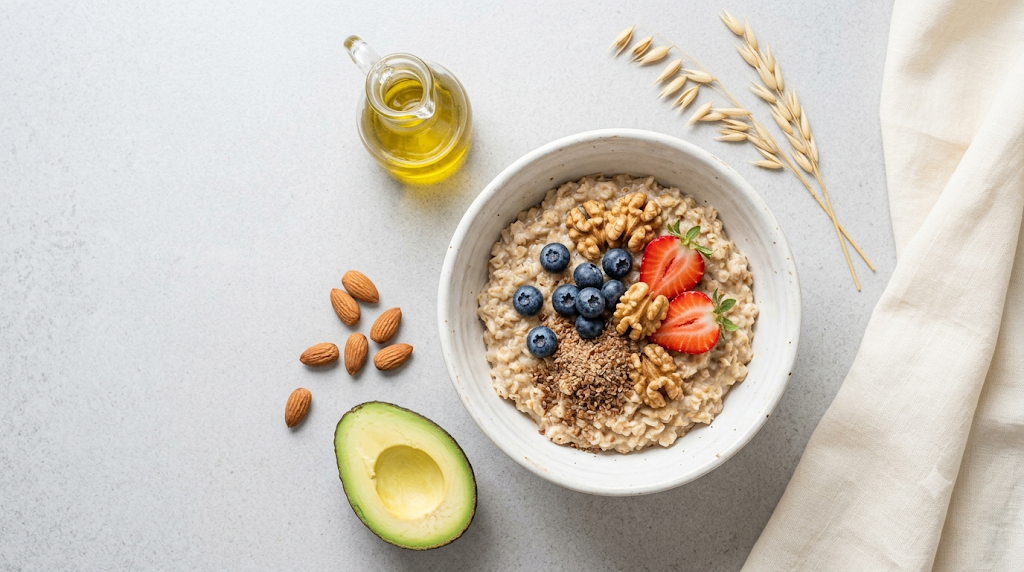
You can lower LDL cholesterol through diet by cutting saturated fat, eating more soluble fiber, and adding plant sterols. Used together, these changes can reduce LDL by 20 percent or more. The American Heart Association recommends keeping saturated fat under 6 percent of daily calories, which is about 13 grams on a 2,000-calorie diet. The National Cholesterol Education Program found that 5 to 10 grams of soluble fiber daily lowers LDL by roughly 5 percent. Published meta-analyses of plant sterol trials show 2 grams daily lowers LDL by 8 to 10 percent. Diet alone will not be enough for everyone. Below are the foods that work, the amounts you need, and what results to expect.
How Much Each Diet Change Lowers LDL
| Change | Daily Target | Expected LDL Drop |
| Cut saturated fat | Under 13 g | Up to 11 percent |
| Soluble fiber | 5 to 10 g | About 5 percent |
| Plant sterols | 2 g | 8 to 10 percent |
| Soy protein and nuts | 50 g and 45 g | Adds a small amount |
Which Foods Lower Cholesterol Most
Focus on swaps rather than restriction. Replacing saturated fat with unsaturated fat works better than simply eating less fat.
- Oats, barley, beans, lentils, apples, and pears for soluble fiber
- Psyllium husk, which delivers fiber in a concentrated dose
- Fortified spreads and yogurts for plant sterols, since whole foods rarely reach 2 grams
- Olive and canola oil in place of butter, lard, and coconut oil
- Almonds and walnuts in place of chips and crackers
- Fatty fish twice a week in place of red meat
What Diet Alone Cannot Fix
Food changes work best alongside regular testing. Genetics set a floor on how low your LDL can go, and some people need medication no matter how well they eat. If a parent or sibling had early heart disease, ask about a full lipid panel and a risk assessment. Ongoing cholesterol management tracks whether your changes are actually moving the numbers.
Final Thoughts
Cutting saturated fat, adding soluble fiber, and using sterol-fortified foods are the three changes with the strongest evidence behind them. Give them three months, then retest. Schedule a lipid panel with Yorktown Health Vernon Hills to see where you stand and build a plan around your results.
