

What Are the Early Warning Signs of Diabetes?
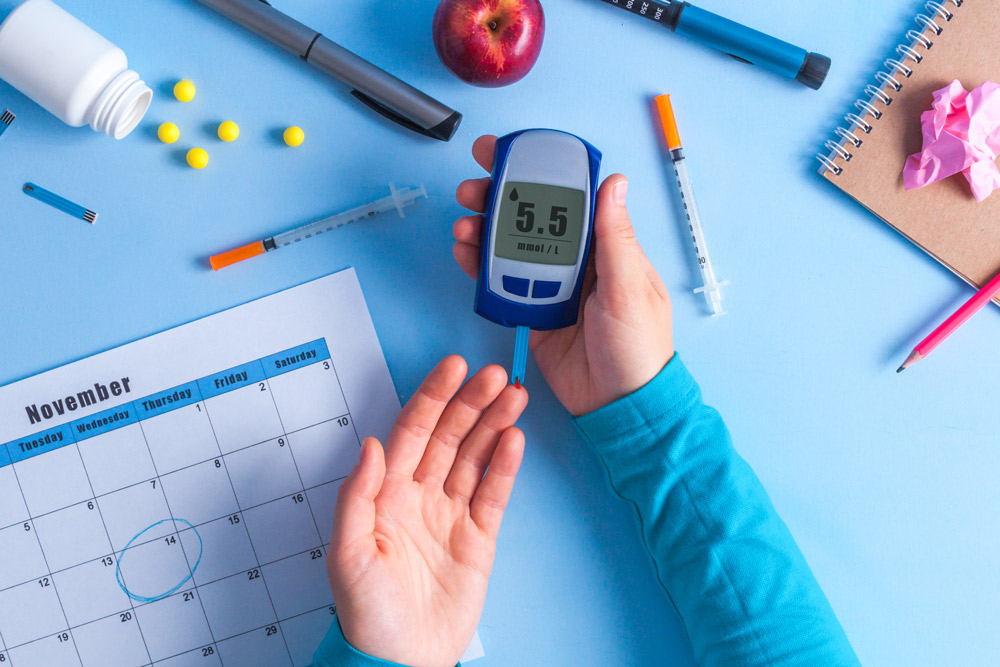
Diabetes shows up with clear warning signs like feeling very thirsty, needing to pee a lot (especially at night), feeling tired all the time, and losing weight without trying. You might also notice blurry vision or cuts that heal slowly. Over 38 million Americans have diabetes, and many don’t even know it yet.
Catching these signs early can change everything. This article walks you through what to watch for and when to see a doctor.
The Most Common Warning Signs
Frequent Urination and Extreme Thirst
This is often the first sign people notice. Your kidneys work hard to filter extra sugar from your blood. When there’s too much, it spills into your urine, pulling water with it.
You’ll find yourself getting up multiple times at night to use the bathroom. All that extra peeing leaves you dried out, so you feel thirsty all day long. Nothing seems to satisfy that thirst.
Constant Fatigue and Weight Loss
You feel exhausted after doing almost nothing. This happens because your cells can’t get energy from the sugar in your blood.
Losing weight without trying is another red flag. Your body starts burning muscle and fat for energy because it can’t use blood sugar properly.
Blurry Vision and Slow Healing
High blood sugar changes fluid levels around your eye lens, making your vision blurry. One day things look clear, the next day everything’s fuzzy.
Small cuts and bruises take forever to heal. High blood sugar slows down your body’s natural healing and affects blood flow.
When to See Your Doctor
Don’t wait until symptoms get worse. Make an appointment if you notice constant thirst, frequent urination, unexplained weight loss, or ongoing fatigue.
Diabetes management works better when you start early. A simple blood test can check your sugar levels and give you answers.
Final Thoughts
Your body gives you clues long before diabetes becomes a major problem. Catching it early means better treatment and fewer complications down the road.
If something feels off, trust that feeling. Schedule an annual physical or visit your healthcare team. A quick check now beats years of problems later.
