
How to Help Your Child With Seasonal Allergies
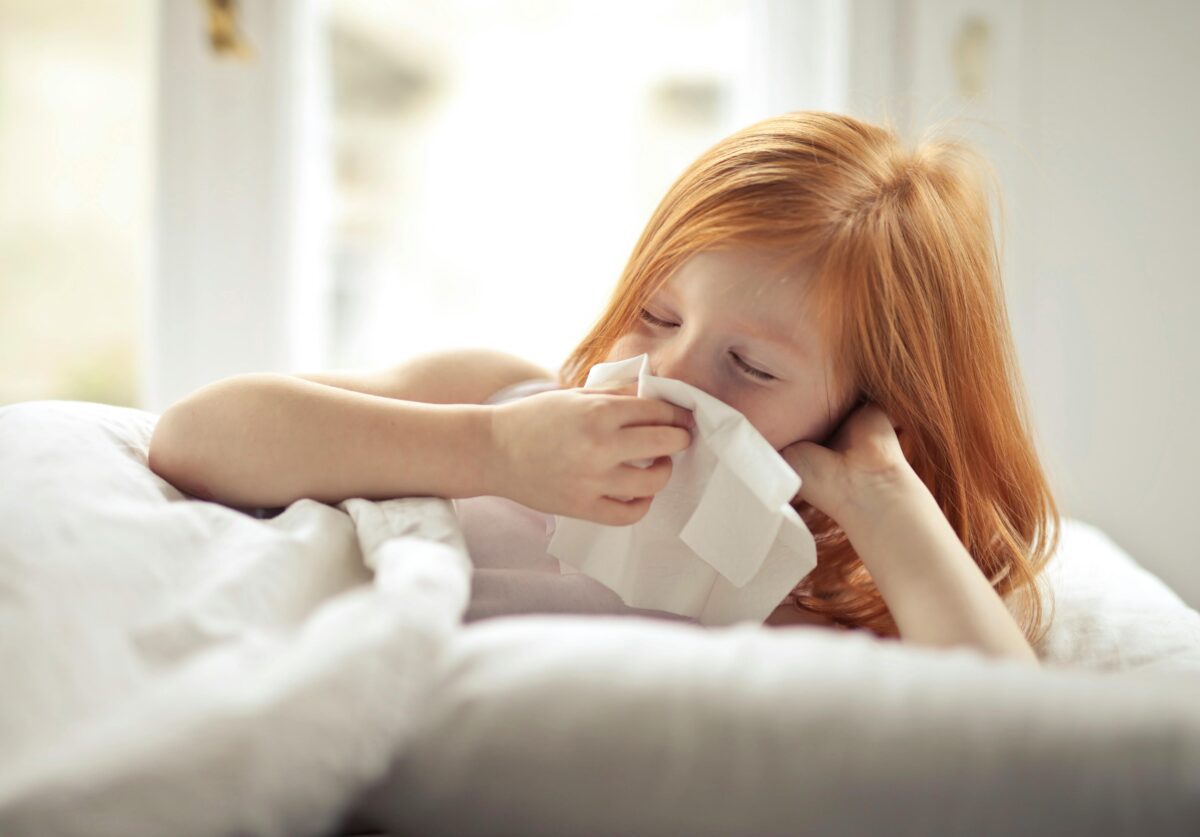
Help your child with seasonal allergies by limiting pollen exposure, rinsing it off the skin and hair daily, and using safe kid-friendly medicines like nasal saline sprays or non-drowsy antihistamines. CDC data from 2024 shows 20.6% of U.S. children have a diagnosed seasonal allergy, so you are not alone.
Spot the Signs Early
Watch for sneezing, a runny nose, itchy or watery eyes, and a tickly throat that show up the same time each year. Allergies itch. Colds do not. A fever usually points to a cold, not pollen.
Cut Down Pollen at Home
Small changes make a big difference. Try these steps each day during allergy season:
- Keep windows shut and run the AC with a clean filter.
- Have your child shower and change clothes after outdoor play.
- Wash bedding weekly in hot water.
- Dry laundry inside, not on a clothesline.
A HEPA air filter in the bedroom also helps. The EPA notes HEPA filters remove 99.97% of airborne particles.
Use Safe Medicines
Talk to your provider before starting any medicine. The American Academy of Pediatrics supports a few easy options:
- Saline nasal spray to wash pollen out.
- Non-drowsy oral antihistamines like cetirizine or loratadine.
- Steroid nasal sprays for daily congestion.
- Allergy eye drops for itchy, red eyes.
Skip Benadryl. It causes drowsiness and is no longer the top pick from pediatric allergists.
When to See a Provider
If symptoms last more than two weeks, interfere with sleep, or trigger asthma, schedule a visit. Our team also handles acute childhood illnesses and well-child exams.
Final Thoughts
Most kids feel better fast with a clean home, the right medicine, and a little help from their doctor. Ready for relief? Contact Yorktown Health Vernon Hills today and let’s get your child breathing easy again.
